A Weekly Craft-and-Play Rhythm for Toddlers at Home
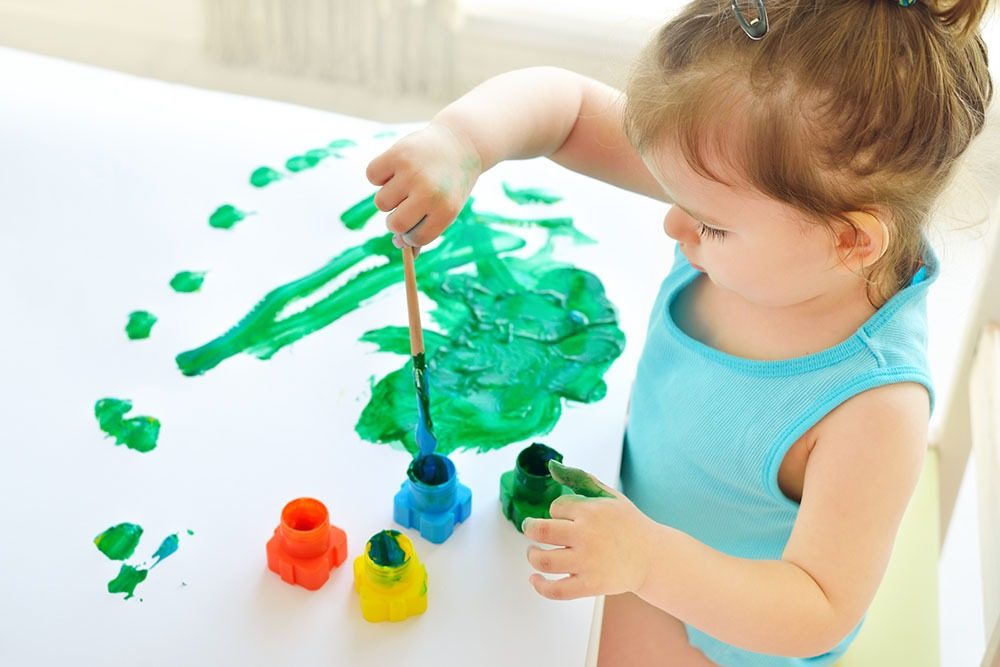
When my oldest was two, I kept saving elaborate toddler activities from the internet and then feeling vaguely defeated by Tuesday, when the rainbow rice was still in the bag and she was happily playing with a cardboard box. What finally worked was embarrassingly simple: a weekly rhythm. Not a schedule with times, just a pattern. Monday is art. Wednesday is something squishy. Friday we build. The activities themselves are tiny and cheap; it is the rhythm that does the magic, because she knows what kind of fun today holds and I never face the blank question of what to do with a toddler at 9 a.m.
A rhythm is not a curriculum. Nobody is assessing your toddler. It is a gentle spine for the week that cuts decision fatigue for you and gives your child the deep comfort of predictability, the same reason the same three bedtime songs work better than new ones. Here is ours, built from dollar-store supplies and ten minutes of setup, maximum.
The Weekly Rhythm at a Glance
- Monday — Art Day: Something that makes a mark: crayons, dot markers, or watercolors on big paper taped to the table
- Tuesday — Helper Day: Your toddler 'helps' with a real job: washing plastic dishes, wiping the table, sorting laundry by color
- Wednesday — Sensory Day: Something to pour, squeeze, or squish: a bin of dry oats with cups, playdough, or water play at the sink
- Thursday — Outside Day: The activity is leaving the house: a stroller walk with a 'find it' list, the library, or puddle and leaf collecting, Minnesota weather permitting and sometimes anyway
- Friday — Build Day: Blocks, boxes, couch cushions, and blankets. Engineering with a snack break
- Weekend — Wildcard: Whatever the family is doing counts. No planned activity, no guilt
Print that list, stick it on the fridge, and you are done planning for the season. When a day goes sideways, and days with toddlers go sideways professionally, you skip to tomorrow without the whole system collapsing, because the rhythm will still be there next week.
Art Day and Sensory Day: The Two Anchors
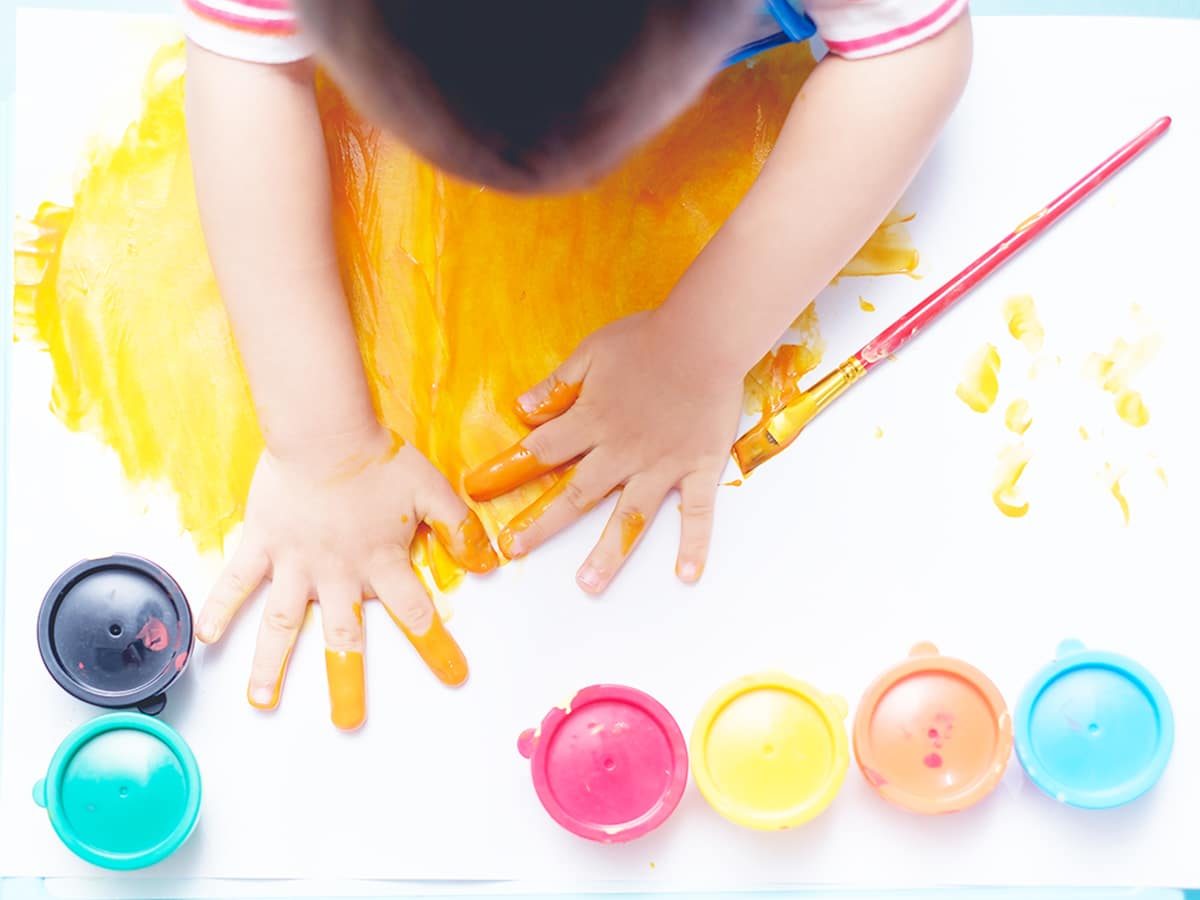
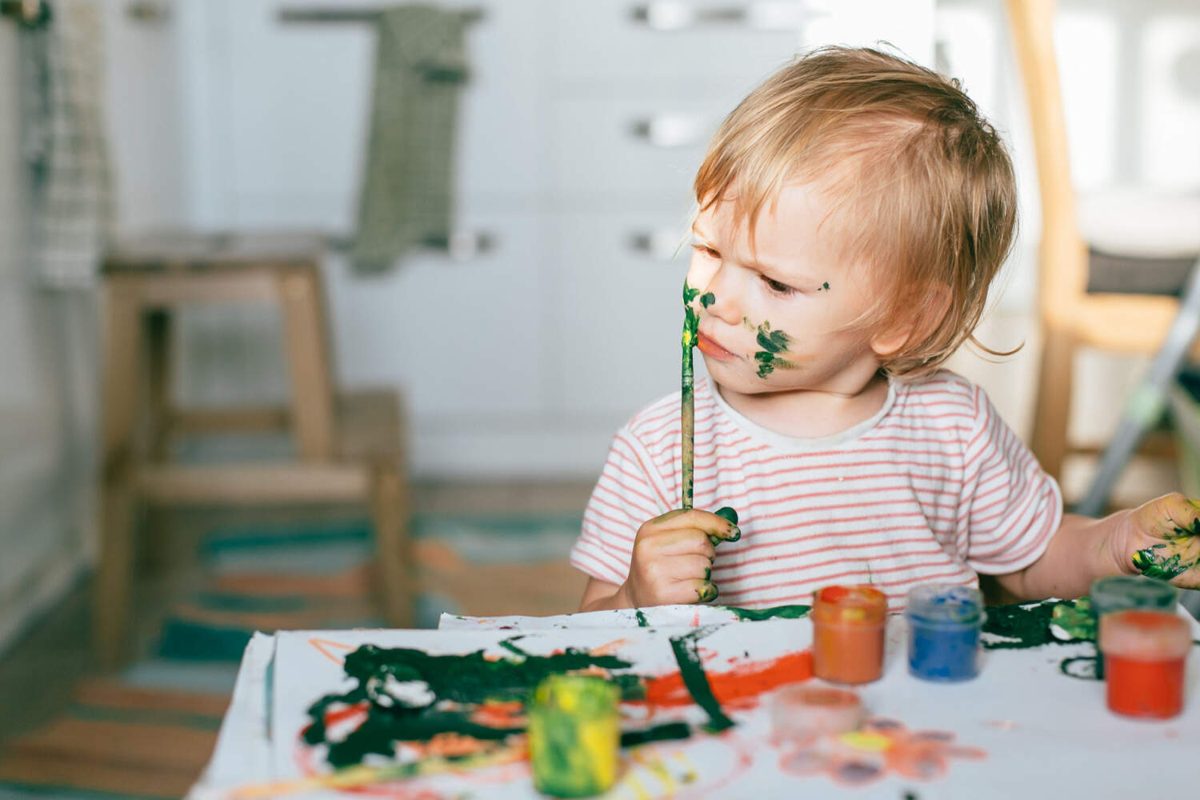
If you only adopt two days, make it these. Art Day needs a roll of cheap paper, washable markers or dot paints, and a smock or an old shirt of Dad's. Tape the paper down so it cannot escape, put out exactly two colors if cleanup worries you, and let masterpieces happen. Process matters, not product: a page of enthusiastic brown scribble is a complete success. Date the keepers, photograph the rest, and recycle without ceremony.
Sensory Day is where toddlers do their deepest work. A plastic bin of dry oats or rice with scoops and funnels buys you a solid half hour, which in toddler time is a feature film. Playdough, homemade or store-bought, with cookie cutters and a plastic knife, is the other staple. Supervise both, as toddlers taste-test the world, and keep sensory bins on a towel or in the empty bathtub for a cleanup that takes one shake into the trash.
The secret to toddler activities is ending while it is still fun. Twenty good minutes beat forty minutes that dissolve into tears, and stopping early is what makes them ask for it again next week.
Helper Day, Outside Day, and Build Day
Helper Day sounds like a trick because it is one, and toddlers fall for it completely. A two-year-old given a spray bottle of plain water and a cloth will 'clean' your baseboards with a focus that shames professionals. Sink play with plastic dishes, sorting socks, and carrying napkins to the table are real contributions at toddler scale, and they feed the fierce independence this age is famous for.
Outside Day keeps the week honest. In summer it is the park or a nature hunt for exactly three things: a stick, a smooth rock, a leaf. In a Minnesota winter it might be fifteen bundled minutes of snow scooping, and that counts fully. Build Day is the cheapest day of all: save your delivery boxes, add painter's tape and cushions, and construct. Knock it down together. Rebuild. The demolition is not a failure of the activity; for many toddlers it is the activity.
Keeping Supplies Cheap and Contained
One small bin is the whole supply closet: paper, dot markers, crayons, playdough, a few scoops, painter's tape, glue stick, and a smock. If it does not fit in the bin, we do not own it. Buy from the dollar store and the grocery aisle, replace what runs out, and resist the themed kits; toddlers cannot tell the difference and your wallet can. Keep the bin somewhere your toddler can see but not reach, so Art Day arriving feels like an event you produce, not a mess they start alone at 6 a.m.
Rotate one 'guest star' item every few weeks. Novelty is the spice, and one new thing at a time is plenty:
- A stamp and a big ink pad for Art Day
- A spray bottle of plain water for Helper Day or a hot afternoon
- Contact paper on the wall, sticky side out, for a collage of tissue paper and leaves
- A flashlight for a Build Day fort, which instantly becomes a cave
When interest in a day fades, swap the day's activity, not the whole rhythm.

Frequently Asked Questions
How long should each activity last?
As long as your toddler is engaged, which at age two is often ten to twenty minutes, and that is a complete success. Set up for quick cleanup, follow their interest rather than the plan, and end while it is going well. The rhythm's job is to offer the opportunity daily, not to fill a quota of minutes.
What if my toddler just throws the sensory bin everywhere?
Then the bin moves to the empty bathtub or outside, the fill gets bigger and harder to scatter, like dry pasta instead of rice, and sessions get shorter. Throwing is also data: it means the activity is above or below their current level. Adjust the material before you abandon the day, and keep a small dustpan nearby so cleanup becomes part of the game.
Do I need to do every day, every week?
No. The rhythm is a menu, not a contract. Busy weeks might hold only Art Day and Outside Day, and that is fine. What matters is the pattern your child can count on over time, not a perfect streak. Many families keep the rhythm only on weekdays at home and let daycare days or weekends run free.