Cleaning with Safer Products: A Room-by-Room Start
The moment that changed how I clean was watching my nine-month-old crawl across the kitchen floor, stop, and thoughtfully lick it. Babies experience the world mouth-first, and the floor I had just mopped with a fragranced cleaner strong enough to make my own eyes water was suddenly on the menu. I did not throw out every product under the sink that day, but I did start a slow, room-by-room switch to simpler cleaners, and our house is exactly as clean as it was before. Here is how to make the same change without turning it into a lifestyle overhaul.
Let me be clear about the goal: this is not about fear, and 'chemical-free' is not a real thing, since water is a chemical and so is vinegar. It is about using the mildest tool that does the job, especially on the surfaces little hands and mouths touch all day, and keeping the heavy-duty products for the few jobs that genuinely need them.
The Three Pantry Staples That Do Most Jobs
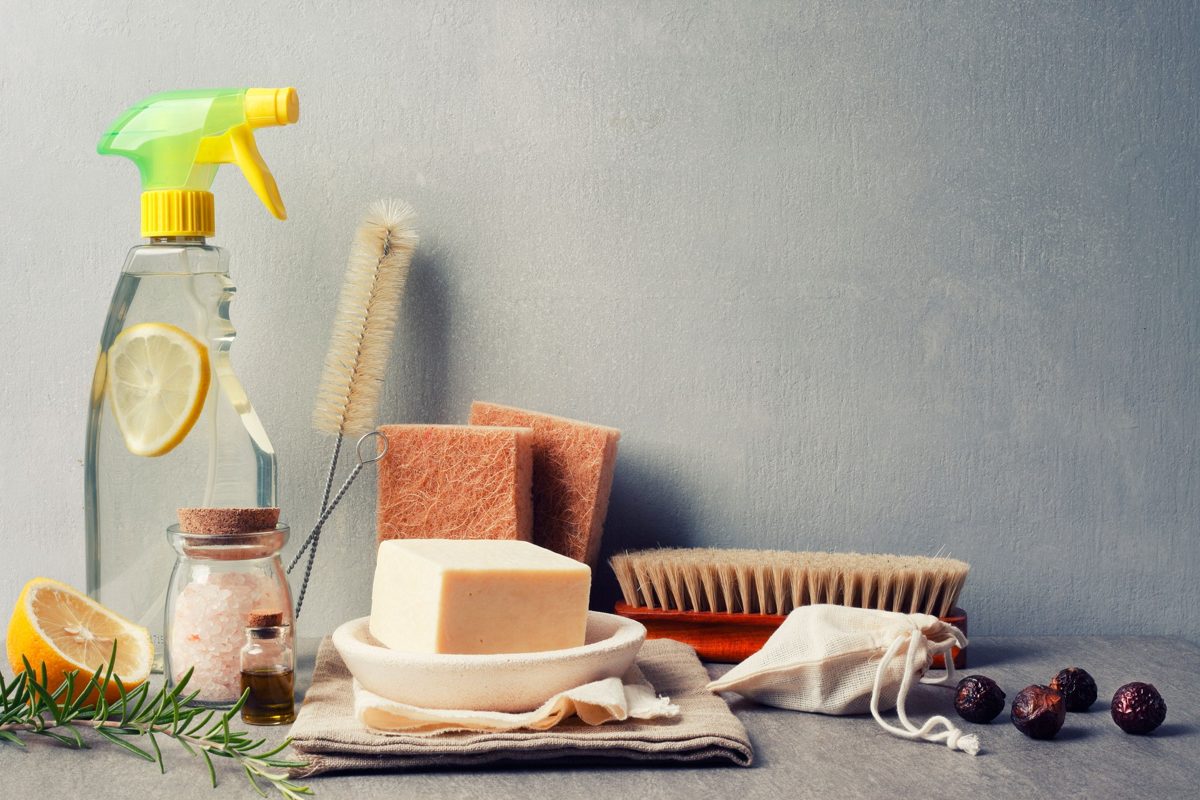
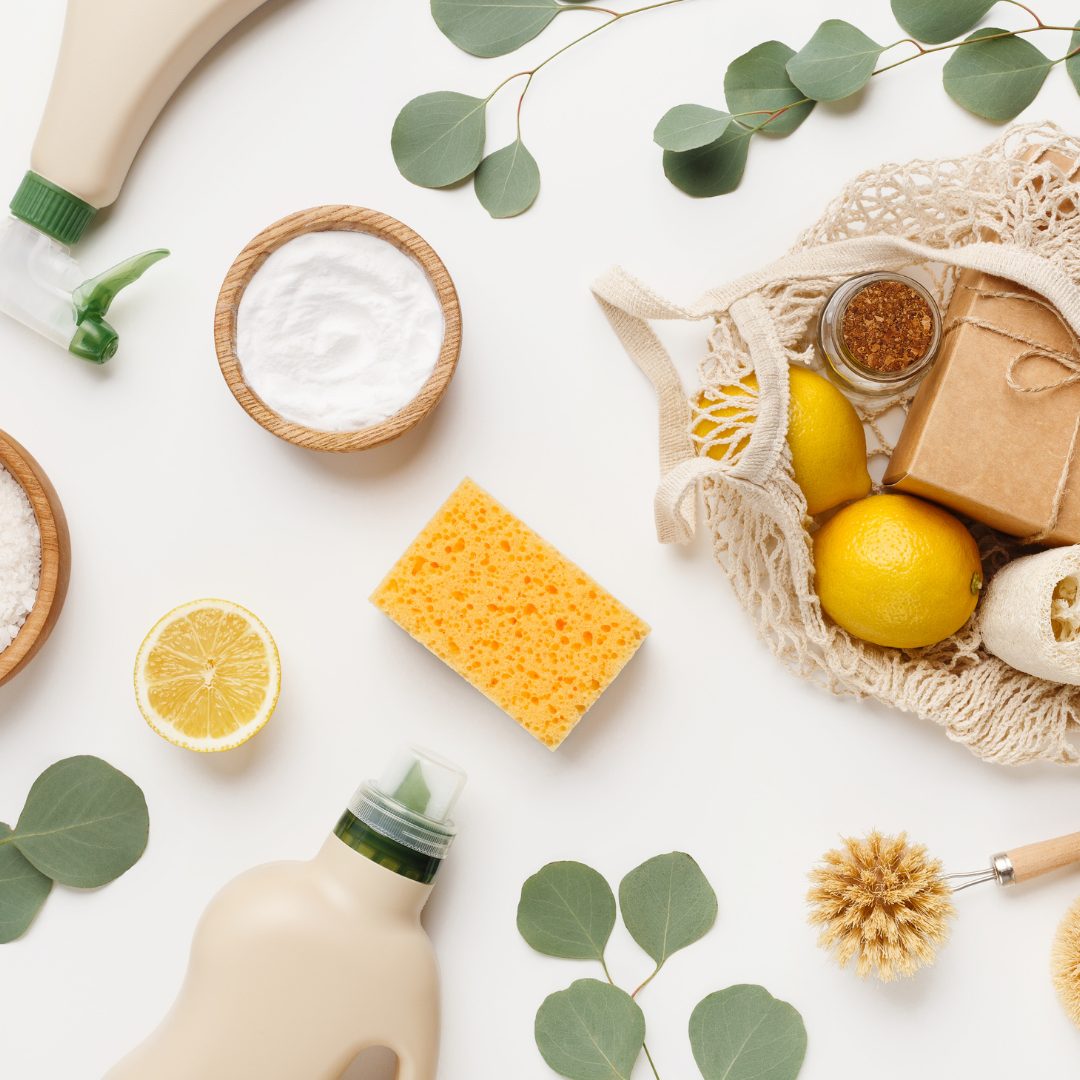
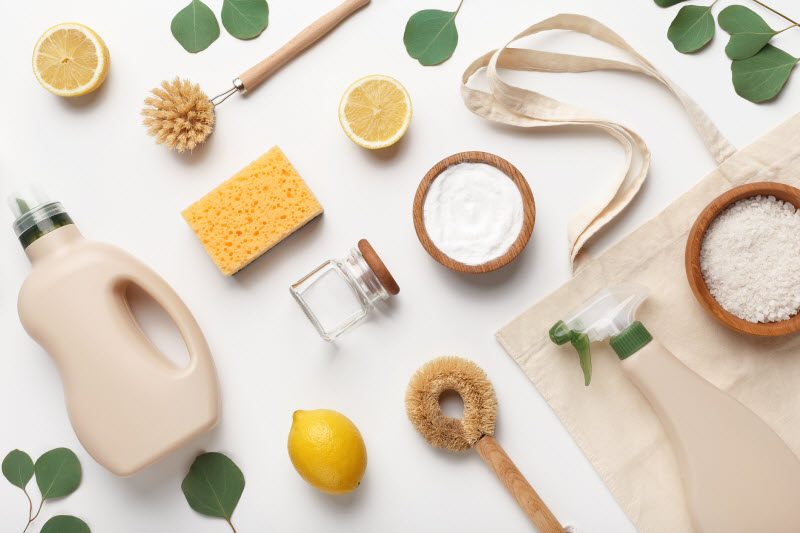
Nearly everything in our house now gets cleaned with three cheap staples: white vinegar, baking soda, and plain dish soap. A spray bottle of half vinegar, half water handles glass, counters, and most daily wipe-downs. Baking soda is a gentle scrub and a serious deodorizer for sinks, tubs, and the fridge. A few drops of dish soap in warm water is the quiet workhorse for floors, walls, and anything greasy. A stack of microfiber cloths, washed hot, does more of the actual work than any liquid in the bottle.
- All-purpose spray: Equal parts white vinegar and water in a spray bottle for counters, glass, and appliances. Skip it on stone counters like granite or marble, where acid can dull the finish; use soapy water there instead
- Scrub paste: Baking soda with just enough water to make a paste, for sinks, tubs, stovetops, and grout lines
- Floor wash: A few drops of dish soap in a bucket of warm water. More soap is not better; it leaves a film that attracts dirt
- Deodorizer: Baking soda sprinkled on carpets or the diaper pail, left fifteen minutes, then vacuumed or dumped
Room by Room: Where to Start
Start where your baby actually lives: the floor of the room they crawl in, the highchair, and the tub. Those three surfaces matter more than every other room combined, and switching them first gives you the benefit while your motivation is fresh.
- Kitchen: Soapy water or vinegar spray for counters and the highchair tray; baking soda paste for the sink. Raw meat messes are the exception: wash, then use your regular disinfecting product and let it sit the full time on the label
- Bathroom: Baking soda paste for the tub and sink, vinegar spray for mirrors and fixtures. Toilet bowls and illness cleanups still get a real disinfectant at our house
- Floors: Vacuum or sweep first, then mop with the dish soap solution. On hardwood, use the water sparingly and dry as you go
- Nursery and playroom: Toys get a bath in warm soapy water, then air dry. Plush toys go through the laundry on gentle. Board books get a wipe with a barely damp cloth
- Laundry: Regular detergent, measured properly, with an extra rinse for baby clothes if you like. Most 'baby' detergents are marketing; thorough rinsing is the real trick
What Still Deserves a Commercial Product
Safer does not mean stubborn. Some jobs call for the strong stuff, and using it correctly is part of a sane system. Disinfecting after a stomach bug has moved through the house, cleaning up after raw meat, and tackling genuine mold in a bathroom are all commercial-product jobs at our house. The difference is that now those products are used occasionally, on purpose, with the windows open and the label actually read, including the contact time, which is the part everyone skips. A disinfectant wiped off instantly is just perfume with ambition.
Whatever you use, homemade or store-bought, store it like it matters: labeled, sealed, and locked or up high. A vinegar spray in an old soda bottle is an accident waiting for a curious toddler, and homemade cleaners are still not drinks.
Safety Rules for Homemade Cleaners
Homemade does not automatically mean harmless, and mixing is where people get hurt. Never mix vinegar or any acid with bleach; the combination creates chlorine gas, which is genuinely dangerous. Never mix bleach with ammonia for the same reason. Those two rules are absolute, no exceptions, no 'just a little.' Label every bottle with what is in it and the date, use food-grade ingredients from the grocery aisle, and make small batches of the vinegar spray monthly so it stays fresh and you always know what is in the bottle.
Ventilate when you clean, keep kids out of the room during the strong jobs, and rinse food-contact surfaces with plain water after cleaning, whatever you used. If anyone in the house has asthma or eczema, introduce changes one product at a time, so if something bothers them you know exactly which change to undo.
Frequently Asked Questions
Does vinegar actually disinfect?
Vinegar is a good cleaner and mildly antimicrobial, but it is not a registered disinfectant and does not reliably kill the viruses behind stomach bugs and flu. Use it happily for daily cleaning, which is mostly about removing dirt and germs physically, and bring out a proper disinfectant, used per its label, for illness cleanups and raw meat. Cleaning first and disinfecting when it counts is the system that works.
How do I clean toys that go in my baby's mouth?
Hard plastic and silicone toys: warm water with a drop of dish soap, scrub, rinse well, and air dry completely. Many can go on the top rack of the dishwasher. Wooden toys get a wipe with a cloth dampened with soapy water or the vinegar spray, then dry; do not soak them. Stuffed animals go through the washing machine inside a pillowcase, then dry fully before returning to duty.
Is this actually cheaper than regular cleaners?
Considerably, at our house. A gallon of vinegar and a big box of baking soda cost a few dollars and cover months of daily cleaning, and one bottle of dish soap now does triple duty. The savings are not life-changing, but the cabinet space might be: we went from a crowded chemistry set under the sink to one small caddy, plus the disinfectant kept for the jobs that need it.