DIY Diaper Cream and Simple Home Remedies Moms Swear By

Every experienced mom I know has a short list of things she makes instead of buys, and diaper cream is at the top of ours. Not because store-bought cream is bad, plenty of it is excellent, but because a simple homemade version costs pennies, contains exactly three things I can pronounce, and has rescued more than one Sunday night when the tube ran dry and the nearest open store was a snowy twenty minutes away. Here is the recipe our family uses, plus the other gentle remedies in regular rotation at our house.
Please read this first: I am a mom sharing what works in our home, not a medical professional, and nothing here is medical advice. Babies' skin is thin and reactive, and rashes have many causes, including infections that no kitchen remedy should touch. When a rash looks angry, spreads, blisters, or just worries you, skip the remedies and call your pediatrician. That is not a failure of natural parenting; that is parenting.
A Simple Three-Ingredient Diaper Cream
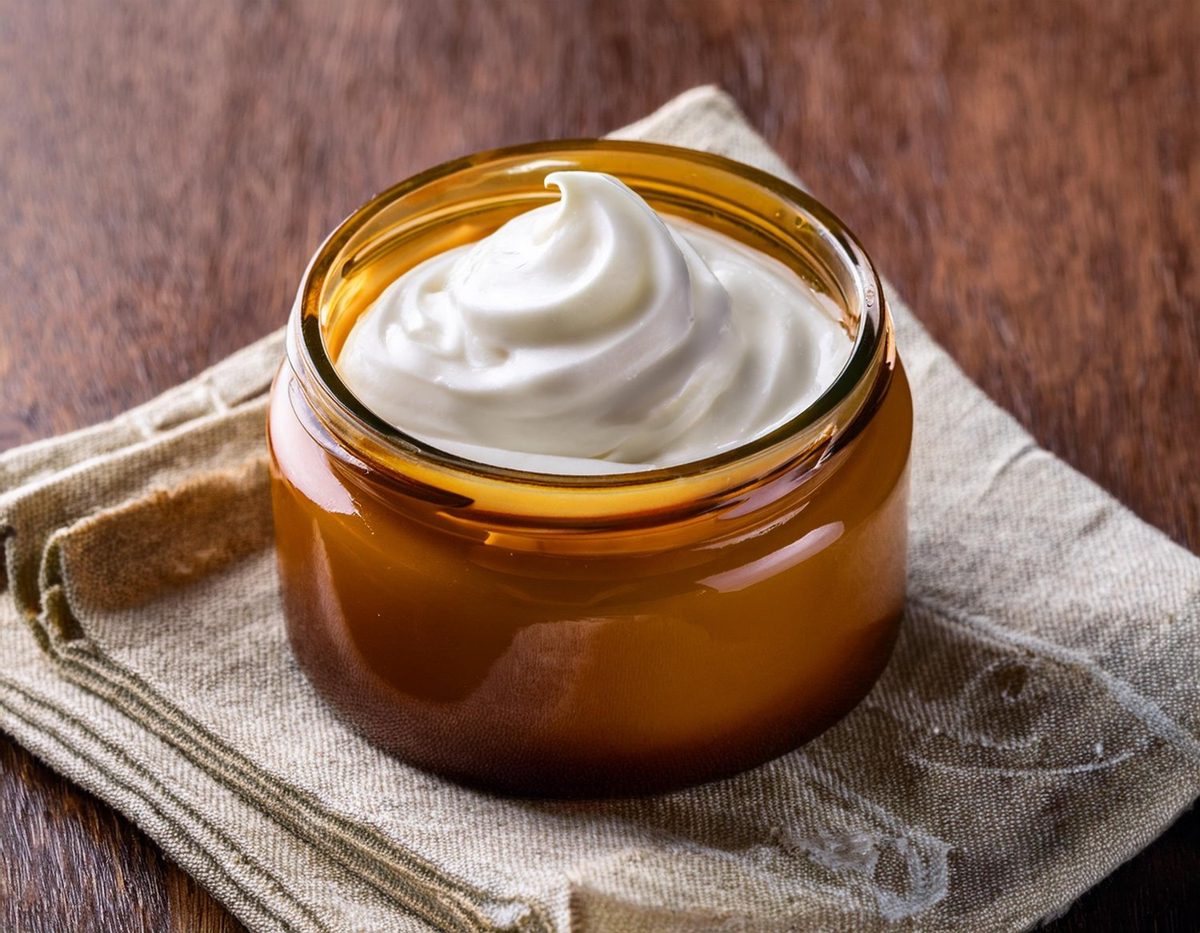
This is a barrier cream: its job is to sit on the skin and keep moisture and irritation away while the skin heals itself. Melt the ingredients gently, stir as it cools so it stays smooth, and store it in a clean, dry jar with a lid.
- 1/2 cup coconut oil, the plain kind from the cooking aisle
- 1/4 cup shea butter, which makes the cream soft and spreadable
- 2 tablespoons non-nano zinc oxide powder, the same protective ingredient in most store-bought creams; add it slowly and stir well, and avoid breathing the dry powder while you mix
- Melt the coconut oil and shea butter together in a double boiler or a heat-safe bowl over simmering water, just until liquid.
- Remove from heat and whisk in the zinc oxide a spoonful at a time until fully blended.
- Pour into a clean glass jar and let it set at room temperature. It firms up as it cools.
- Apply a thin layer at each change on clean, completely dry skin. A little goes a long way.
Use it within about three months, make small batches, and always scoop with clean, dry hands or a small spatula so the jar stays clean. Skip essential oils entirely for babies under three months, and honestly, skip them in diaper cream altogether; the diaper area is sensitive, covered, and warm, which is the worst place to experiment with fragrances.

Other Gentle Remedies Moms Reach For
The least glamorous remedy is the most effective one: air. Ten naked minutes on a towel a few times a day dries irritated skin better than any product, because most diaper rash is fundamentally a moisture problem. Warm water and a soft cloth instead of wipes during a flare helps too, since even gentle wipes can sting broken skin. A plain oatmeal soak, finely ground oats in a lukewarm bath for ten minutes, soothes the whole bottom half and doubles as entertainment.
Change diapers more often than feels reasonable during a rash, every two hours and right after every poop, and size up temporarily if the current diaper is snug; friction is an underrated villain. If you cloth diaper, know that zinc and heavy barrier creams can coat the fabric and cause repelling, so use a disposable liner while you are treating a rash.
Before you try anything new on a rash, do the boring test: a pea-sized amount on a small patch of healthy skin, then wait a day. A remedy that stings or spreads redness on good skin has told you everything you need to know.
Ingredients and Habits to Skip
Not everything in the pantry belongs on a baby. Keep cornstarch off a rash that might be yeast, since yeast can feed on it. Avoid baking soda pastes and vinegar solutions on broken skin; both sting and neither belongs on an open rash. Talc-based powders are out entirely because babies can inhale the dust. And be skeptical of any recipe with a long list of essential oils, no matter how lovely the blog photos are.
Also skip the habit of layering three different products to see which one works. One change at a time, given two or three days, tells you the truth. Three changes at once tells you nothing and irritates everyone.

When a Rash Needs the Doctor, Not the Kitchen
Most diaper rashes are simple irritation and improve within two or three days of barrier cream, air time, and frequent changes. Some are not, and these are the signs to stop home-treating and call your pediatrician promptly:
- Bright red rash in the skin folds with small red bumps spreading outward, which often means yeast and needs prescription treatment
- Blisters, open sores, pus, or a rash that bleeds
- Fever along with the rash, or a baby who seems unwell, unusually fussy, or is feeding poorly
- No improvement after three days of careful home care, or a rash that keeps returning
- Any rash on a baby under two months old that looks more than mildly pink
Bring the products you have been using to the appointment or take photos of them; it genuinely helps the doctor sort out contact irritation from infection. To say it once more, clearly: this article is general information from one mom's kitchen, not medical advice, and your pediatrician is the authority on your baby's skin.
Frequently Asked Questions
Is homemade diaper cream safe for cloth diapers?
Zinc oxide and oils can build up on cloth diapers and make them repel liquid instead of absorbing it. If you cloth diaper, use a disposable or fleece liner as a barrier while using homemade cream, or switch to disposables until the rash clears. If buildup happens, a hot wash with a small amount of dish soap, followed by thorough rinsing, usually restores absorbency.
Can I use plain coconut oil instead of making the cream?
Many moms do, as a light everyday barrier on healthy or mildly pink skin, and it washes out of cloth diapers more easily than zinc creams. For an established rash, though, the zinc oxide is the ingredient doing the heavy protective work, so the full recipe or a store-bought zinc cream will serve you better. Either way, stop and call the doctor if the rash worsens or shows the warning signs above.
How can I tell a yeast rash from a regular diaper rash?
A regular irritation rash usually spares the deep skin folds and improves quickly with barrier cream and air. A yeast rash tends to be bright or beefy red, involves the folds, and often has small red bumps or spots spreading out from the main patch. It also does not improve with regular cream. Only a clinician can diagnose it for certain, and it needs antifungal treatment, so call your pediatrician rather than trying to out-cream it at home.