Back-to-School Readiness: Routines That Start in August
In Minnesota, August runs on two clocks. There is State Fair clock, where days are measured in cheese curds and it stays light forever, and there is the quieter school clock ticking underneath, which nobody in my house wants to hear about until suddenly it is the Sunday before school starts and everyone is feral at 9:40 p.m. After a few chaotic Septembers, I moved our back-to-school reset into August, two unglamorous weeks of small shifts. It is the single best gift I give our family all year. Here is the routine.
The goal is not to end summer early. The goal is to move the hard parts, the sleep shift, the morning practice, the supply chaos, into the cheap weeks when a bad morning costs nothing, instead of the expensive week when it costs a tardy slip and tears in the school parking lot.
Shift Sleep Two Weeks Out
Summer bedtime creep is real: by mid-August my kids were falling asleep near ten and rising like teenagers. School wake-up cannot be negotiated with on the first day, so we walk the whole schedule back gradually, about fifteen minutes every two or three days. Bedtime and wake time move together, and mornings matter more: get them up at the new time even on weekends, open curtains, and get outside light on their faces early, which is easy in a Minnesota August.
- Two weeks out: Bedtime and wake-up shift 15 minutes earlier; breakfast at the school-day time
- Ten days out: Another 15 minutes; screens off an hour before bed, books instead
- One week out: Full school schedule, including the alarm your child will actually use
- The weekend before: Hold the schedule, but make mornings pleasant: pancakes, a bike ride, no lectures
If your child is anxious, keep the shift boring and predictable rather than perfect. A consistent-ish rhythm for ten days beats a flawless plan abandoned by Thursday.

Rebuild the Morning Routine
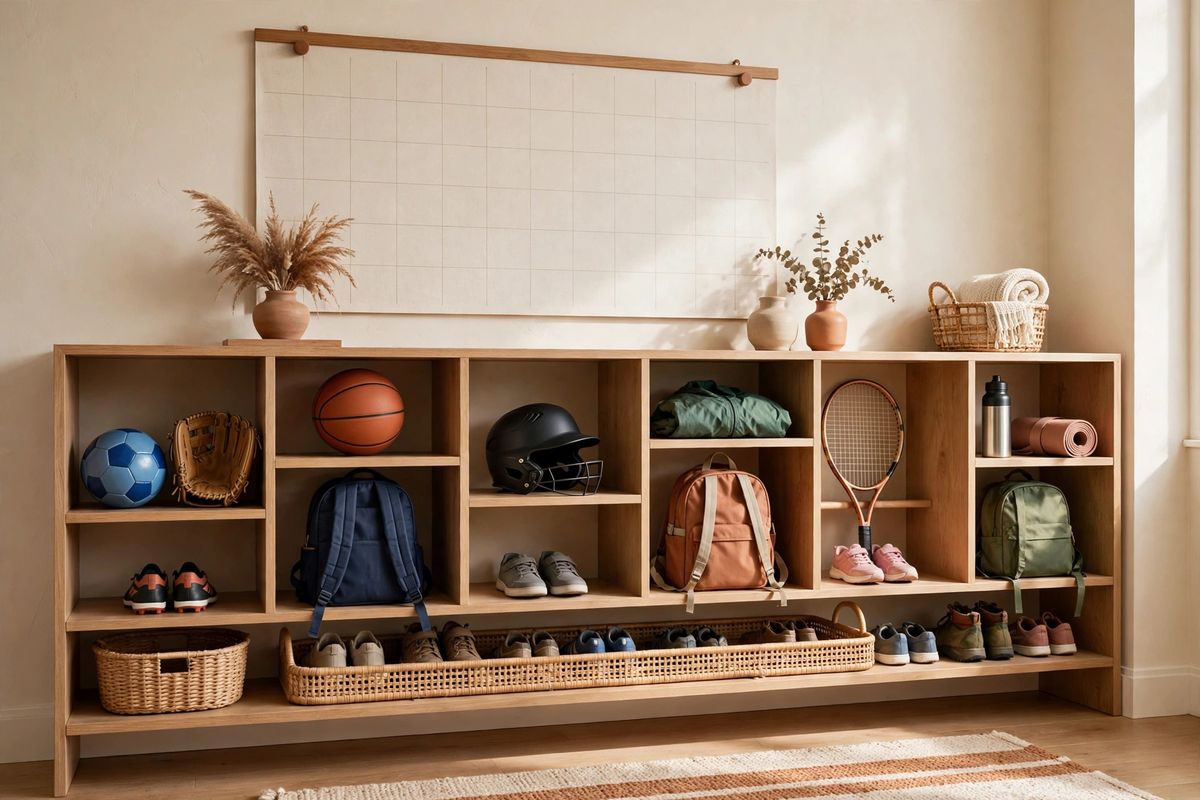
Do two or three full dress rehearsals in the last week of August: wake up, get dressed, eat breakfast, brush teeth, shoes and backpack by the door, all by the time you would need to leave. Time it. You will find your family's bottleneck in exactly one rehearsal; ours was a certain someone who treats choosing socks as a philosophical exercise. Lay out clothes the night before, in a full row including shoes, and put the backpack on a hook at kid height by the door it will actually leave through.
Make a simple picture chart for younger kids: wake, bathroom, dress, eat, brush, shoes, bag. Post it where the morning happens, not in their bedroom. Then step back during rehearsals and let them run the chart themselves. A routine they can execute without you narrating it is a routine that survives your busiest mornings.
Practice the Backpack-and-Lunch System
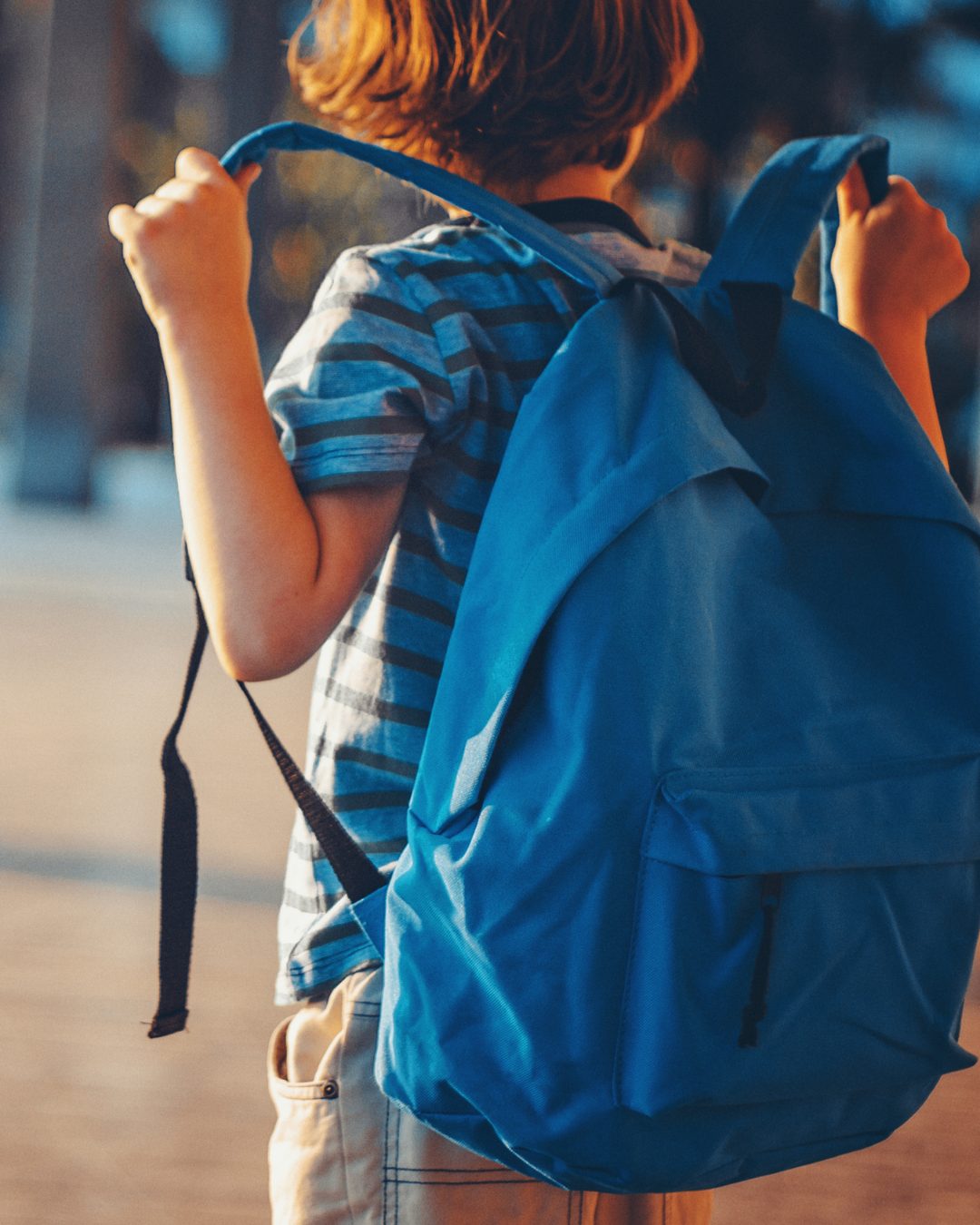
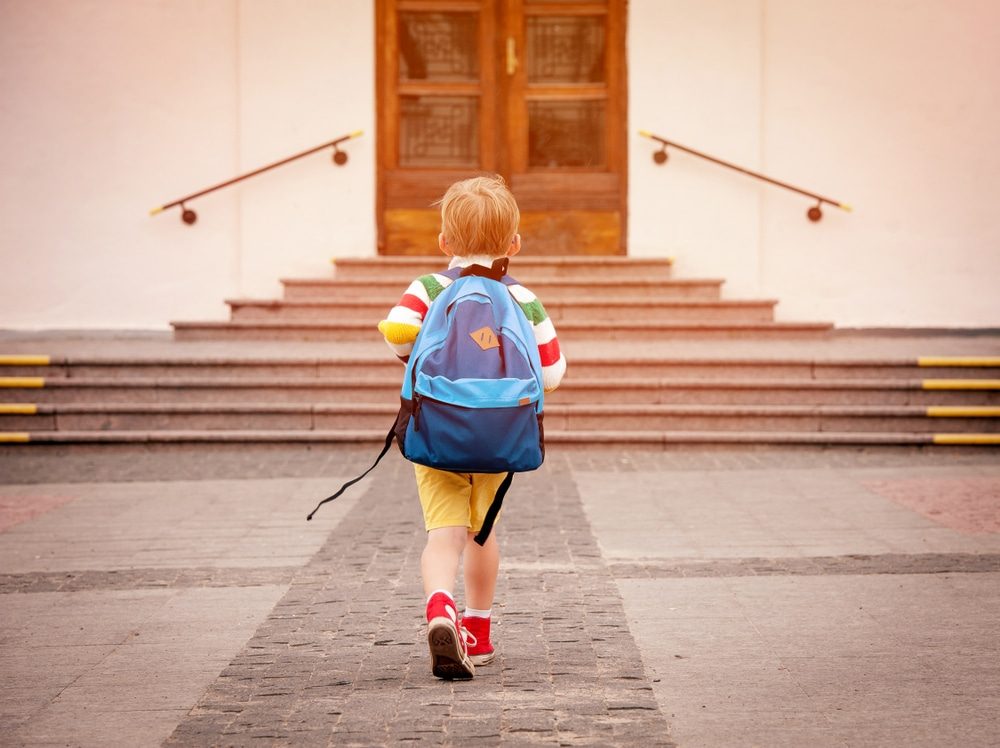
Unpack the new backpack together and set it up like a cockpit: folder for papers home, folder for papers back, a home for the water bottle, a small pouch for lunch money or a note. Then practice the after-school loop a few times: bag on hook, lunchbox to the sink, folder to the counter. Teach it in August and September-you does not have to excavate a fermented permission slip in October.
- Pack lunches the night before as part of the dinner cleanup, with kids choosing from a short posted list
- Freeze what you can: sandwiches, muffins, and fruit cups bought ahead beat a daily scramble
- Keep a school-supply drawer stocked with the mid-year replacements: pencils, glue sticks, one spare notebook
- Label everything that can walk away: jackets, water bottles, lunchboxes, snow gear later
- Charge and stage devices in one spot overnight, not scattered through bedrooms
Buy the duplicate set of school supplies in August, when they are cheap and everywhere, and store it untouched. In February, when the glue sticks vanish and the folders disintegrate, you will feel like a wizard.
The Emotional Side: For Kids and Parents
Underneath the logistics, August carries feelings. Kids worry about teachers, friends who moved, and whether anyone will sit with them at lunch. Parents worry about all of it plus the forms. Make room for the worries without trying to solve them all in the car. Name what is known and good: the school is the same building, the library still exists, the first week is short. If your school offers an open house or a chance to drop supplies and meet the teacher, go. Walking the hallway once in calm August air defuses a remarkable amount of September dread.
And be gentle with your own transition. The start of school reorganizes a parent's whole day, and it is normal to feel both relieved and oddly sad at the bus stop. Build one small thing for yourself into the first week, a coffee with a friend or a quiet morning, and let that be part of the routine too.
Frequently Asked Questions
When should we start shifting bedtime back?
About two weeks before the first day works for most kids. Move bedtime and wake-up earlier by fifteen minutes every two or three days, and prioritize the morning: waking at the school time, with daylight and breakfast, resets the body clock faster than an early bedtime alone. Toddlers and kids starting kindergarten may need the full two weeks; teens often need three.
What if my child is anxious about school starting?
Listen more than you reassure. Ask what part feels biggest, practice the concrete pieces like the bus stop, the classroom visit, and where the bathrooms are, and keep your own stories positive and brief. If anxiety is intense, lasts beyond the first few weeks, or includes physical symptoms most mornings, talk with the school counselor and your pediatrician; support early is far easier than support late.
How much should kids pack their own bags and lunches?
More than you think, earlier than you think. Kindergartners can carry their bag to its hook and put their lunchbox by the sink. By third or fourth grade, most kids can pack a full lunch from a posted list and load their own backpack with a quick parent check. Practice in August so the skill is automatic when mornings get real.