Cold and Flu Season: Keeping the Whole Family Healthy

Every Minnesota parent knows the sound: the first cough echoing down the school hallway in October, right around the first hard frost. By February, our house has usually hosted at least two colds, one mysterious twenty-four-hour fever, and a stomach bug that arrived the night before a long weekend, because of course it did. You cannot bubble-wrap a family through cold and flu season, but you can absolutely make your house a harder place for germs to settle and an easier place to be sick. Here is the system we use.
Important: I am a mom, not a medical professional, and nothing in this article is medical advice. Dosing, vaccines, and treatment decisions belong with your pediatrician or family doctor, and when you are unsure whether a symptom is serious, call them or an urgent care nurse line. That call is always allowed, even at 3 a.m.
Everyday Habits That Actually Move the Needle
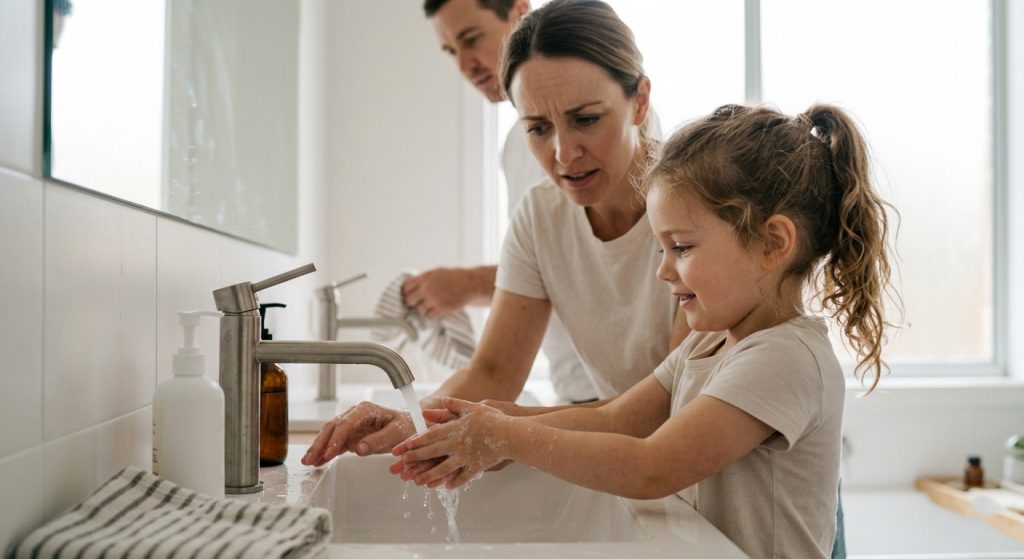
The boring basics do most of the work. Handwashing is the single most effective habit a family can build, and the trick is attaching it to moments that already happen: walking in the door, before eating, after the bathroom, after blowing a nose. Teach kids to scrub with soap for a full twenty seconds, about two rounds of the happy birthday song, and make the soap the fun foaming kind if that is what it takes.
- Wash on arrival: Hands get washed when we come home, before any snack, every time
- Cough into elbows, and toss tissues immediately instead of leaving them on the couch
- Keep hands off faces as much as small humans allow; it is a practice, not a perfection
- Sleep is medicine before the fact: well-rested kids fight off more, so guard bedtimes in winter
- Air the house out briefly on milder days, and run a humidifier in bedrooms during the driest weeks
- Wipe the high-touch spots weekly: doorknobs, light switches, faucet handles, the fridge door
Flu shots for the whole family each fall are part of our routine, and I recommend talking with your doctor about what is right for yours. Vaccination decisions are personal and medical, which is exactly why they belong in that conversation and not in an article on the internet.

Stock the Medicine Cabinet Before You Need It
The worst time to discover you are out of children's fever reducer is 11 p.m. in a snowstorm. Every September, I do one stocking run so the cabinet is ready before the season starts. Check expiration dates on last year's bottles while you are at it; half of ours are usually expired.
- Children's pain and fever reducer in the form your child takes easiest, plus a clean dosing syringe
- A reliable thermometer and a spare, because thermometers die at the worst moments
- Saline spray or drops and a bulb syringe for stuffed-up little noses
- Honey for coughs for children over one year old, and throat-soothing pops for older kids
- Oral rehydration drinks or freezer pops for stomach bugs and low appetites
- Tissues with lotion, lip balm, and a small trash can that lives beside the couch sick-nest
- Your pediatrician's number and the after-hours nurse line, saved in your phone now, not searched later
Always follow the dosing on the package or your doctor's instructions for your child's weight and age, and never give adult medicine cut down by guesswork. When in doubt, the pharmacist is a wonderful, free, underused resource.
When Someone Gets Sick Anyway
Despite everything, someone will get sick, usually the child with the most important week of the school year. When it happens, shift into comfort mode: rest, fluids in whatever form they will accept, and a low bar for what the day must contain. Set up a sick nest with a blanket, water, tissues, and a bucket nearby for stomach bugs, and wash your own hands like it is your job, because right now it is.
Do not share cups, utensils, or toothbrushes during an illness, and swap out toothbrushes after strep or a stomach bug. It is a small, cheap reset that keeps one illness from becoming a family relay race.
Keep the sick child home from school or daycare according to their rules, generally until fever-free for twenty-four hours without fever medicine. It protects other families and, honestly, it protects yours too, because a child sent back too early often returns home with the next germ in the series.
When to Call the Doctor
Most colds are miserable but harmless, and they resolve in seven to ten days no matter what we do. But some signs mean it is time to stop home-treating and get medical eyes on your child. Call your pediatrician, urgent care, or seek care promptly if you see:
- Trouble breathing: fast breathing, ribs showing with each breath, wheezing, or lips looking pale or blue
- Signs of dehydration: no wet diapers or bathroom trips for many hours, no tears, unusual sleepiness
- A fever in a baby under three months, any fever that lasts more than a few days, or a fever that returns after going away
- A child who is hard to wake, unusually irritable, or simply seems much sicker than a normal cold explains
- Ear pain, a stiff neck, a spreading rash, or vomiting that will not let fluids stay down
You know your child's normal. If something feels off beyond the usual cold script, trust that instinct and call. This article is general information only and is not medical advice; your child's doctor, who knows their history, is always the right next step.

Frequently Asked Questions
How do I tell a cold from the flu?
Colds usually creep in: a scratchy throat, a runny nose, mild tiredness. Flu tends to hit like a truck, with sudden fever, body aches, headache, and real exhaustion. Either way, the home care is similar, but flu in young children deserves a call to the pediatrician early, because antiviral medicine works best when started quickly. When you are unsure, describe the symptoms to the nurse line and let them guide you.
Should I rotate fever medicines or combine them?
That is a question for your pediatrician or pharmacist, full stop. Dosing depends on your child's exact weight and age, some products should never be combined, and aspirin must never be given to children. Keep a simple log on the fridge of what you gave and when; in a tired household, that scrap of paper prevents most dosing mistakes.
How long is my child contagious?
As a rough pattern, colds spread most in the first two to three days of symptoms, and flu can spread from about a day before symptoms start through five to seven days after. Follow your school or daycare's return rules, keep the handwashing fierce at home, and remember that 'feeling better' and 'no longer contagious' are cousins, not twins.