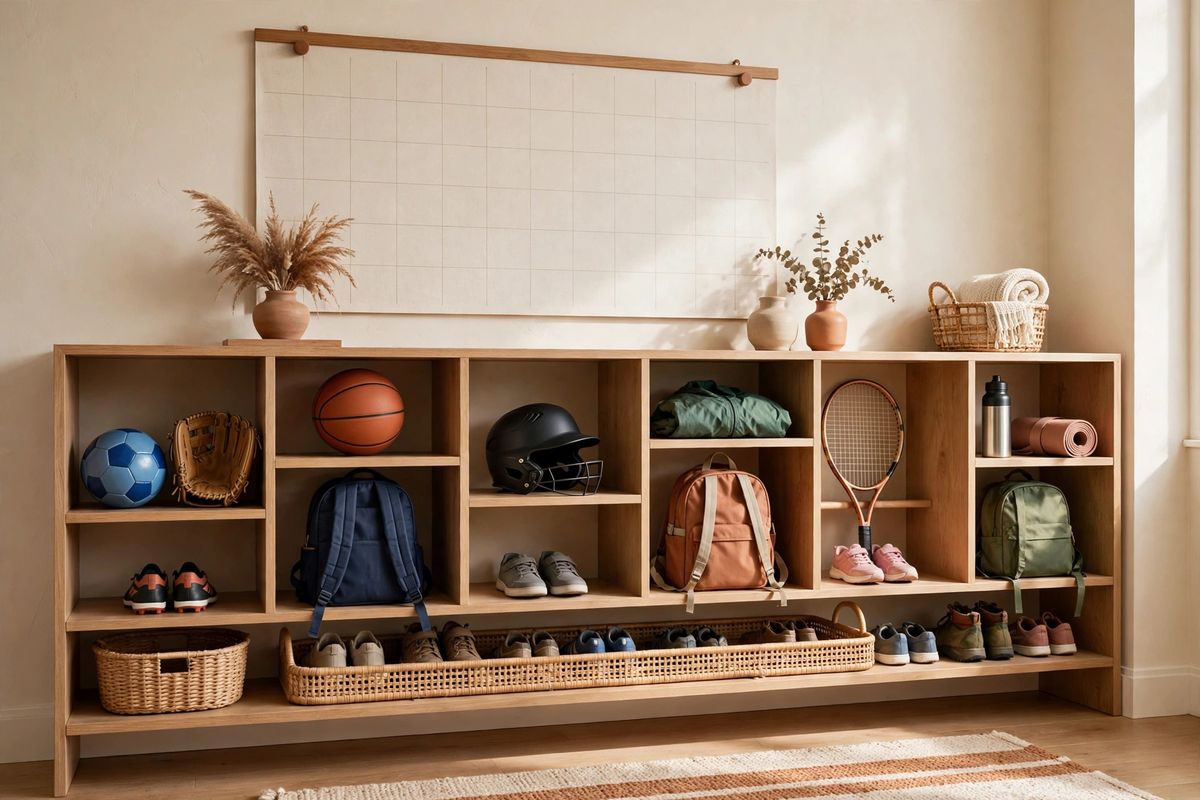
Breaking the Co-Sleeping Habit — Gently
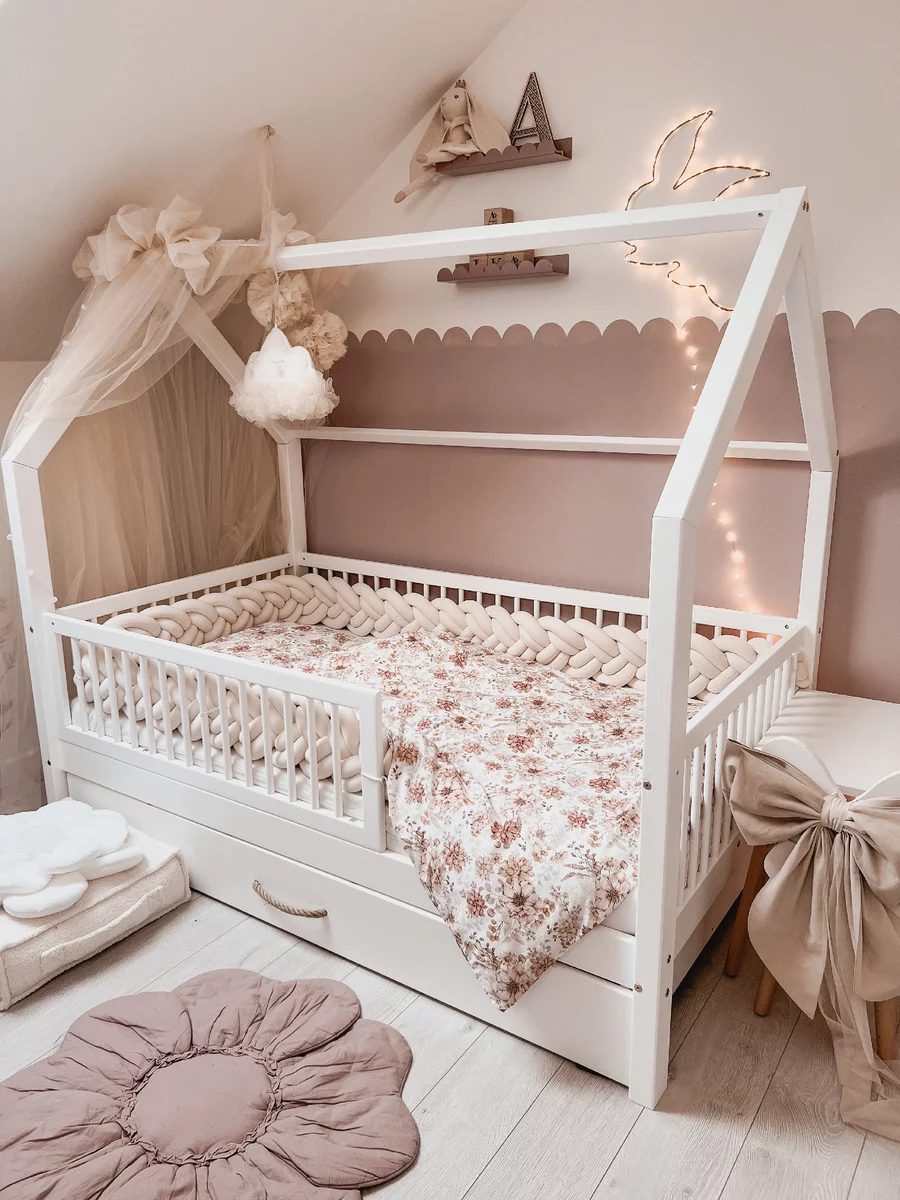
Our youngest slept in our bed for two and a half years, and I will be honest: for a long stretch of Minnesota winter, with a baby who nursed at night and a furnace that never quite caught up, it was the arrangement that let everyone sleep. Then she turned into a starfish. A warm, beloved, sideways starfish with opinions, who somehow occupied ninety percent of a king bed. We wanted our bed back, but we wanted the move to feel gentle, not like an eviction. Here is the gradual plan that worked for us.
A quick note before we start: safe sleep guidance matters, and babies under one belong on their own sleep surface. This guide is about toddlers and preschoolers who have been sharing a family bed and are old enough to move, and about making that transition kindly and at a pace a small heart can handle.
Start With Why, and Say It Out Loud
Kids handle change far better when it is narrated. A week before we moved our daughter, we started talking about it in daylight, in cheerful, boring tones: soon she would sleep in her own bed like her brother, in her own room, with her own blankets. We read books about kids sleeping in big-kid beds. We let her pick new sheets. None of this was a negotiation; it was weather reporting. This is what is coming, and it is going to be fine.
Choose your start date with some strategy. Avoid the week of a new sibling, a move, starting preschool, or a household illness. A plain, ordinary week in the middle of a calm season gives the transition its best chance. Tell the other adults in the house the plan, because a grandparent who rescues at 1 a.m. with the family bed can undo a week of progress in one night.
Make Their Sleep Space Worth Moving To
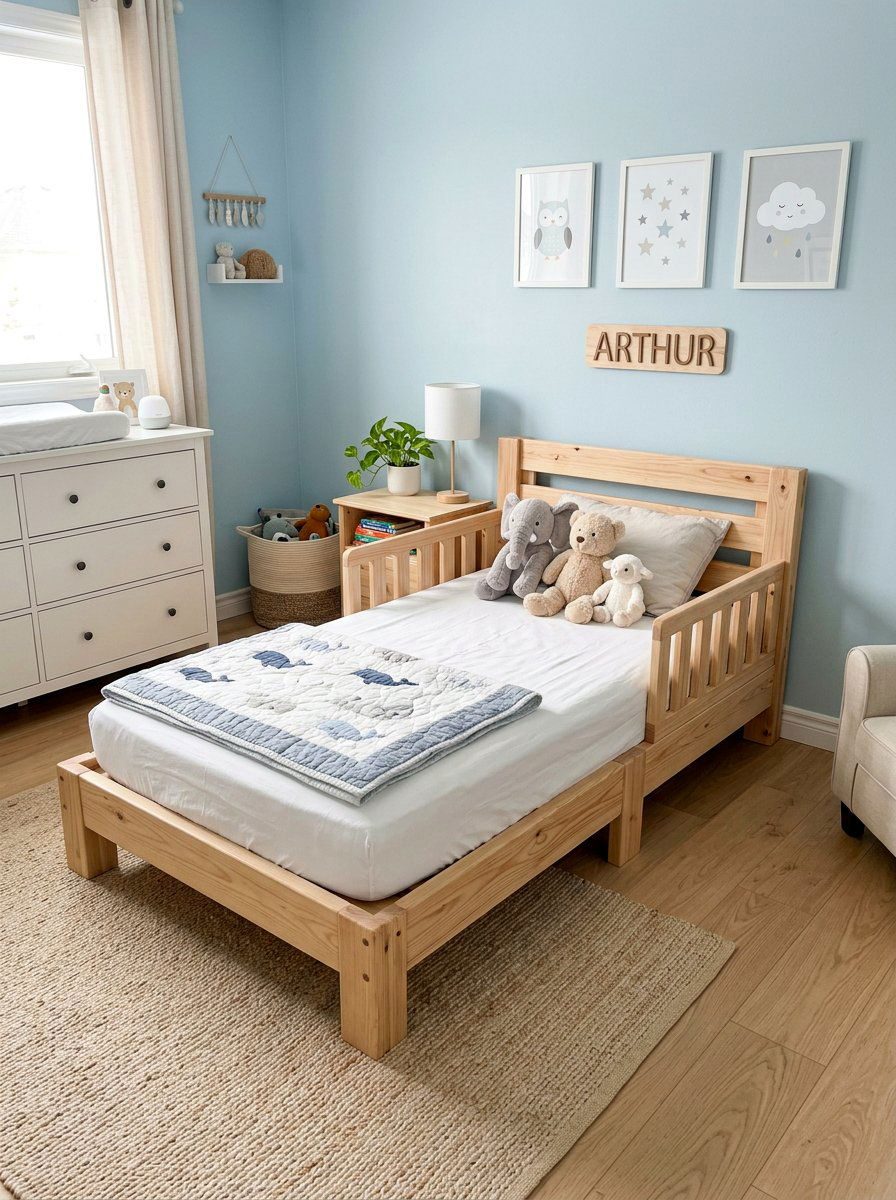
Their new bed has to compete with the warmest, coziest spot in the house, which is you. It will never fully win, but it can become genuinely appealing. Let your child choose the bedding and one special stuffed animal that lives only in that bed. A small night-light in a warm color, a sippy cup of water on the nightstand, and a stack of board books covers the most common midnight requests before they happen.
- Let them choose sheets, a pillow, and one bedtime-only stuffed friend
- Add a warm night-light and a clear, lit path to your room and the bathroom
- Stock the nightstand: water, tissues, and two books for early mornings
- Practice in daylight: read stories and play in the bed so it feels familiar, not new
- Keep your bed boring during the transition: no special snacks or shows in it
The Gradual Move, Step by Step
We used the chair method, the slowest and softest of the standard approaches, and it took about two weeks. Adjust the pace to your child; the steps matter more than the speed.
- Nights 1–3: Do the whole bedtime routine in their room, then sit in a chair right beside the bed until they fall asleep. Minimal talking. Boring is the goal.
- Nights 4–6: Move the chair halfway to the door. Same quiet presence, a little less of it.
- Nights 7–9: Chair by the door. A calm goodnight, then quiet sitting until sleep.
- Nights 10+: Say goodnight and leave, with promised check-ins: 'I will come peek in ten minutes.' Keep the promise, and stretch the interval as they settle.
- For night wakings: Walk them back, tuck in, one short phrase, and resume whatever stage you are on. No restarting the whole evening.
The secret ingredient is not a technique. It is being so predictable that your child stops testing whether tonight might be different. Boring, repeated, identical nights are what teach a small brain that the new way is simply the way.
Staying Consistent Without the 2 A.M. Drama
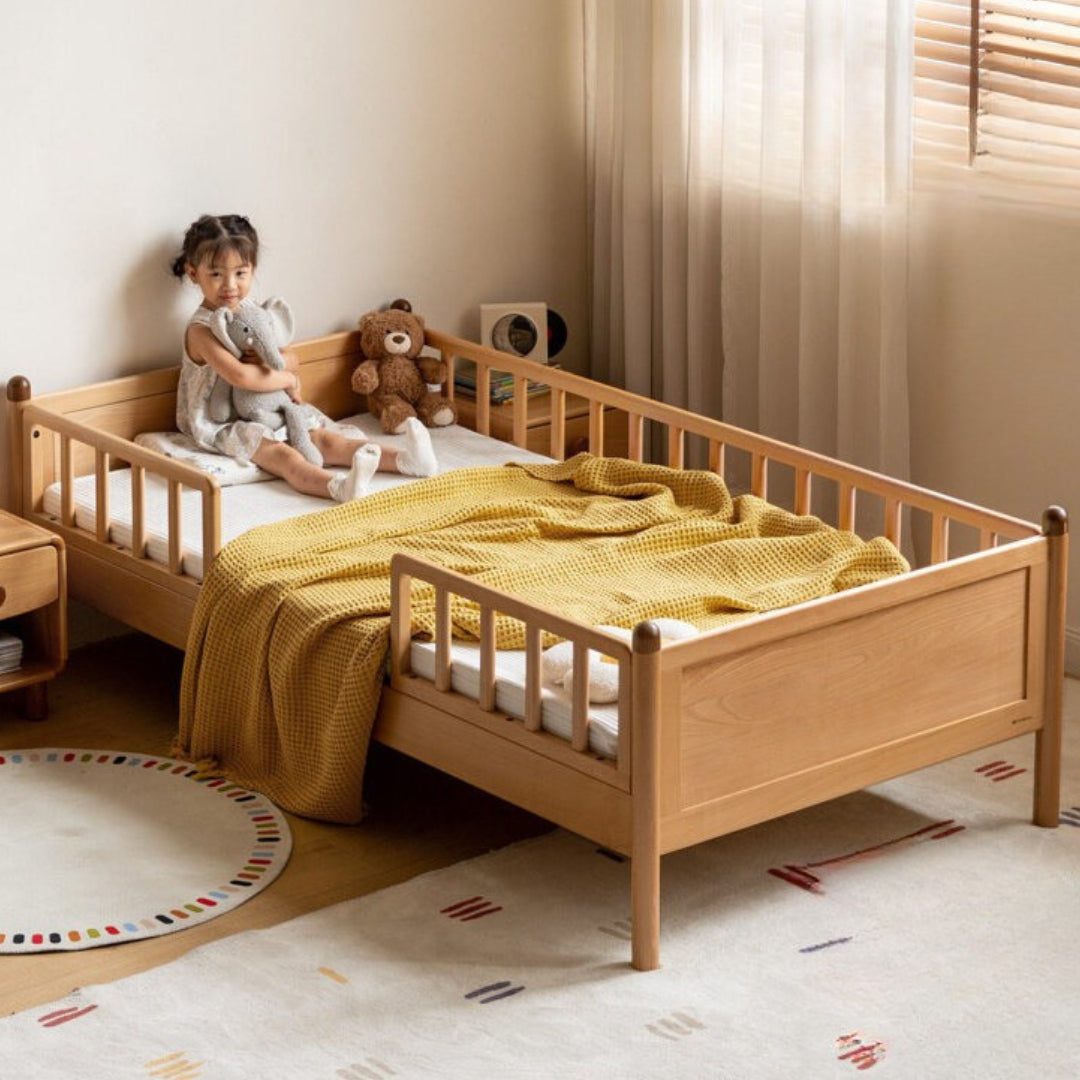
There will be a night, usually night three or four, when your child appears at your bedside at 2 a.m. with the negotiating skills of a tiny attorney. Decide in advance, with your partner, exactly what happens then, because nobody makes good policy at 2 a.m. Our rule: one parent walks her back, tucks her in with the same short phrase, and stays only as long as the current stage allows. No moving to our bed 'just for tonight,' because 'just tonight' is a lesson too, and it is the one that sticks.
If your child is genuinely ill, frightened by a storm, or having a rough patch, flex like a human. One night of comfort during a thunderstorm does not erase the habit; you simply return to the plan the next night without commentary. Consistency across weeks beats perfection across days.
Expect a Bumpy First Two Weeks
Most families see the hardest nights in the first week, a suspiciously great night or two, then one regression right when you relax. That pattern is normal enough to have a name in our house: the last stand. After it, most kids settle into the new routine and many start sleeping more deeply than they did in the family bed, because nobody is kicking them in the ribs anymore. Within a month, our starfish was sprawling across her own bed, sideways, exactly as nature intended.

Frequently Asked Questions
What age is right to move a child out of the family bed?
There is no single correct age. Many families make the move somewhere between two and four, when a child can understand the routine, communicate needs, and stay safely in a bed. Readiness signs matter more than birthdays: your child can follow a simple bedtime routine, understands 'your bed,' and is not in the middle of another big transition.
What if my child screams or cries at bedtime?
Some protest is normal, and the gradual method is designed to keep it mild. Stay calm, stay nearby per your stage, and keep your words few and warm. If crying escalates night after night instead of easing, slow the steps down rather than abandoning the plan, and check the basics: is the room too dark, too quiet, or is bedtime simply too early for their current nap schedule?
Can siblings share a room during the transition?
Often, yes, and it can even help: a calm older sibling is living proof that sleeping in your own bed is survivable and even pleasant. Stagger bedtimes by twenty minutes so the new sleeper gets your full routine first, and give the older child a book and a reading light for the overlap.