Valentine's Day for Families: Cards, Treats, and Classroom Rules
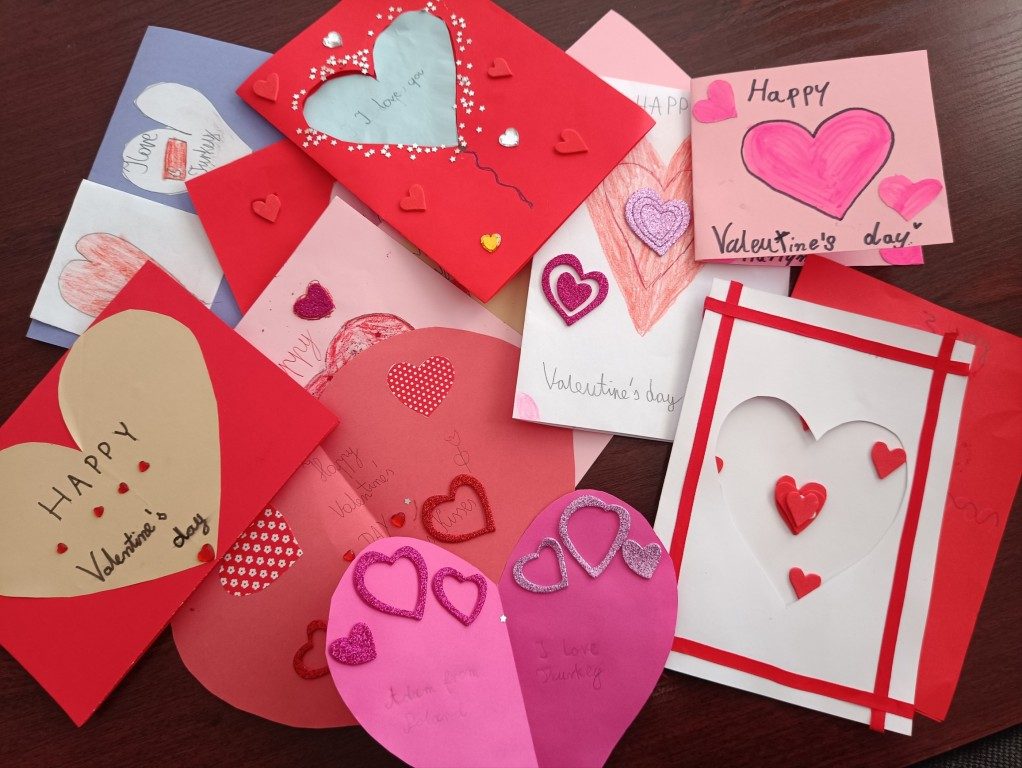
Valentine's Day snuck up on me one February when my son announced, the night before his class party, that he needed cards for twenty-three classmates and that his teacher had sent home rules. Rules! There was a list about candy, a note about allergies, and a reminder that every child in the class gets a card, no exceptions. I was up until eleven with construction paper and a glue stick, and I swore I would never be caught off guard again.
Valentine's Day with kids is really two small holidays: the classroom exchange, which runs on the school's rules, and your own family celebration, which can be as simple as you want. Here is how we handle both in our house now, without the night-before panic.
Classroom Rules: Candy, Allergies, and Inclusion
Most Minnesota schools send home guidance in early February, and it is worth actually reading. Many classrooms are now food-free for parties because of allergies, and others allow treats only if they are store-bought with ingredient labels. A homemade brownie, however delicious, often cannot be served at school at all.
- Check the allergy note: Peanut and tree nut allergies are the most common reason for restrictions, but some classes also limit dairy, eggs, or red dye. When in doubt, skip food entirely.
- Every child gets a card: This is the near-universal rule. Send cards for the whole class list, or send none at all. Teachers are serious about this one, and rightly so.
- To/from only: Address cards from your child, not to specific classmates. It speeds up delivery enormously and prevents hurt feelings when a name is missed.
- Non-candy is always safe: Pencils, stickers, erasers, temporary tattoos, and bookmarks pass every classroom rule we have ever met and cost about the same as candy.
- Ask about the box: Many classes decorate a Valentine box or bag at school. If your child needs one from home, a cereal box and wrapping paper work fine.
If treats are allowed, individually wrapped options in the $5 to $10 range for a whole class bag are the practical choice. Save the special baking for home, where you know exactly who is eating what.
DIY Cards Kids Can Actually Make
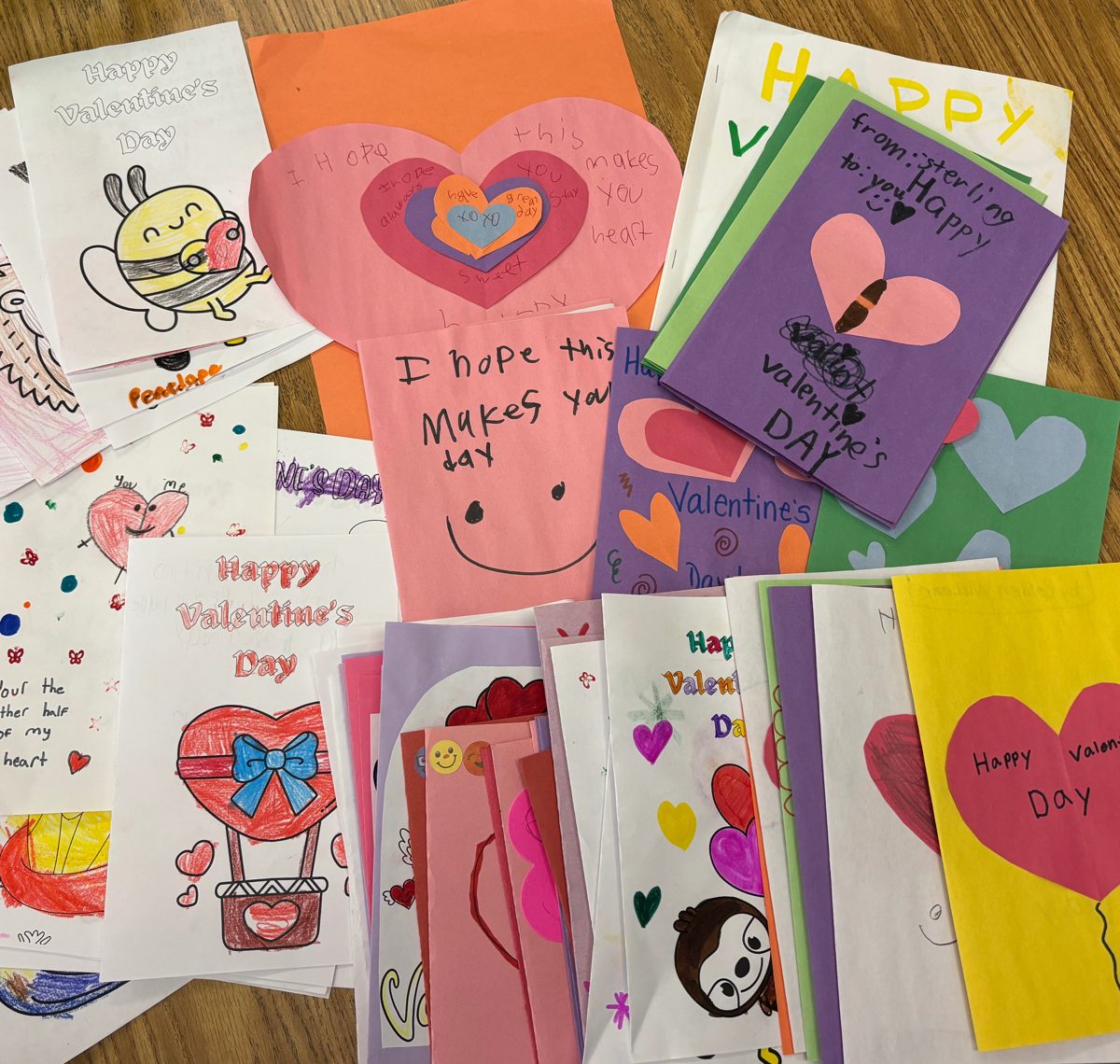
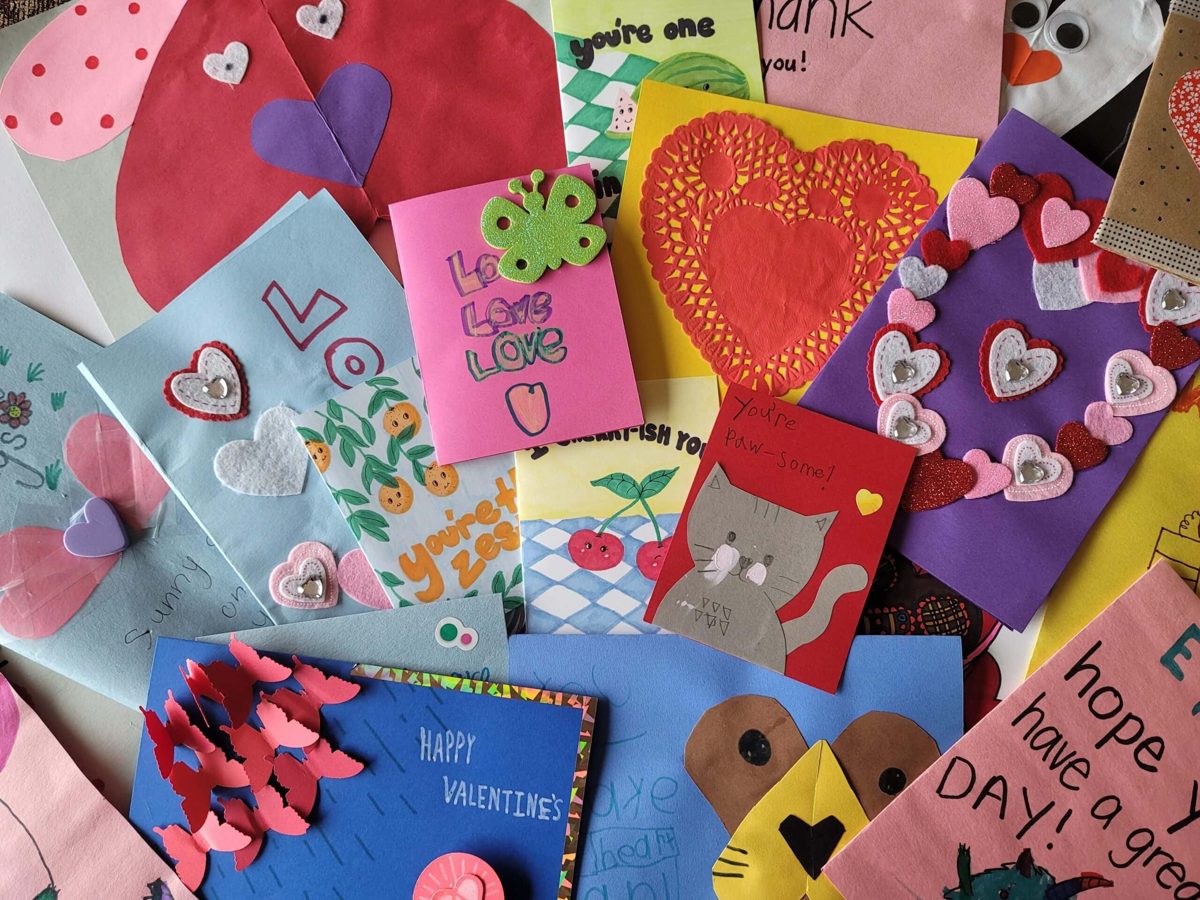
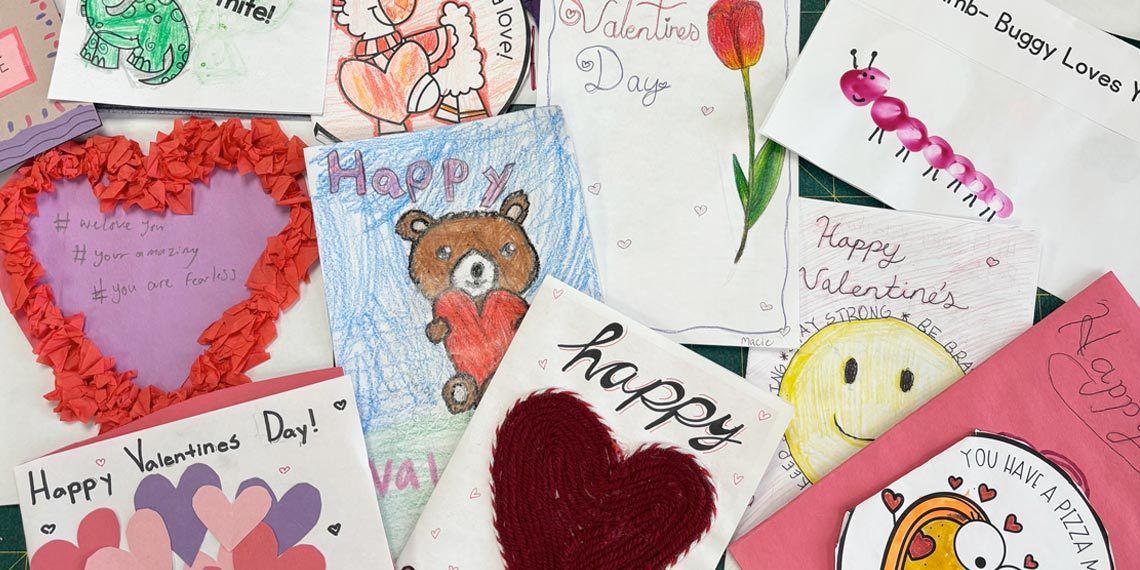
Store-bought card kits run $3 to $6 and are perfectly fine. But homemade cards have a charm that classmates genuinely notice, and they double as a February weekend project when everyone is tired of winter. The key is choosing a design a child can repeat twenty times without tears, theirs or yours.
- Fingerprint hearts: A thumbprint in red or pink paint becomes a heart with one angled second print. Add a name and the card is done. Best for preschool and kindergarten.
- Paper strip hearts: Two folded strips of colored paper stapled at the top and bottom curve into a heart shape. Older kids can make a whole garland's worth.
- Photo cards: Print a small photo of your child holding a treat or a sign, glue it to cardstock, and write the message around it. Grandparents love these even more than classmates do.
- Scratch-off messages: A dab of metallic paint over a hidden kind word turns a plain card into a tiny game. Kits cost a few dollars and feel fancy.
- Simple folded cards: Half a sheet of cardstock, stickers, and one honest sentence. A card that says a real reason a classmate is kind beats a generic greeting every time.
Start the weekend before, not the night before, and work in batches of eight while something good plays in the background. Signing their name twenty-three times is real handwriting practice for little kids, so keep sessions short and stop while it is still fun.
A Simple Family Celebration at Home
At home, we keep Valentine's Day small and warm, which suits a Minnesota February. Our tradition is a pink breakfast: strawberry milk, heart-shaped pancakes cut with a cookie cutter, and a paper heart at each plate with one specific thing we appreciate about that person. It takes fifteen extra minutes and the kids talk about it all year.
Other low-effort ideas that have worked for us: a family card-making night where everyone, parents included, makes one card for someone in the house; a red-and-pink dinner where the kids plan the menu; and a kindness chain, where each paper link added during February records a kind thing someone did. None of these cost more than a few dollars, and none require a reservation or a sitter.
For kids, Valentine's Day is not about romance at all. It is about being noticed and included, and a paper heart with their name on it does that job completely.
If you exchange small gifts at home, keep them token-sized: a book, a pair of fun socks, a small craft kit, something in the $5 to $15 range. The holiday lands six weeks after Christmas, and most houses, ours included, do not need another toy influx. A note tucked into a lunchbox the next school day stretches the celebration further than any of it.
Frequently Asked Questions
What if our school does not allow candy at all?
Lean into non-food cards: stickers, pencils, erasers, bookmarks, or a small maze card. Kids trade and compare these just as happily as candy, and you never have to wonder about an allergy you did not know about. Many classes now prefer this anyway.
How do I handle it if my child wants to give a special card to one friend?
Special cards for close friends are lovely, just deliver them outside the classroom exchange, at a playdate or in a mailbox. The classroom rule protects the child who would otherwise watch a special card land on someone else's desk and not theirs.
How much should we spend on class Valentines?
For most families, $5 to $12 total covers a whole class with either a card kit or simple homemade supplies. The cards are a gesture of inclusion, not a competition, and teachers will quietly confirm that the simplest cards are received exactly as warmly as the elaborate ones.