Easter Basket Ideas Beyond Candy
The year my daughter turned four, her Easter basket held so much candy that we were still finding jelly beans in the couch in June. She ate three pieces on Easter morning, traded the rest like currency for a week, and then forgot it entirely. The things she actually kept from that basket were a tiny watering can and a packet of sunflower seeds. That was my lesson: kids remember the interesting stuff, and candy is mostly just there because it is easy to grab.
Now I build baskets where treats are a garnish, not the main event. A few good chocolates, yes, because it is Easter. But the bulk of the basket is small, useful, spring-themed things my kids will still be using in July. Here is how I put them together by age, theme, and budget.
Build the Basket by Age
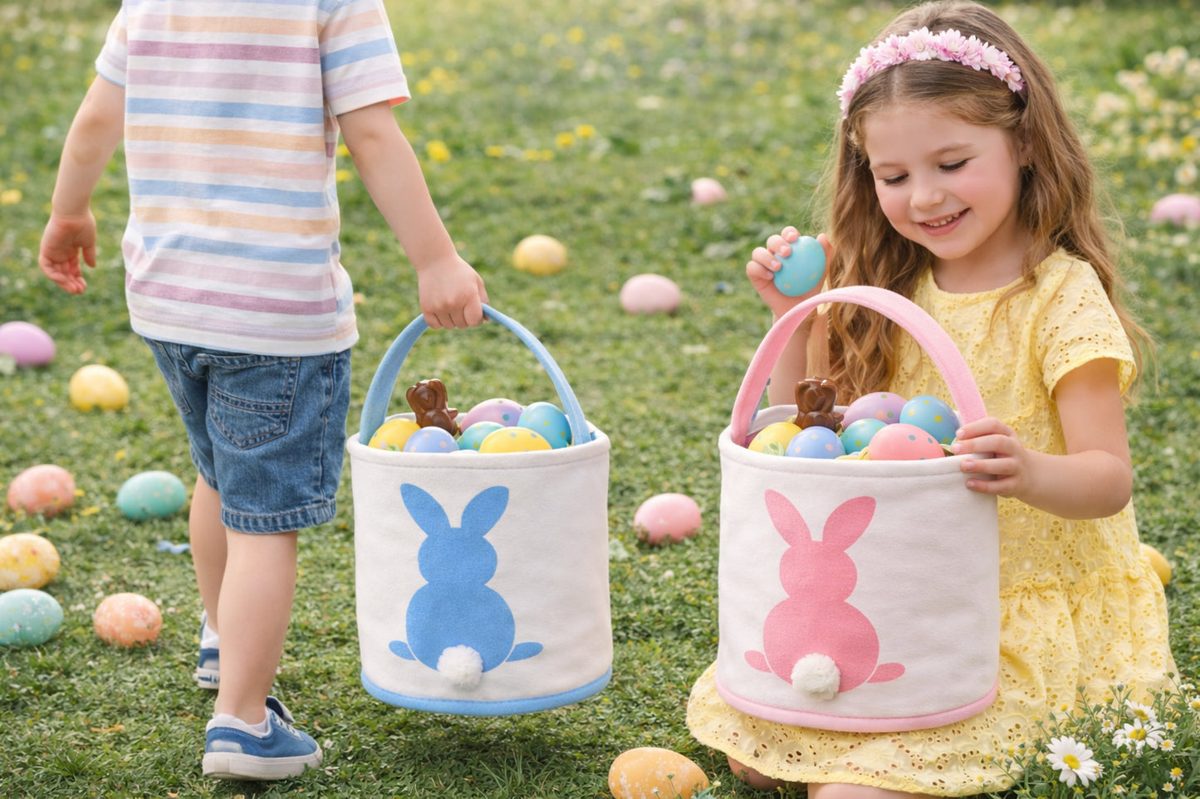
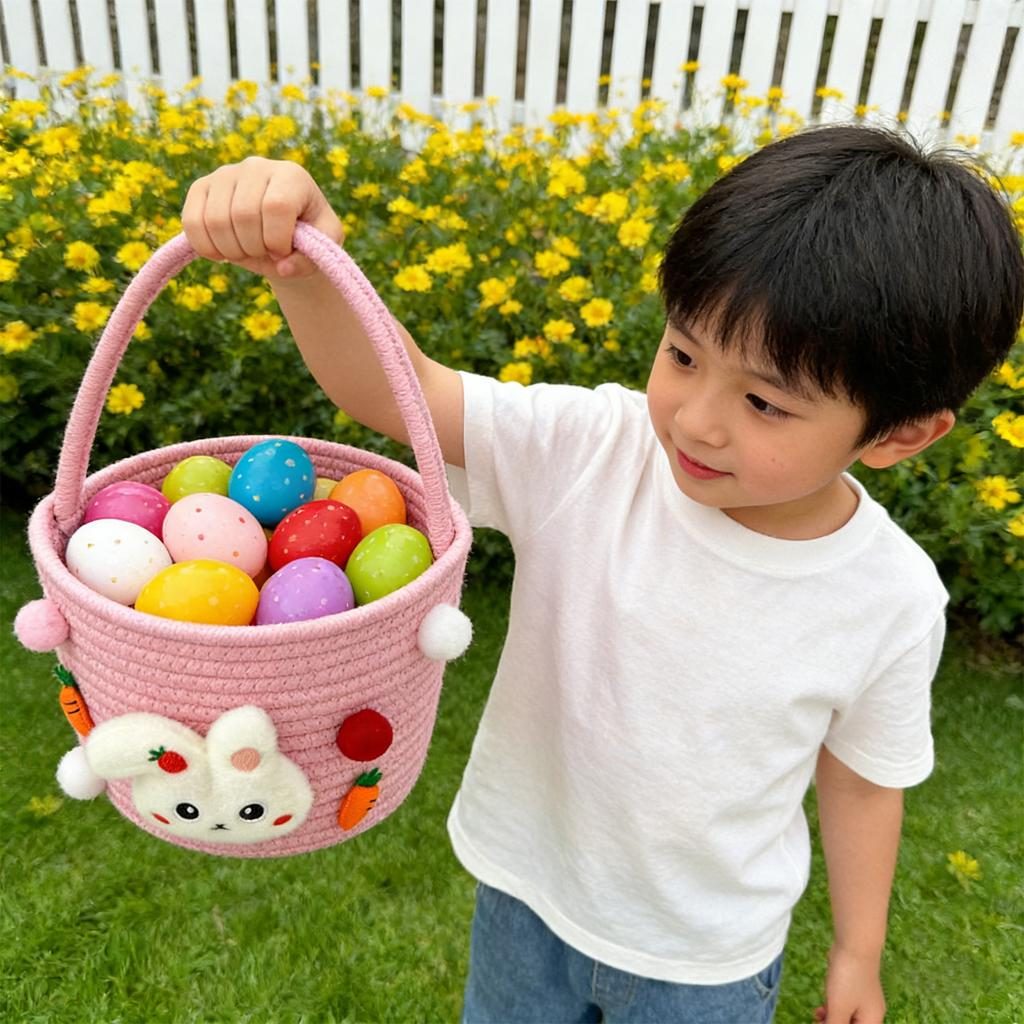
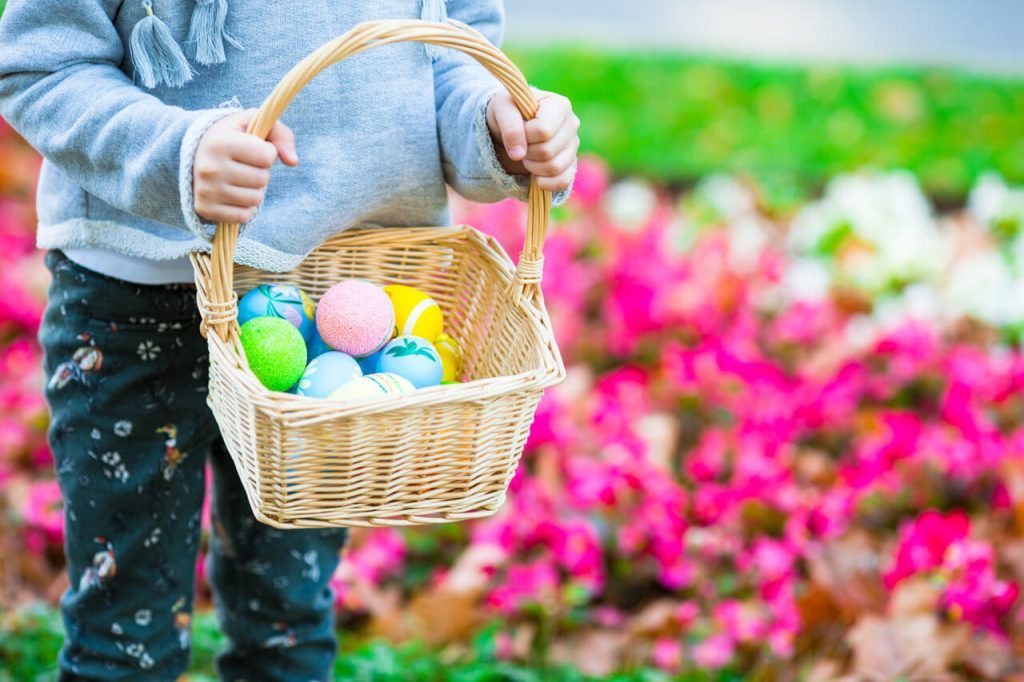
Start with the basket itself. A $3 to $8 basket from a discount store, a sand bucket, or a small tote your child will reuse all summer beats a fancy wrapped basket that falls apart by noon. Then fill by age:
- Ages 0–2: A board book about spring, a soft plush bunny or chick, bubbles with a chunky wand, a sippy cup in a spring color, and a few yogurt melts or fruit pouches instead of candy.
- Ages 3–5: Sidewalk chalk, a small gardening set, stickers, a wind-up hopping toy, play dough in spring colors, and a small chocolate bunny as the one sweet star.
- Ages 6–9: A jump rope, seed packets and a hand trowel, a card game, a chapter book, craft supplies, and a modest amount of jelly beans or chocolate eggs.
- Ages 10–12: A nicer water bottle, a puzzle or brain-teaser, art or journaling supplies, a gift card for a small treat, lip balm, and a favorite candy in a normal, human-sized portion.
One item per category is plenty. A basket with six to eight thoughtful pieces looks abundant once the grass goes in, and Easter grass, by the way, is the one thing I have stopped buying: shredded paper from the recycling bin works, washes out of nothing, and does not end up in the vacuum until Memorial Day.
Themed Baskets: Garden, Art, and Outdoors
A loose theme makes a basket feel curated instead of random, and it makes shopping faster because you know what you are hunting for. In Minnesota, Easter lands right when we are all desperate for spring, so outdoor and garden themes land especially well.
- Little gardener: Kid-sized gloves, two or three seed packets (sunflowers and sugar snap peas are forgiving), a small watering can, a trowel, and a bug viewer. Total cost: about $12 to $18.
- Young artist: A sketch pad, colored pencils or watercolor set, washi tape, a pack of blank cards to decorate for grandparents, and one small treat. Total cost: about $10 to $16.
- Outdoor explorer: A magnifying glass, a small flashlight, bubbles, a jump rope or ball, and a bandana. Use a bucket as the basket and it joins the sandbox fleet. Total cost: about $12 to $20.
- Bookworm: One paperback, a bookmark, a reading flashlight, a cozy pair of socks, and a hot cocoa packet. Total cost: about $10 to $15.
Themes also solve the sibling fairness problem. Each basket looks different but lands in the same price range, and kids compare less when their baskets are clearly built around their own interests rather than identical piles.
Put one thing in the basket that gets used up, one thing that gets kept, and one thing that gets them outside. That little formula has never failed me.
A Sensible Budget per Child
Our target is $15 to $25 per child, all in, and it is genuinely doable. The trick is buying across a few weeks instead of in one Easter-week trip when everything themed is full price. Dollar stores carry chalk, bubbles, and gardening basics in March. Grocery stores put chocolate bunnies on sale the week before Easter, and craft stores rotate coupons that cover the one nicer item.
Watch for the two budget traps. The first is pre-filled store baskets: they look generous but are mostly filler, cheap candy, and a toy that breaks by dinner, often for $20 or more. The second is the single big toy that turns Easter into a second Christmas. A kite or a scooter is a lovely spring gift if your family chooses it on purpose, but it does not need to ride in a basket to count.
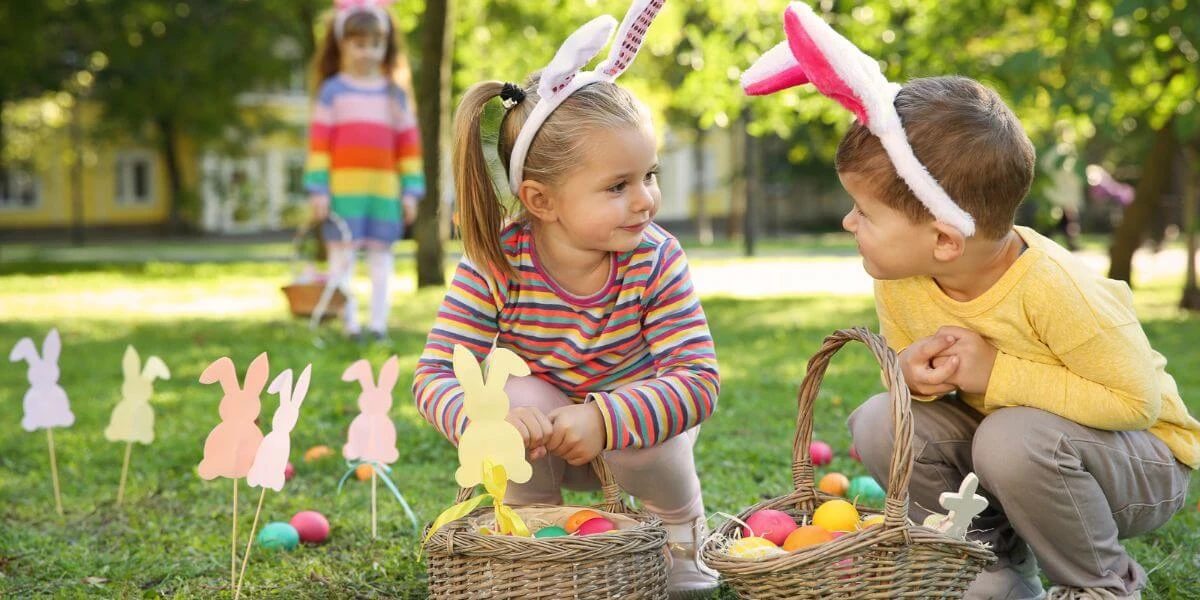
If grandparents add to the basket, suggest the consumables: seeds, art supplies, a book. It keeps the basket balanced and gives them something specific and appreciated to buy. And keep one small bag of jelly beans for the egg hunt if your family does one. A little candy in the mix is part of the fun; it just does not have to be the foundation.
One more practical note: shop with a list for each child on your phone. Easter displays are designed to make you grab, and a list keeps three baskets balanced instead of one magnificent basket and two apologetic ones assembled in the checkout line.
Frequently Asked Questions
How much candy should go in an Easter basket?
One feature treat, like a small chocolate bunny, plus a small handful of eggs or jelly beans is plenty for most kids. Think of candy as one item in the basket, not the filler. If you do an egg hunt too, the hunt candy can be the whole candy budget.
What do I put in a basket for a baby?
Keep it simple and safe: a board book, a soft plush, a teether or stacking cup, bubbles for you to blow, and a spring outfit if they need one anyway. Skip small items and candy entirely. The basket is really a photo and a keepsake at this age, and that is fine.
How do I keep baskets fair between siblings?
Match the budget, not the contents. Spend roughly the same amount on each child, build around each child's interests, and include the same number of pieces. Kids compare counts more than prices, so six items each keeps the peace even when the themes differ.