Halloween Costumes for Kids: Buy, Borrow, or DIY
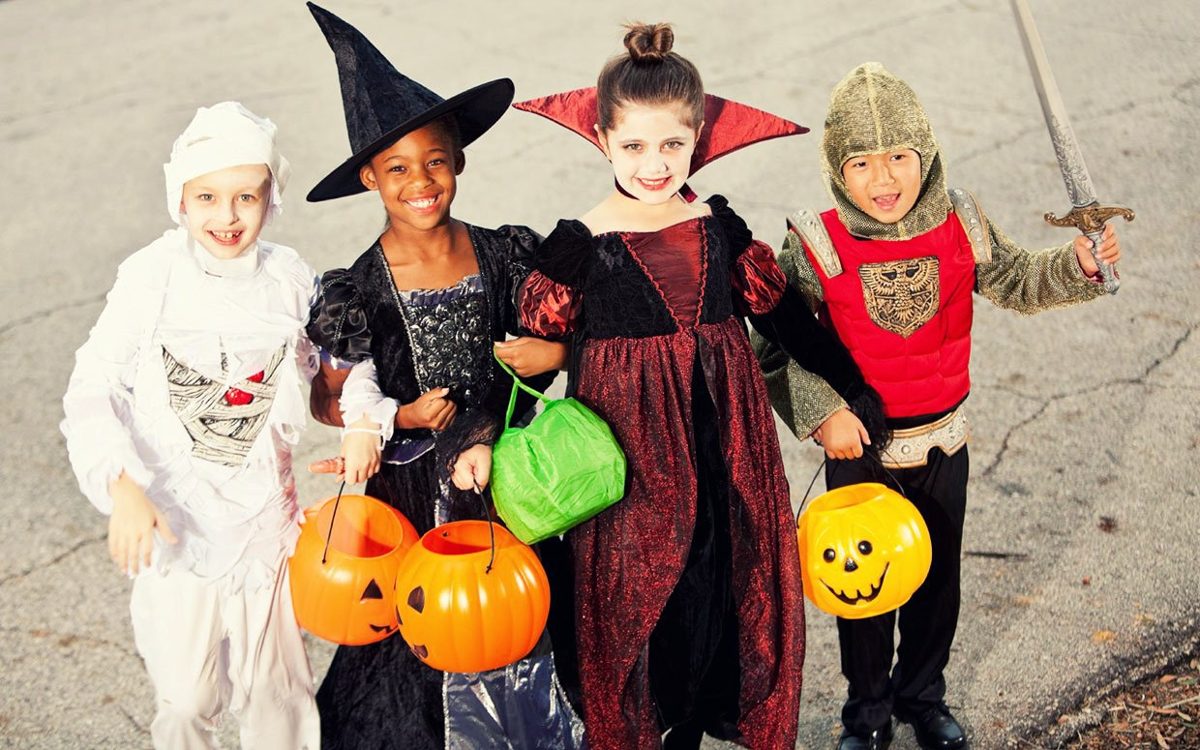
Every October, I stand in the same spot in our entryway in Rochester, holding a costume catalog in one hand and a glue gun in the other, doing the same math. My daughter wants to be a dragon with wings that actually flap. My son wants whatever his best friend is wearing. And I want a costume that survives a Minnesota Halloween, which can mean anything from a crisp 45-degree evening to actual snow flurries before the last doorbell.
After nine Halloweens, I have bought costumes, borrowed costumes, and built them out of cardboard at midnight. Each approach has a year where it is exactly right. The trick is matching the method to the child, the costume, and how much time you honestly have, not how much time you wish you had. Here is how our family decides, plus the safety checks I never skip anymore.
The Real Math: Buy, Borrow, or Build
A store-bought costume for a child typically runs $20 to $45 at big retailers, and boutique or licensed character costumes can climb to $60 or more. You are paying for convenience and for a specific character your child saw on a screen. A borrowed costume costs nothing but a thank-you and maybe a batch of cookies. A DIY costume usually lands between $5 and $25 in supplies if you start with clothes you already own, though it asks for two to four hours of your time instead.
- Buy when the costume is a specific character, your October is packed, or the pieces, like a warm jumpsuit base, will be reused as pajamas or dress-up all year.
- Borrow when your child is in the fast-growing years, the costume is a classic like a pumpkin, witch, or superhero, or a friend's child just outgrew exactly the right size.
- DIY when the idea is simple, like a scarecrow, a chef, or a crayon, when your child wants to help make it, or when the costume needs to fit over a winter coat.
- Mix freely: buy the base, borrow the accessory, and make the one detail that matters most to your child.
One warning from experience: a costume a child wears for exactly one night of trick-or-treating has a very different value than one that enters the dress-up bin for years. If it will be worn every week until spring, buying makes sense. If it is a one-night wonder, borrowing or building wins almost every time.
Safety First, Especially for Little Ones
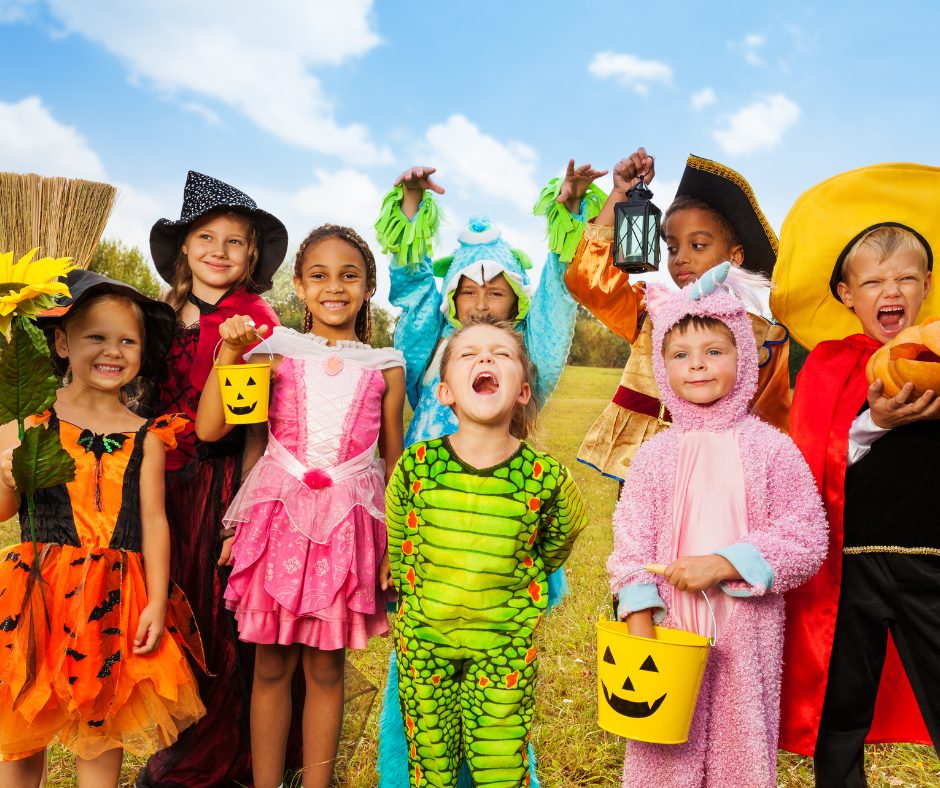
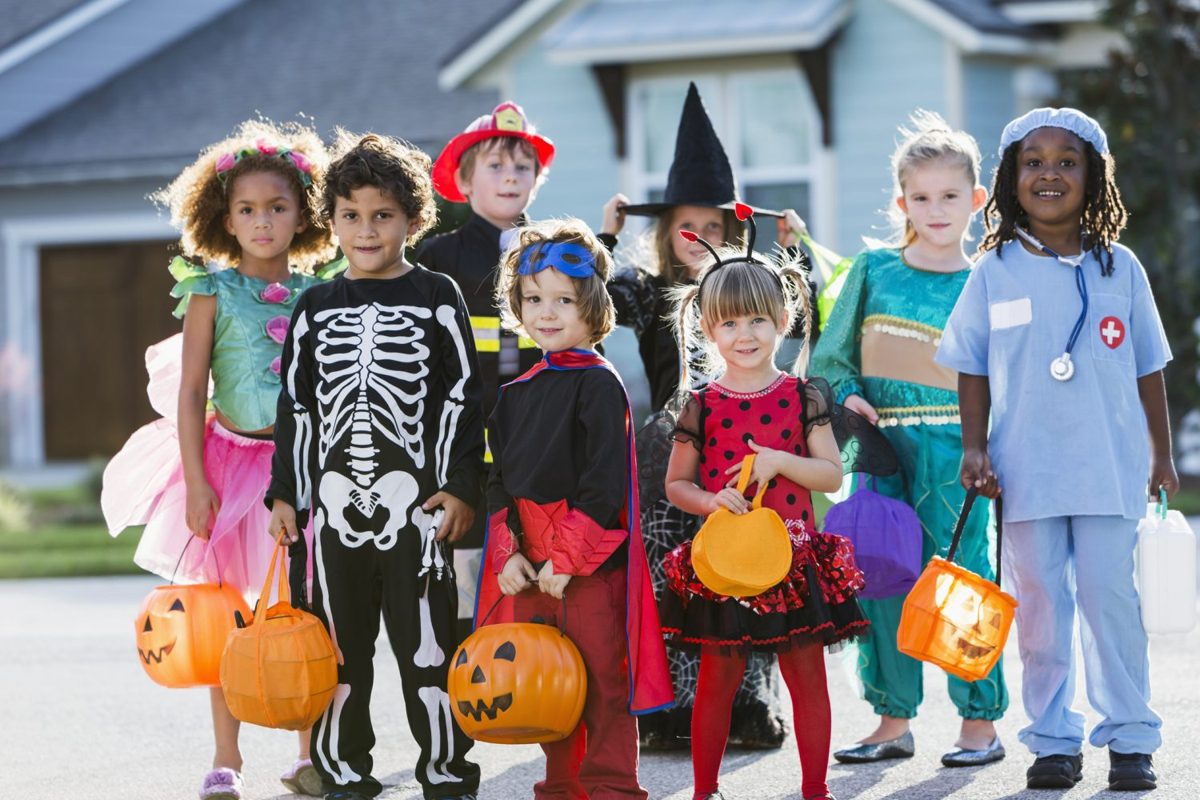
Halloween safety lists can feel like overkill until you are walking a dark street with a tired four-year-old. The checks that matter most are visibility, fit, and what the costume is made of. Minnesota trick-or-treating happens in the dark and often in the cold, so plan for both.
- Visibility: Add reflective tape to the back and sides, choose light colors when you can, and give each child a flashlight or glow necklace. Drivers simply cannot see a small child in a black costume at dusk.
- Length: Hem anything that hangs below the ankle. Toddlers trip on their own costumes constantly, and a dragging cape plus an icy sidewalk is a bad combination.
- Faces: Face paint beats a mask for young kids. Masks narrow vision and get pushed up and down all night; paint stays put. Test paint on a small patch of skin a day early.
- Materials: Look for flame-resistant labels, especially if you will be near jack-o'-lanterns with real candles. Keep trailing fabric away from open flames.
- Warmth: Build the costume around layers. A costume that fits over a fleece and snow pants will actually get worn; one that requires bare arms in 35-degree weather will be abandoned by the third house.
For babies and toddlers in strollers or carriers, skip anything with small detachable parts, long strings, or drawstrings near the neck. A soft animal hood or a decorated onesie reads as a costume in photos and keeps them comfortable and safe.
The best costume is the one your child is still happily wearing at the last house on the street, not the one that looked perfect in the driveway photo.
Start a Costume Swap (and Save Everyone Money)
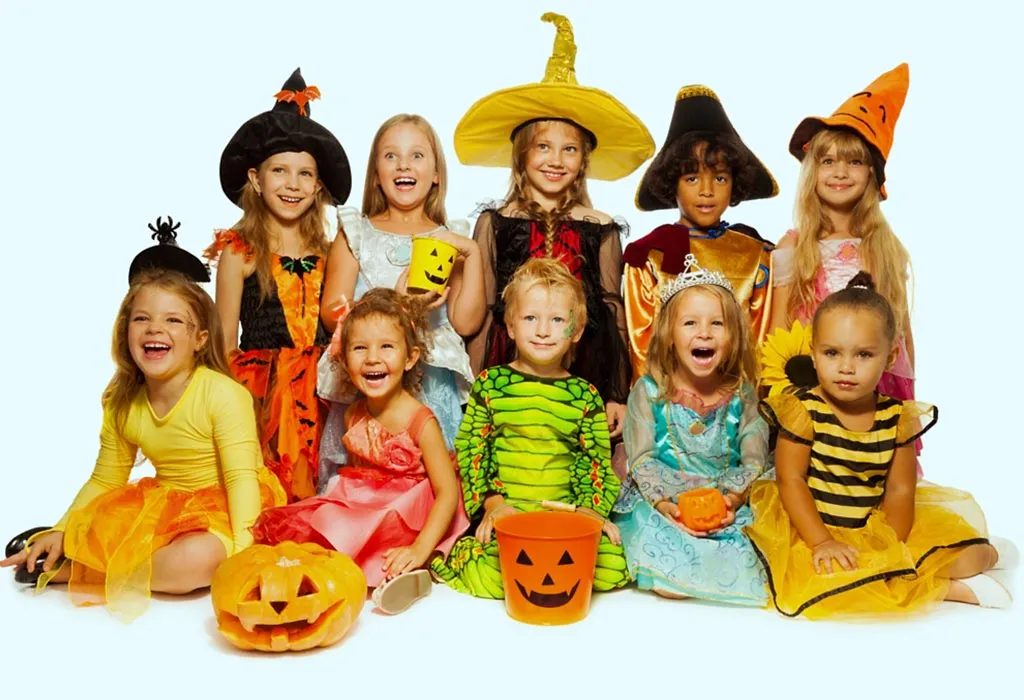
Three years ago, a neighbor and I started a simple swap: a group text in early October where everyone lists the costumes their kids have outgrown, with sizes. That is the whole system. Costumes get dropped on porches, worn once, washed, and passed along again the next year. Our little swap now covers about a dozen families and a small mountain of dinosaurs, princesses, and superheroes.
To start one, keep it small and simple. Invite five to ten families with kids in a range of ages, because a swap only works when sizes flow in both directions. Set two ground rules: costumes come back clean, and nobody is obligated to lend anything with sentimental value. Label each costume with the owner's name on painter's tape so returns are easy. A school, church, or library bulletin board can host a simple sign-up sheet if a group text is not your style.
Swaps work beautifully for classic costumes and for the sibling problem: the hand-me-down your younger child refuses because it feels like the baby one suddenly becomes exciting when it arrives from a cool older kid's house. If your child has their heart set on something specific that the swap does not have, you can still borrow the base layers, gloves, and accessories, and buy only the one signature piece.
Frequently Asked Questions
When should I buy Halloween costumes for the best price?
Early September has the best selection, and costumes rarely get cheaper as Halloween approaches. The real deals come the first week of November, when costumes drop to 50 to 75 percent off. Buy next year's classic costume then, in a size up, and your future self will thank you.
How do I make a DIY costume that survives a cold night?
Start with a warm base your child already owns, like a hoodie and leggings in the costume's main color, and add the details on top: felt spots for a Dalmatian, ears sewn on the hood, a tail pinned at the back. Everything is layered, washable, and warm, and the pieces go right back into the drawer on November 1.
Is it okay to reuse the same costume two years in a row?
Absolutely, if your child is happy. Many kids love repeating a favorite, and a small new accessory, like a different hat or a glow-in-the-dark wand, makes it feel fresh. Let the child decide; adults notice repeats far more than kids do.