Saving on Baby Food and Formula: A Realistic Playbook
When our second baby was on formula, I stood in a St. Cloud Target doing math I did not enjoy: the big can, the small can, the store brand, the name brand, and a price per ounce that made my eyes water. Feeding a baby is not an area where any of us wants to gamble, and it is also not an area where most of us can ignore the bill. This playbook is the middle path I wish I had found sooner: every legitimate way to pay less for baby food and formula, with safety treated as the one non-negotiable. Prices vary and programs change, so check current details with each brand and store.
One important note: this article is general information about shopping, not feeding advice. Questions about which formula or foods suit your baby belong with your pediatrician, who knows your child and I do not.
Start With Safety: The Lines We Never Cross
Savings never outrank safety in the baby aisle, and a few rules are absolute. Buy formula and baby food from reputable retailers, in sealed containers, with intact safety seals and readable lot numbers and dates. Check the use-by date before the price. Never buy formula from resale listings, social media sellers, or anyone offering cans with damaged labels, because storage history matters and you cannot verify it. Do not dilute formula to stretch it, and do not use homemade formula recipes; both are genuinely dangerous, and every pediatric authority warns against them. When in doubt about a product, the manufacturer's customer line and your pediatrician's office are free to call.
- Sealed and dated: If the seal is broken or the date is past, it is not a deal at any price.
- Recalls: Register baby products and check lot numbers against recall notices, especially after any news story about baby food or formula.
- Storage at home: Follow the preparation and storage directions on the container exactly, including how long prepared formula keeps in the fridge.
Brand Loyalty Programs and Manufacturer Coupons
The major formula and baby food brands run some of the most generous loyalty programs in the whole store, because they know a family's first brand often becomes its habit. Signing up on the brand's own website typically brings a welcome packet with high-value coupons or samples, followed by periodic mailers and digital offers as your baby grows. Checks-style coupons from formula brands have historically been worth several dollars each, which is serious money in this aisle. Sign up before the baby arrives if you can, register with more than one brand even if you have a favorite, and use a dedicated email address so the offers are easy to find.
Stack those brand offers with store promotions. Drugstores and big-box stores run baby category events regularly: gift card deals on formula and diaper purchases, registry completion discounts near your due date, and store coupons in the app. A brand coupon used during a store baby event, on a size you will use soon, is the closest thing this category has to a system. Just mind expiration dates; loyalty mailers expire fast.
Store Brand, Honestly Compared
Store brand formula is the single biggest lever most families never pull. Infant formula sold in the United States must meet the same federal nutrient standards regardless of brand, and store brands are made to those same requirements, typically at a noticeably lower price per ounce than the national brands. Many families save a meaningful amount every month by switching, sometimes enough to cover the diaper budget. The honest caveats: babies have preferences and tolerances, transitions should be gradual, and any switch deserves a quick conversation with your pediatrician, especially for babies on specialty formulas, which are a different conversation entirely and should never be swapped casually.
Store brand baby food pouches and jars follow a similar pattern. Compare the price per ounce and the ingredient list, which for single-ingredient purees is often identical in everything but the label. Organic lines exist in store brands too, usually at prices that make the national organic brands look startling.
In the baby aisle, the brand on the label matters far less than the seal on the lid, the date on the bottom, and whether your baby thrives on it. Pay for those things. Save on the rest.
Timing Purchases: Baby Events, Registries, and Sizes
- Use the registry completion discount. Most major registries offer a one-time completion discount near your due date, often in the range of ten to fifteen percent. Save it for the big feeding purchases rather than onesies.
- Shop the baby category events. Stores run periodic promotions on baby departments, including gift card offers on formula and food. Buying your normal brand during its event week is pure timing profit.
- Buy the size you are in, plus one ahead, carefully. Formula does not have sizes, but appetites grow. A reasonable pantry is a few weeks of supply bought on promotion, not a closet of cans that could expire before a growth spurt changes the plan.
- Watch unit price by container size. Bigger cans usually win per ounce, but a smaller can finished before the one-month-after-opening window beats a big can wasted. Do the math against your baby's actual pace.
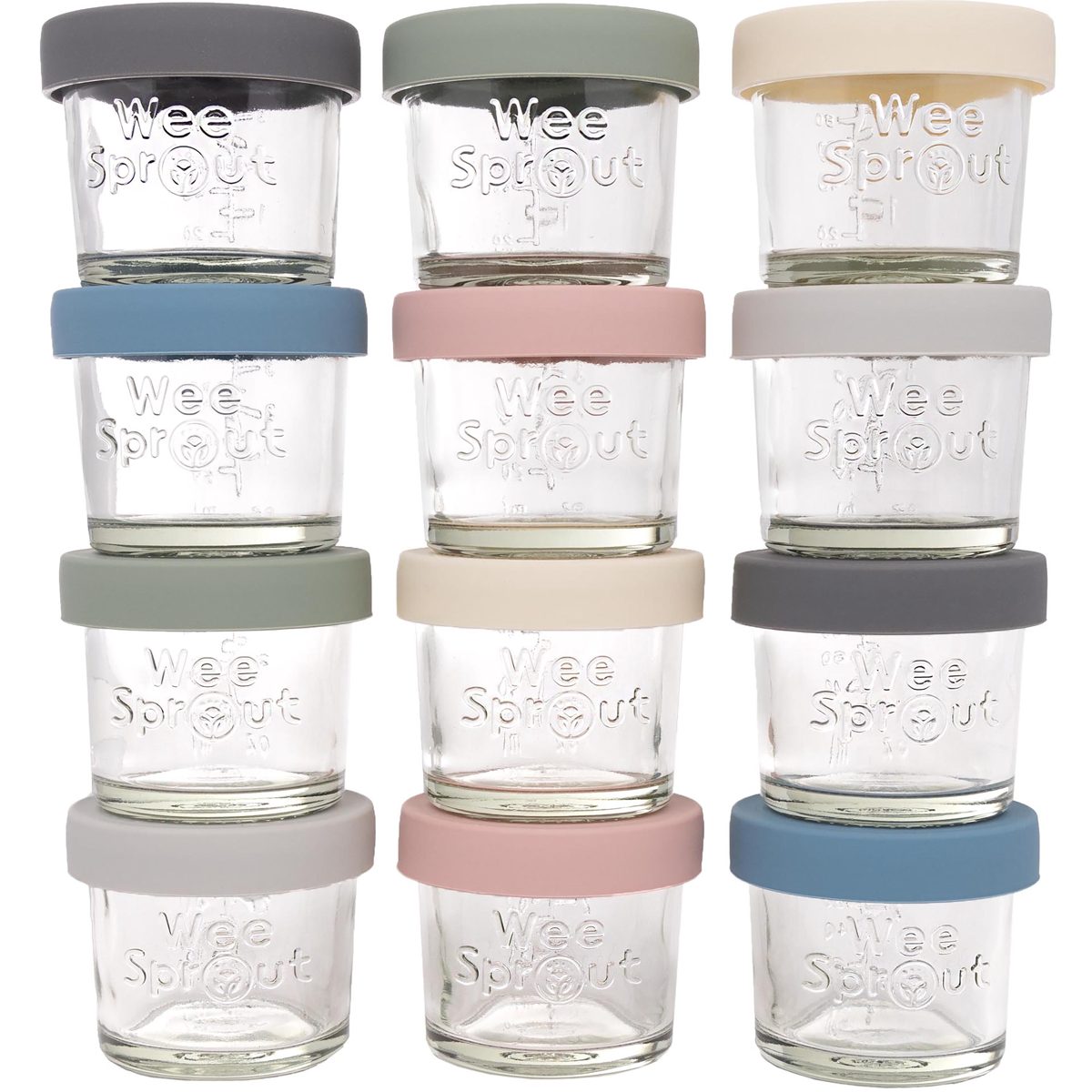
Baby Food: Pouches, Jars, and the Freezer Option
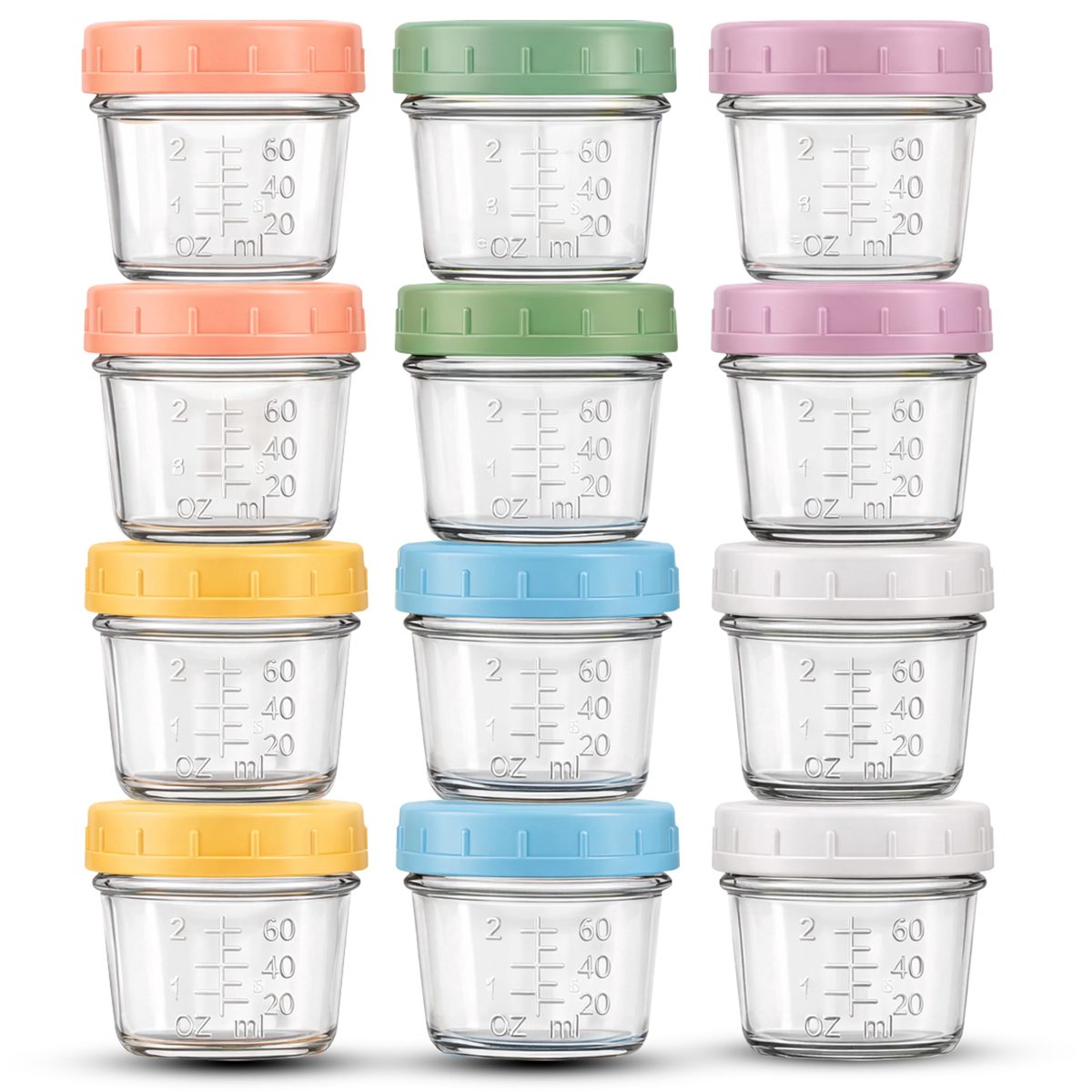
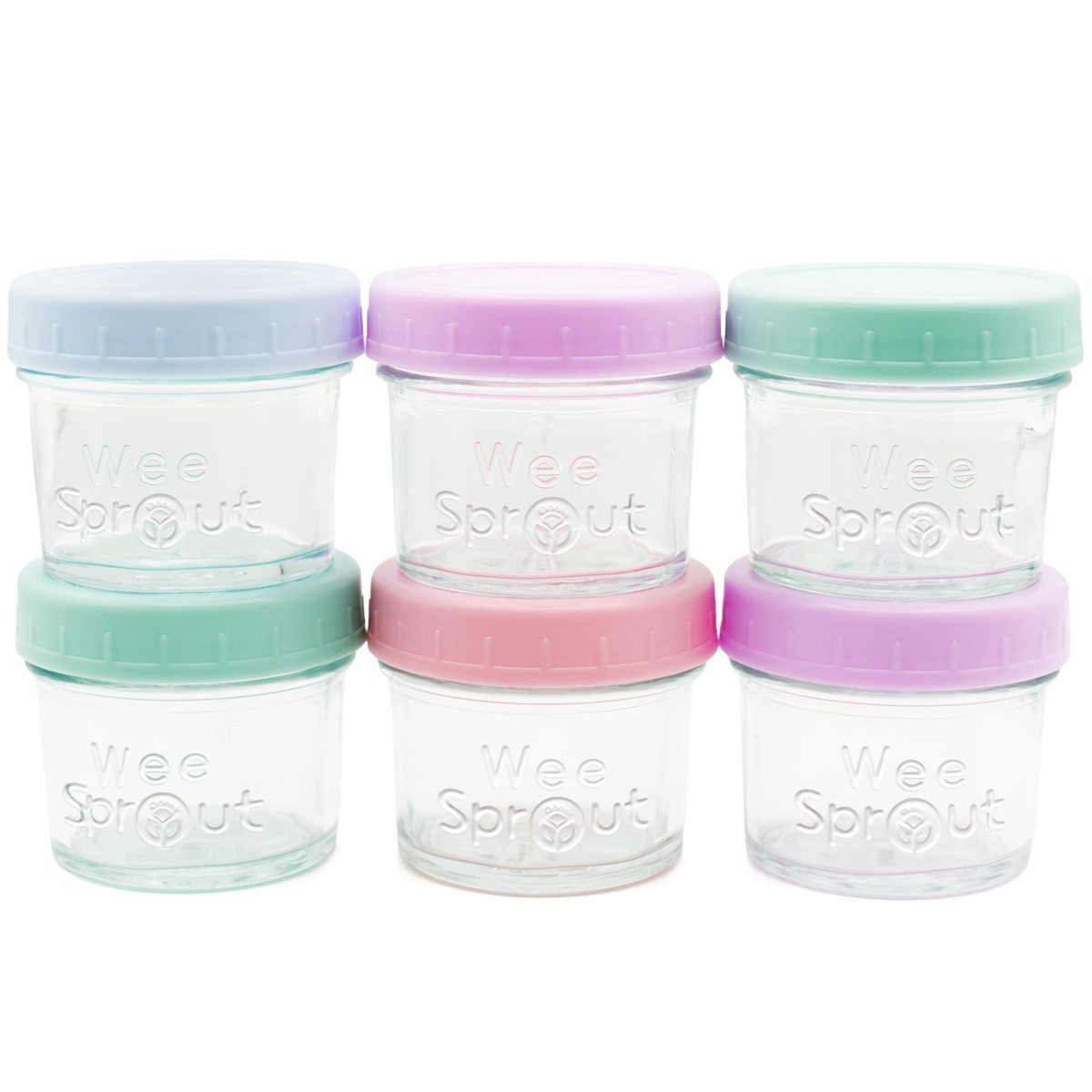
Once solids begin, pouches become the convenience tax of modern parenting: wonderful on the go, pricey per ounce at home. A balanced approach works well. Use store brand pouches bought on promotion for the diaper bag, and at home, consider how much puree is simply soft food. A steamer basket and a freezer tray turn a sweet potato or a bag of frozen peas into weeks of baby food for a fraction of pouch prices, and many Minnesota moms batch it on a Sunday afternoon. Follow safe storage times for homemade baby food, label everything with the date, and introduce new foods following your pediatrician's guidance. As babies move to table foods, the savings compound, because the family meal becomes the baby meal with a smaller fork.
Frequently Asked Questions
Is store brand formula really the same quality?
All infant formula sold in the United States must meet the same federal standards for nutrition and safety, including store brands, which is why pediatricians often describe them as nutritionally equivalent. Individual babies may prefer or tolerate one over another, so switch gradually and loop in your pediatrician, especially for specialty formulas.
How much formula should I stock when it is on sale?
A few weeks' worth is a sensible ceiling for most families: enough to capture the promotion, not so much that cans risk expiring or your baby's needs change first. Always check the use-by date against your baby's pace before buying ahead, and store cans sealed in a cool, dry place.
Are formula coupons and brand checks worth signing up for?
Yes, they are among the highest-value coupons in the store, and brands send them precisely because new parents are deciding on a brand. Register on the brand's official website before your due date if possible, and combine the offers with store baby events for the best final price per ounce.