Back-to-School Savings: Supplies Without the Markup

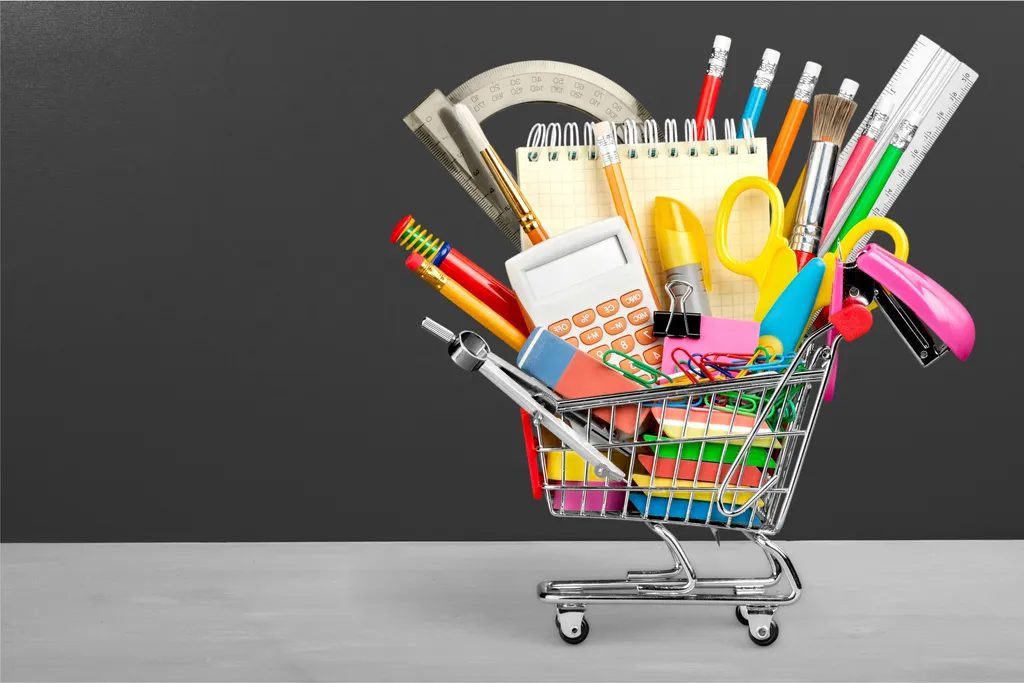
Every August, the same scene plays out in Minnesota school hallways and big-box stores alike: a parent, a crumpled supply list, a cart filling with things in cheerful primary colors, and a total at the register that feels wildly out of proportion to a pile of folders and glue sticks. I have been that parent. I have also been the parent who, by the third kid, spent a fraction of that first total on the same list, because school supplies are one of the most predictable sales cycles of the entire year. The stores practically publish the schedule. This guide is how to use it.
The strategy has three parts: start from the actual list, buy in waves as prices bottom out instead of in one panicked trip, and think one year ahead while prices are at their floor. None of it requires coupons, though coupons happily stack on top.
Start With the List (and the Stash You Already Own)
Before any shopping, print the school's actual supply list for each child and tape it to the fridge. Vague shopping is expensive shopping; the list turns a store trip into a checklist instead of a scavenger hunt. Then do the step everyone skips: shop your own house first. Most homes contain a working supply of pencils, a ruler, scissors, half-used notebooks with twenty blank pages, and a backpack that has at least one more year in it. In our house, the junk drawer and last year's backpack pockets reliably cover a quarter of the list. Cross those items off before you spend a cent.
While you are at it, check what the school actually requires versus what is suggested. Some lists are written for a shared classroom pool, where brand names genuinely do not matter, and some items, like specific calculator models, really do need to match. Spend precisely where precision is required and cheerfully generic everywhere else.

Buy in Waves: How the Supply Sales Cycle Works
School supplies follow one of the most dependable markdown rhythms in retail. Prices are highest in the first wave of displays, drop as stores compete in midsummer, and hit their floor in the final weeks before school and the clearance days right after. The winning approach is to buy in waves matched to that rhythm:
- Wave one, early: Buy only the specific, required items that sell out: the exact calculator, the particular binder system, the art supplies for a specific class. Availability, not price, is the risk here.
- Wave two, midsummer promotions: This is when stores run their loss-leader pricing on basics: notebooks, folders, pencils, glue, and crayons at prices designed to pull you into the store. Buy the bulk of the list now, plus extras of the consumables your kids burn through by October.
- Wave three, the final week and clearance: Fill gaps, grab backpacks and lunch gear on markdown, and then walk the clearance aisle with next year in mind.
The mistake to avoid is the single heroic trip in the final weekend, when the loss leaders are gone, the shelves are picked over, and every price is the panic price. Three short, calm trips beat one long expensive one, and two of them can ride along with errands you were running anyway.
What to Stock for Next Year
Clearance pricing on school basics can reach the deepest discounts of the year once classes begin, because stores need the shelf space for Halloween. Buy next year's consumables then, at prices that make midsummer sales look proud.
- Paper and notebooks: They do not expire, store flat, and get used every single year. Buy generously.
- Pencils, pens, glue sticks, and crayons: Essentially immortal in a closet bin. Glue sticks do dry out over very long periods, so a one-year supply is the sweet spot.
- Folders and binders in neutral colors: Safe bets. The character-themed folder is a gamble on next year's interests, and interests change fast at age nine.
- A spare backpack and lunch bag: Only if the clearance price is truly low and the style is classic enough to survive a year of changing tastes.
Store it all in one labeled bin, "school supplies," and check the bin before next year's list ever meets a cart. The bin is the whole system.
The cheapest school supply is the one already in your house, and the second cheapest is last September's clearance. August's full-price display is for people who have not met the bin yet.

Uniforms and Clothes Without the Markup
For uniform families, the rules are similar: buy basics during the summer uniform promotions, size up where growth allows, and check your school's uniform exchange or swap if it has one, because outgrown polos in perfect condition circulate constantly. For everyone, Minnesota offers a quiet advantage worth knowing: our state does not charge sales tax on clothing, which makes back-to-school clothes shopping here a little gentler than in most states, especially on the bigger items like shoes and fall jackets. That exemption applies to clothing generally, though not to accessories or sports gear, so it pays to know which pile your purchase falls into.
Growth is the budget wildcard. Buy shoes as close to the start of school as you can, buy jeans and leggings on promotion in twos when the price is right, and lean on hand-me-downs and the local buy-nothing group for the sizes that last one season. And put one line in the budget for the mid-year growth spurt. It is coming, usually in February, usually overnight.
Frequently Asked Questions
When is the absolute cheapest time to buy school supplies?
For this year's list, the midsummer promotional weeks, when stores price basics as loss leaders. For next year's list, the clearance days right after school starts, when remaining supplies are marked down deeply to free the shelves. Buying for next year at clearance is the single biggest saver in this whole guide.
How much should I stock up at clearance prices?
About one school year's worth of true consumables: paper, pencils, glue, crayons, and notebooks. They store easily and always get used. Skip stocking anything tied to a specific teacher's list, a passing character craze, or a size your child is growing through.
Are dollar stores the cheapest option for supplies?
Sometimes, but check the counts. A dollar-store pack often contains fewer pencils, thinner notebooks, or smaller glue sticks than the name-brand promotional packs at big-box stores in midsummer, which can make the unit price higher despite the lower sticker. Compare price per item, not price per package.