Double-Coupon Days and Store Promotions: How They Really Work
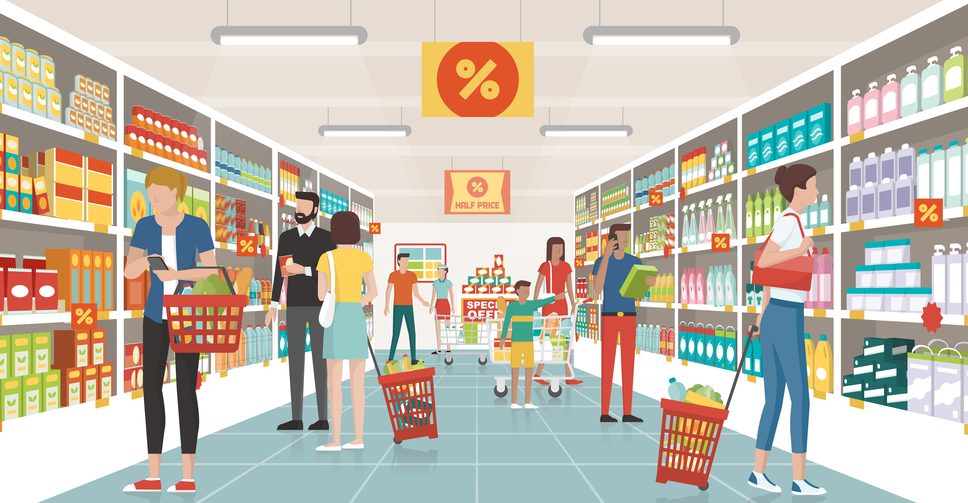
Store promotions are written in a language designed to make everything sound like a windfall. Buy one get one, double coupons, free gift card with purchase, fifty percent off the second: the signs shout savings, and sometimes they are telling the truth. Sometimes, though, the math underneath is quietly ordinary, or worse. After a few years of working drugstore and grocery deals around the Twin Cities, I have learned to translate every promotion into one plain number before I decide: the final price per unit, after every discount, for the amount my family will actually use. This guide teaches the translation.
One note: promotions differ by store and by week, and each chain writes its own rules. What follows is how these promotions generally work, so you can read any ad with clear eyes. For a specific deal, the fine print in the ad and the store's current policy on its website are the final word.
BOGO, Decoded: The Math Nobody Does at the Shelf
Buy one, get one free sounds like half price, and it is, but only if you were going to buy two. The variations matter. "Buy one, get one free" means two units for the price of one: a true fifty percent per unit. "Buy one, get one fifty percent off" means two units for one and a half prices: twenty-five percent off per unit. "Buy two, get one free" lands at about thirty-three percent off per unit. None of these is a trick, exactly, but they are very different deals wearing similar signs.
The second BOGO trap is the starting price. A BOGO on an item whose regular price quietly rose, or whose everyday price elsewhere is lower, can cost more than buying the item at its normal price across town. This is why experienced shoppers memorize buy prices for their top staples. If the "deal" price per unit is not below your buy price, the sign is just decoration. Third trap: quantity. BOGO on perishables is only a savings if your family genuinely finishes two before the date on the package. Half a spoiled BOGO is full price for what you used.
Double Coupons: How They Work When a Store Offers Them
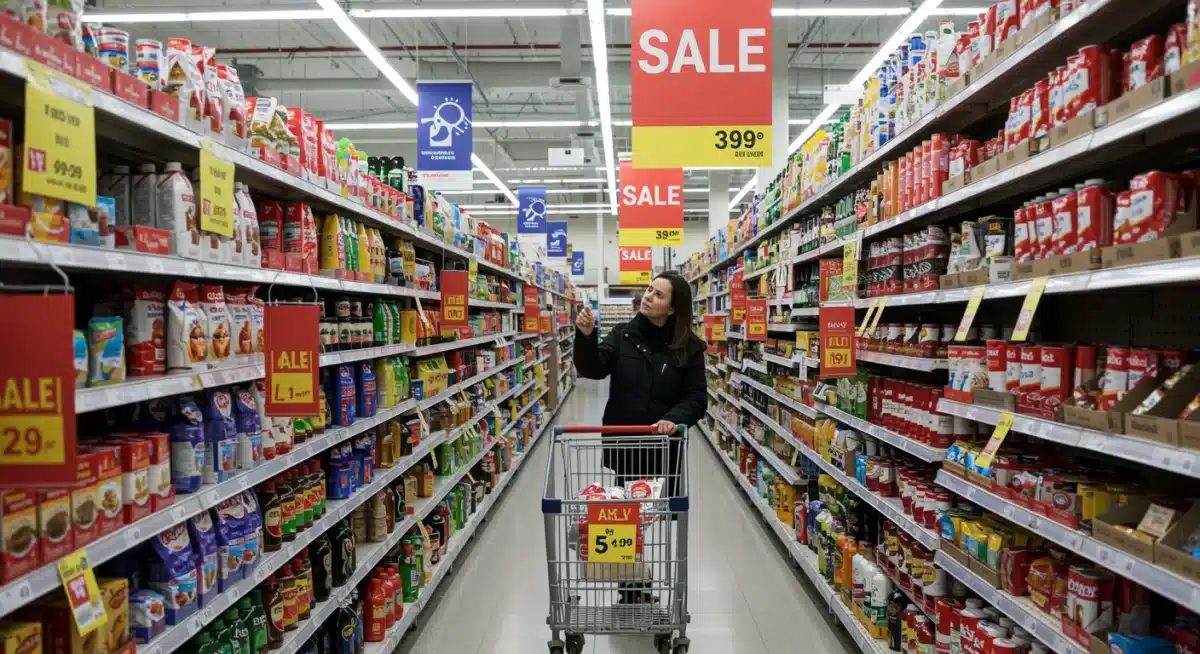
Double coupon events used to be a weekly institution at many grocery chains; today they are mostly special promotions, and some stores have retired them entirely. The mechanics are simple: during the event, the store doubles the value of manufacturer coupons up to a stated face value, often fifty cents or a dollar. A fifty-cent coupon becomes a dollar off, and a one-dollar coupon may become two, or may be capped. The fine print is where the deal lives, so read for these details:
- The doubling cap. Coupons above the cap usually redeem at face value only. A $1.50 coupon might save $1.50, not $3.
- The daily limit. Events typically limit how many coupons double per trip or per day, often a handful of identical ones.
- Digital coupons usually do not double. Doubling has traditionally applied to paper manufacturer coupons, and many stores exclude their own store coupons entirely.
- One coupon per item still applies. Doubling changes a coupon's value, not the stacking rules.
If your store announces a double coupon event, the winning move is to bring your highest-value paper coupons at or just under the cap, on items already on sale. Sale price plus a doubled coupon is the closest grocery shopping gets to the old drugstore magic.
Gift Card Deals and "Spend X, Get Y" Promotions
The other promotion family pays you in future money: spend a set amount in a category and receive a gift card, or buy a featured item and earn store rewards. Target's category gift card deals are the version Minnesota moms know best. These can be excellent, with two calculations. First, value the gift card honestly. If it must be spent at that store and you shop there weekly, it is nearly cash. If it will rattle in a drawer until it expires, it is worth less than its face. Second, check whether the threshold pushed you to add items you did not need. Spending eight extra dollars to earn a five-dollar gift card is arithmetic working against you.
The strongest version of these deals is buying things already on your list, on sale, that happen to cross the threshold. The weakest is building a cart around the promotion. Build your list first and let promotions decorate it, never the other way around.
A promotion is only as good as its final unit price on things you were already going to buy. Everything else is marketing wearing a sale sign.
The Fake-Savings Traps
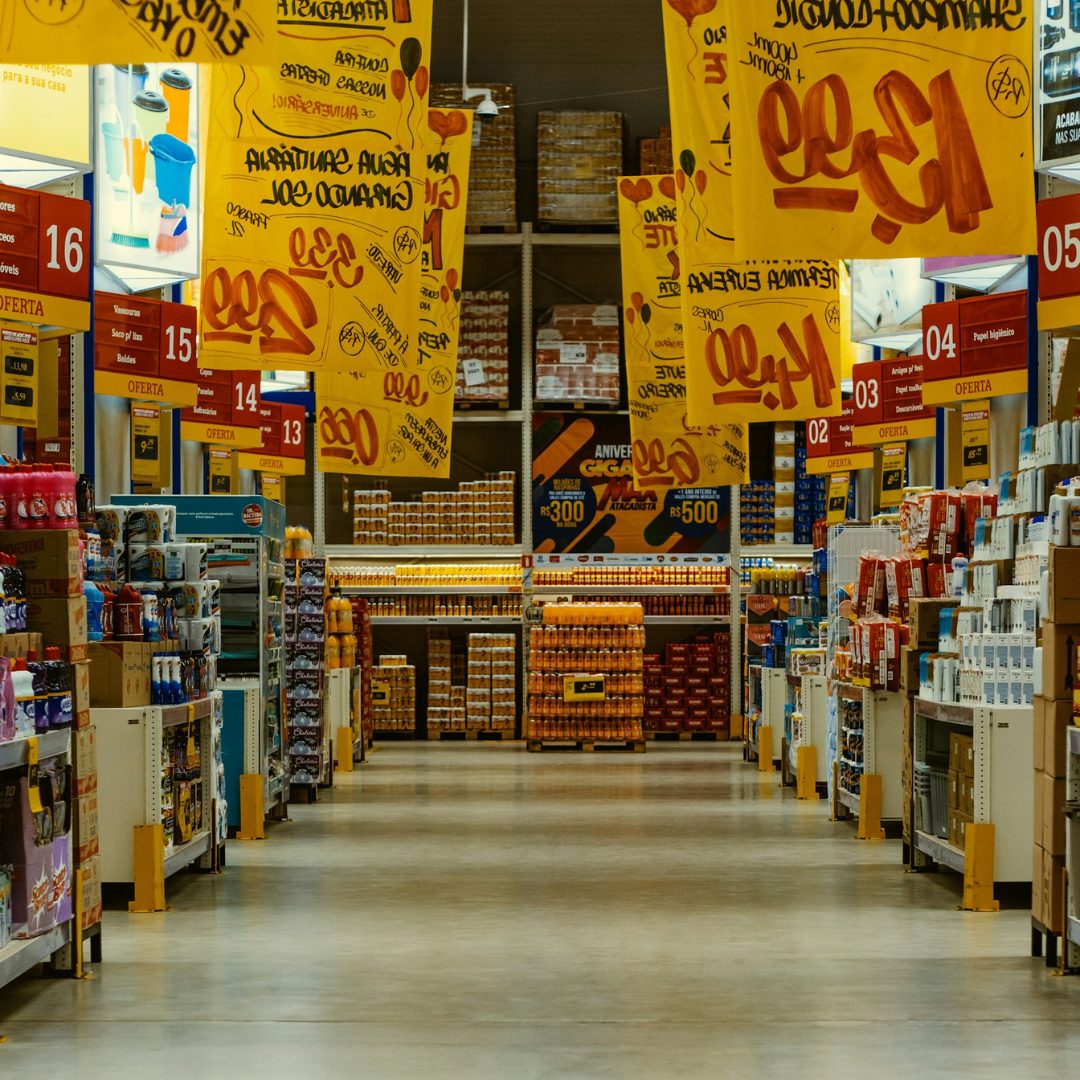
- The raised "regular" price. A dramatic percent off means little if the base price was inflated for the event. Compare against your buy price or another store's everyday price.
- The warehouse-size illusion. A promoted multipack can cost more per unit than the regular single, especially on paper goods and diapers. The unit price on the shelf tag settles it.
- Threshold chasing. Adding filler to reach a spending threshold converts a discount into extra spending, unless the filler was already on your list.
- Rewards you will not redeem. Earned rewards have real value only when spent before they expire. A promotion paid in currency you forget is smaller than advertised.
- Percent-off on a higher tier. Twenty percent off the premium brand can still cost more than the store brand at full price. Compare finals, not percents.
The One Calculation That Never Lies: Final Unit Price
Here is the whole skill in one habit. Before a promoted item goes in the cart, compute what one unit costs after everything: sale price minus coupons, minus the honest value of any rewards, divided by the number of units or ounces. Compare that number to your buy price for the item. Below your buy price, and it is a stock-up candidate. At your buy price, buy what you need. Above it, the promotion is a pass no matter how bright the sign is. Ten seconds, once it is a habit, and it is immune to every marketing trick in the aisle.

Frequently Asked Questions
Is buy one, get one 50% off the same as 50% off?
No. Buy one, get one free is fifty percent off per unit when you buy two. Buy one, get one fifty percent off means you pay full price for the first and half for the second, which works out to twenty-five percent off per unit. Not the same deal.
Do double coupon events still exist?
They are much less common than they were; many chains replaced them with digital promotions. Where they run, they are limited-time events with caps on value and quantity. Check the fine print for the doubling cap before planning around it.
How should I value a gift card earned in a promotion?
Near face value if it is for a store you shop weekly with a comfortable window to spend; less if it is restrictive or likely to be forgotten. Never count it as savings on items added only to reach the threshold.