Grocery Savings Without Coupons: 12 Habits That Stack Up
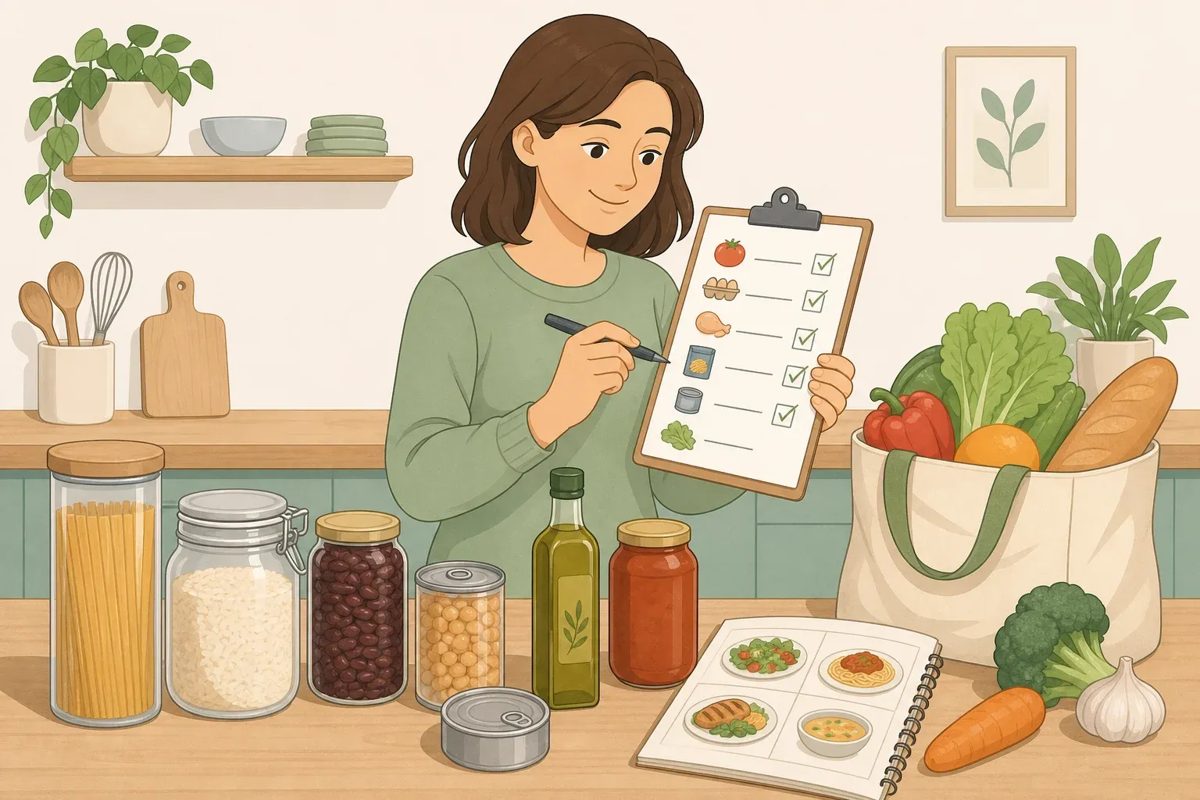
Not everybody wants to coupon, and honestly, some weeks I do not either. Between a teething baby and a Minnesota winter that will not quit, there are seasons when clipping anything feels like one task too many. Here is the encouraging secret I have learned from the moms who spend the least on groceries without ever touching a coupon: they are not lucky, and their stores are not cheaper. They run a handful of quiet habits that shave a little off every single trip, and a little off every trip beats a heroic coupon haul twice a year.
These twelve habits need no apps, no binder, and no Sunday inserts. They work at any grocery store, on any week, including the weeks when life is a lot. Adopt three and you will feel it. Adopt most of them and your grocery budget quietly changes shape.
Habits 1–4: Shop Your Kitchen First
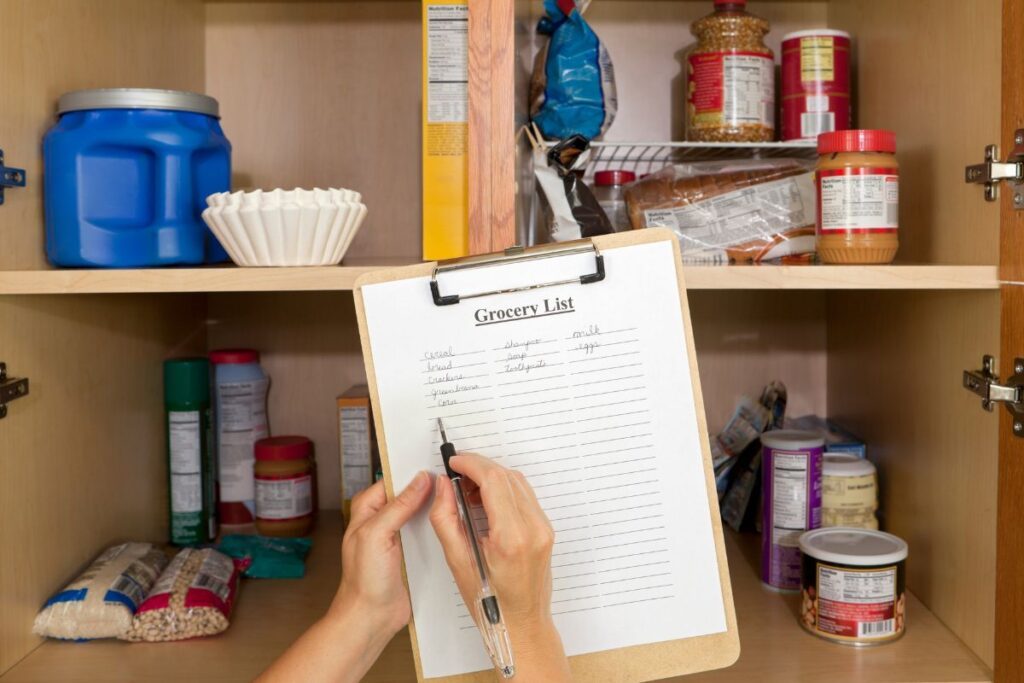
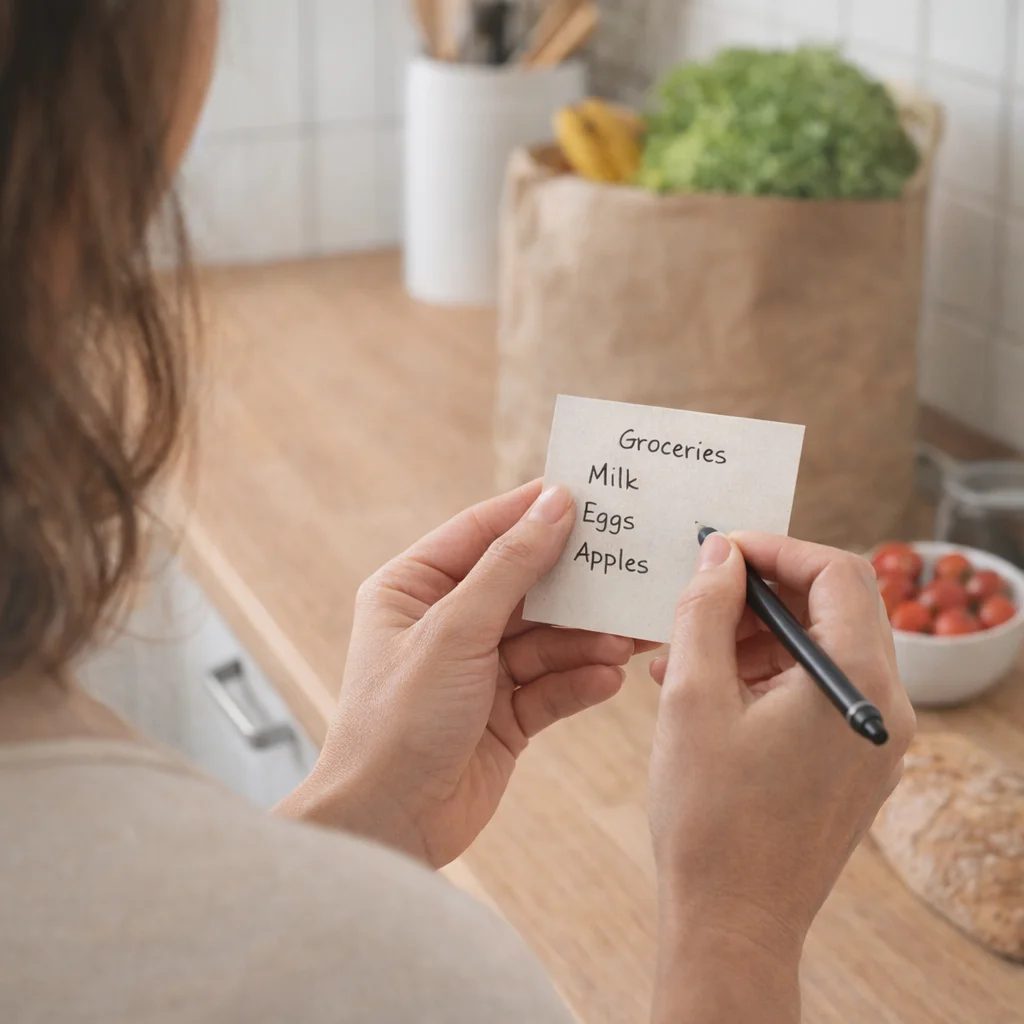
- Take inventory before you list. Five minutes in the pantry and freezer before you write the list prevents the classic double-buy: a third jar of pasta sauce behind the two you forgot you had.
- Meal plan from what you own. Build the week's dinners around the chicken in the freezer and the rice in the pantry, then shop only for the gaps. Planning from your shelves instead of from recipes can cut a trip's list by a third.
- Keep a running "eat first" list. A sticky note on the fridge for leftovers, the yogurt nearing its date, and the spinach with ambitions. Food you eat is savings; food you toss is the most expensive food you buy.
- Freeze like you mean it. Bread, shredded cheese, butter on sale, and last night's extra soup all freeze well. A freezer that works for you turns this week's sale into next month's dinner.
Habits 5–8: Read the Shelf Like a Pro
- Compare unit prices, not sticker prices. The small print on the shelf tag, price per ounce or per count, is the only honest comparison between sizes. Bigger is usually cheaper per unit, but not always, and the tag tells the truth in five seconds.
- Learn your store's markdown rhythm. Most grocery stores mark down meat, bakery, and dairy on a pattern, often in the morning and on specific days. Ask the meat department when they usually sticker markdowns; they will happily tell you, and shopping an hour after markdown time is a genuine strategy.
- Shop the perimeter, visit the middle with a list. Fresh staples live around the edges. The center aisles are where convenience pricing lives, so treat them as errands, not browsing.
- Weigh the store brand honestly. For staples like flour, oats, canned beans, frozen vegetables, and basic spices, store brands are frequently the same quality at a noticeably lower price. Try one swap a week and keep the ones nobody notices.
Habits 9–12: Small Systems That Add Up
- Shop once, with a list, after a snack. Every extra trip leaks money, and hungry shoppers buy with their eyes. One planned trip a week is both a budget habit and a sanity habit.
- Know your buy prices for ten staples. When you know what chicken, ground beef, eggs, milk, butter, cheese, rice, pasta, oats, and coffee usually cost per unit, you can spot a true sale instantly and stock up with confidence, no coupon required.
- Let one dinner a week be "pantry night." Pasta, eggs, frozen vegetables, and odds and ends become a flexible meal that empties shelves before anything expires. It is the cheapest dinner of the week and oddly satisfying.
- Check the receipt before you leave the parking lot. Pricing errors happen everywhere. A two-minute scan while the kids are buckled catches the mis-ringed item while fixing it is still easy.
The moms who spend the least are rarely the ones hunting hardest. They are the ones wasting the least and buying on purpose, week after ordinary week.
What This Looks Like on a Real Week
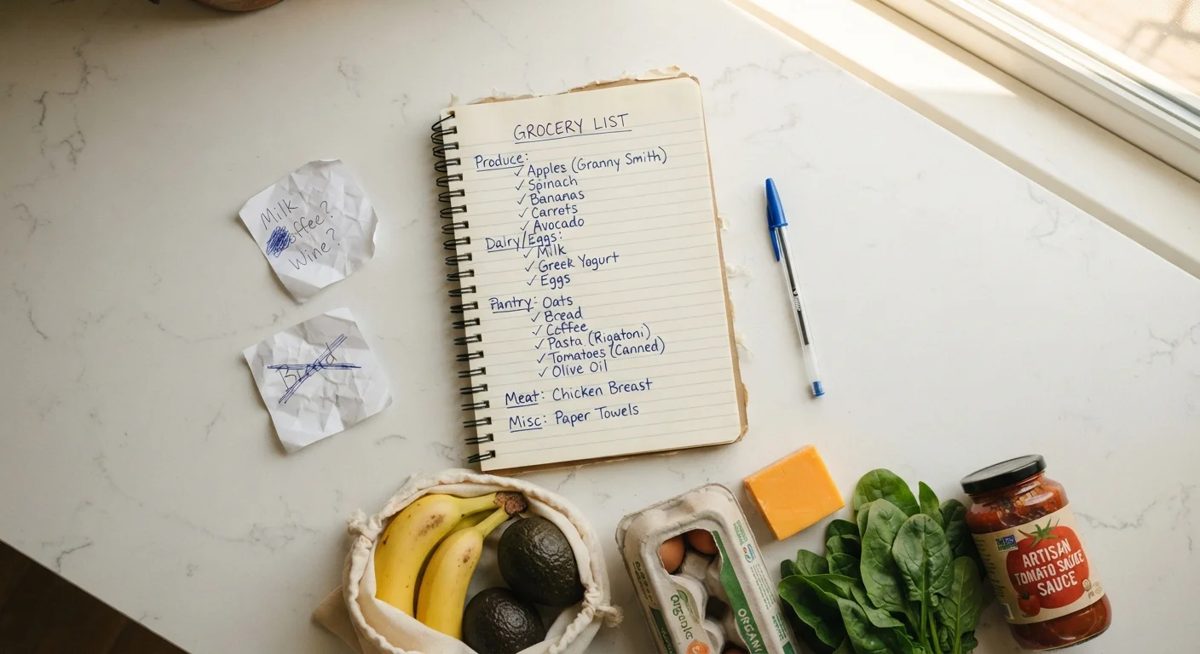
Let me make it concrete with a composite week from my own notebook. Our family of five typically spends around $220 to $240 on a full grocery week when I shop on autopilot. In a week where I run the habits, the same cart lands closer to $185 to $200, and nothing about the meals feels smaller. Where does the difference come from? Two dinners built from the freezer instead of new purchases saved roughly $18. Catching the morning meat markdowns saved about $9. Unit-price swaps on cereal, rice, and cheese saved around $7. Store-brand swaps on staples saved about $6. And pantry night replaced a takeout order we would absolutely have placed on Thursday, which is $30 that never left the account. None of those moves required a single coupon. They required five minutes of inventory, a list, and knowing my store's markdown hour.
Your numbers will differ, and that is fine. The point is the shape: lots of small, repeatable savings that survive busy weeks. A coupon system saves in bursts. These habits save in a steady line, and steady lines win budgets.
Frequently Asked Questions
Can habits like these really compete with couponing?
For groceries, often yes. Coupons are strongest on household and personal care items at drugstores, while fresh food, meat, and produce rarely have coupons at all. Markdown timing, unit pricing, and waste reduction attack the biggest part of the grocery bill, which is exactly where coupons are weakest.
Which habit should I start with?
The five-minute inventory before listing. It prevents duplicate purchases and shapes your meal plan around food you already paid for. Most moms see the difference in the very first trip, which makes it the easiest habit to keep.
How do I find out when my store marks down meat and bakery?
Just ask. Department staff will usually tell you the general schedule, since markdowns are routine work for them. Many stores sticker early in the morning, but patterns vary by location, so confirm at your own store and plan one weekly trip around it.