The Real Cost of "Free": Which Sample Offers Are Worth It
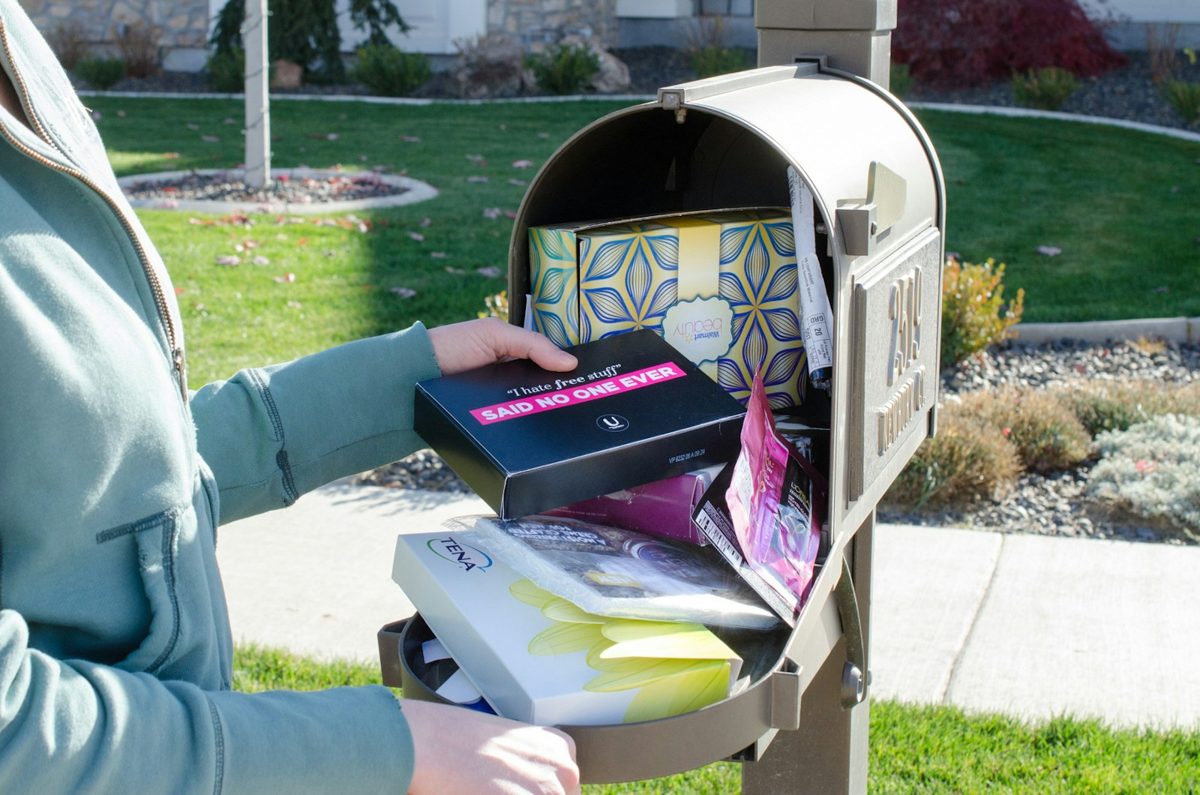
A package arrived at our house last month that I only half remembered ordering: a tiny tube of lotion, a single diaper in a size we no longer use, and a survey card asking about my "purchasing journey." It had cost me nothing but an email address and fifteen minutes of clicking, and it got me thinking honestly about the free-sample economy I have dipped into for years. Some of it is genuinely wonderful. Some of it is a data harvest wearing a party hat. This guide sorts the two, so your mailbox gets the good kind and your inbox stays out of the other kind.
The key mindset shift: "free" samples are never free for the company, and they are not free for you either. You pay in attention, information, and time. Sometimes that trade is squarely worth it. Sometimes it is not close. Here is how to tell the difference before you type your address.
How Sample Programs Actually Make Money
Legitimate sampling is advertising you can hold. A diaper brand would rather put one diaper on your baby than buy another banner ad, because a product that works sells itself at your next store trip. Retailers run welcome boxes and sample programs for the same reason: a small gift now, a loyal registry or account later. In these programs, you are the audience, the sample is the ad, and the economics are transparent enough. The murkier operations work differently. Their product is not lotion; it is your data. They collect names, addresses, emails, birth dates, and survey answers, then sell or trade the list. The "samples" in those funnels are vague, delayed, or fictional, because the sample was never the point. Once you see the two models side by side, the offers sort themselves surprisingly fast.
Worth It: The Categories That Genuinely Pay Off
- Baby brand welcome programs. Diaper and formula companies run the most generous legitimate sampling in the business, because winning a newborn's brand loyalty is valuable. Samples, high-value coupons, and welcome kits from the brand's own official website are the real deal.
- Registry welcome boxes. Major baby registries typically offer a welcome box of samples when you create a registry, sometimes with a small purchase or pickup step. It is a known program on a known retailer's site, which is exactly the profile to trust.
- Product testing panels run by brands themselves. Some manufacturers recruit testers through their own websites and social channels. Real panels are upfront about what you receive and never ask for payment or card numbers.
- Store and pharmacy sample programs. Beauty counters, warehouse club sample stations, and pharmacy trial programs tied to real retailers are low-risk and occasionally delightful.
- Coupon-and-sample mailers from brands you already buy. If you registered a product or joined a brand's list directly, its samples and coupons are usually the highest-value mail in the box.
Skip It: Red Flags of the Data Harvest
- "Pay only shipping" for a mystery freebie. A credit card number for a two-dollar shipping fee is the classic setup for a subscription you never agreed to. Legitimate samples do not need your card.
- The endless survey. Page after page of questions about your income, health, insurance, and other shopping, with the sample always one page away. That is a data funnel, and the sample is the bait, not the business.
- Too-good hauls from unknown sites. A full-size luxury product or a giant box of brand-name goods from a site you have never heard of, in exchange for "a quick review." Real brands sample in small sizes through their own channels.
- Pressure and countdown timers. Legitimate programs have quantities, but they do not need you panicking. Urgency is a sales tool pointed at your judgment.
- Anything asking for sensitive information. No sample on earth requires a Social Security number, banking login, or a photo of your ID. Close the tab.
Ask one question of every free offer: what does the company get if I say yes? If the answer is "a chance to win my next purchase," it is probably honest. If the answer is "my data, forever," the sample is not the product. You are.
Protect Your Inbox, Your Address, and Your Time
A few habits make sampling nearly risk-free. Use a dedicated email address for offers, so sample mail never buries school emails or buries your real inbox in promotional noise. Set a time price: if an offer takes more than five minutes of forms, the hourly wage on that sample is worse than it looks, and walking away is the savvy move. Read the checkbox page slowly, because pre-checked boxes agreeing to partner offers are where the spam floodgates open. And calibrate your expectations to reality: legitimate samples are trial sizes, they arrive on the company's schedule, sometimes six to eight weeks later, and they occasionally run out. The moms who enjoy sampling treat it as a small, pleasant lottery. The moms who get burned treated it as a promise.
One Minnesota-specific pleasure worth mentioning: local parenting groups and buy-nothing communities are full of sample swaps. The diaper samples in the wrong size for you are the right size for someone three streets over, and trading them costs nothing but a porch pickup. The sample economy works best when it stays a community, not a funnel.
Frequently Asked Questions
Are free sample sites ever legitimate?
Yes, when the offer comes from the brand's or retailer's own official website: baby brand welcome programs, registry boxes, and manufacturer testing panels are real. The further an offer sits from an official brand channel, and the more personal data it demands, the more skeptical you should be.
Why do some samples take so long to arrive?
Legitimate programs ship in batches and often run out of stock mid-promotion, so four to eight weeks is common and not a warning sign by itself. A sample that never arrives after you completed an endless survey, on the other hand, usually means the survey was the point.
What information is safe to give for a sample?
A name, a mailing address, and a dedicated email address are the normal cost of a legitimate sample. Birth month for age-appropriate offers is common in baby programs. Never give payment details, Social Security numbers, or banking information; no genuine sample program needs them.