Stockpiling for Families: What to Buy in Bulk (and What Not To)
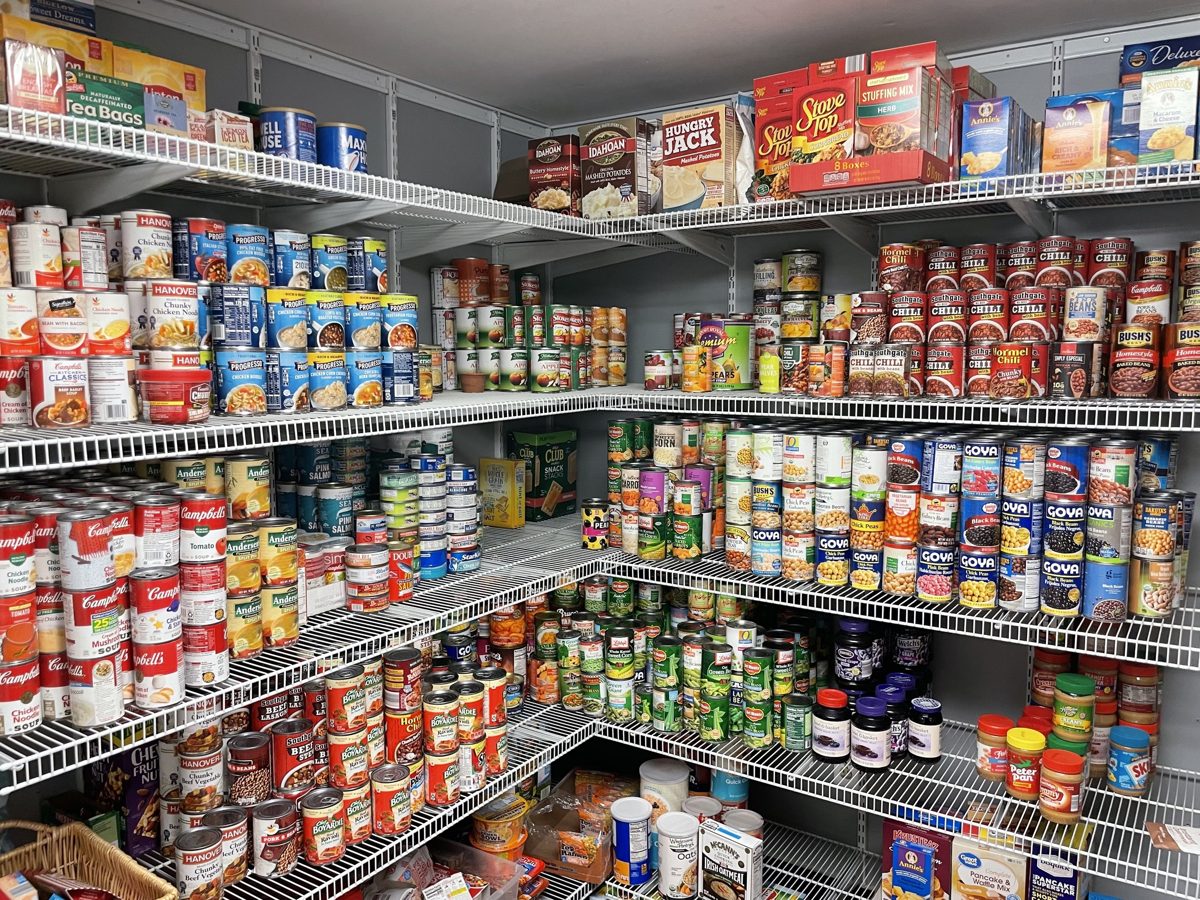
There are two kinds of Minnesota moms in January. The first kind is at the store during a blizzard warning, in a line twenty carts deep, buying toilet paper at panic prices. The second kind is at home, watching the snow, because her garage shelf has a quiet month of basics waiting. The difference is not a warehouse membership or a coupon binder. It is a modest, deliberate stockpile: a small reserve of the right things, bought on sale during calm weeks, rotated so nothing expires. Done badly, stockpiling is a closet of regrets. Done the way this guide lays out, it is one of the calmest money habits a family can build.
The rule underneath everything: stockpile what your family uses at a predictable rate, in quantities matched to how long it stores. Every category below is judged by that rule, including the tempting ones that fail it.
The Stockpile Sweet Spot: Buy Ahead, Not Forever
A family stockpile is not a bunker. For most households, the sweet spot is four to twelve weeks of a staple: enough to ride out the gap between sales cycles, which for most household goods run about six to eight weeks, and enough to skip a panic-priced purchase entirely. More than that and you start paying in storage space, expired products, and money sitting on a shelf instead of in your account. Storage itself matters in our climate: a cool, dry spot beats a humid basement corner or a garage that swings from January cold to July heat, because temperature swings shorten the life of everything from batteries to detergent pods.
Buy the stockpile from sales, not from a single giant trip. When your buy-price item appears on a good promotion, buy the cycle's worth instead of one. The shelf builds itself over a month or two of ordinary shopping, at ordinary effort, which is exactly why the habit survives.
Always Worth Stocking: The Reliable Categories
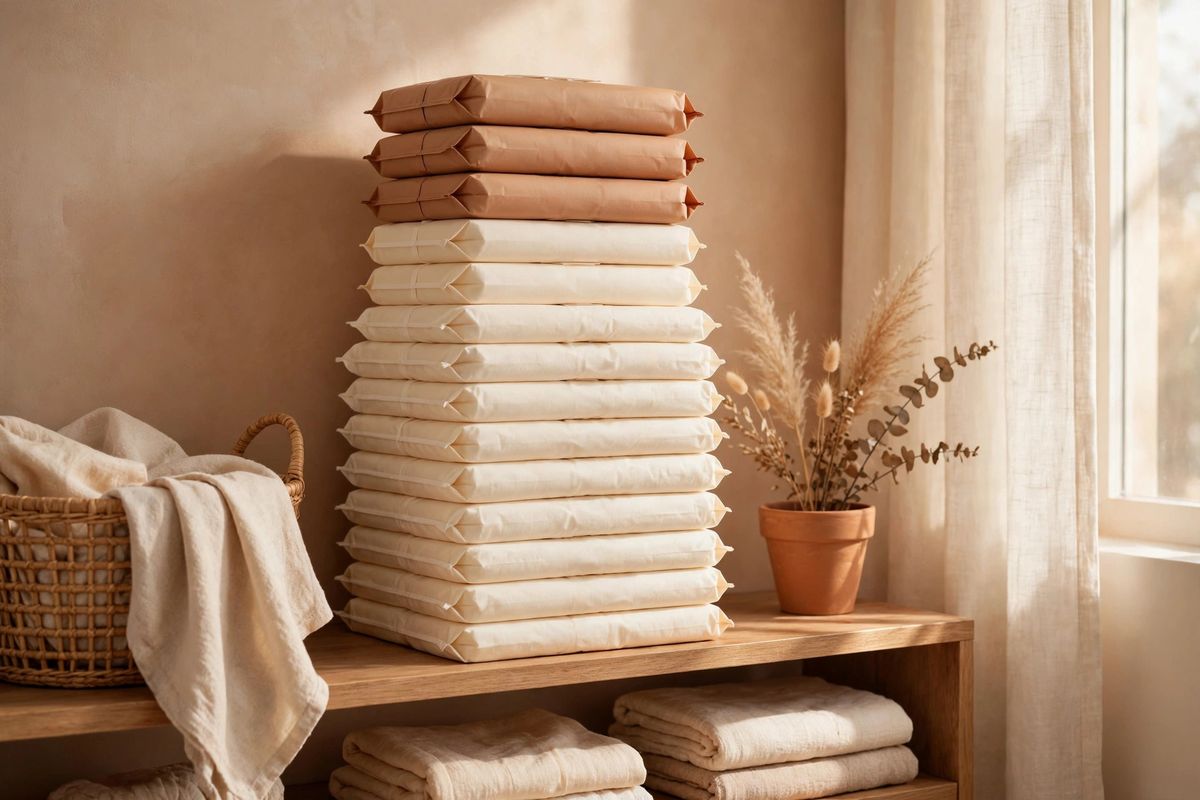
- Diapers, one size up. Babies grow in one direction. Stocking the current size and the next size during baby category sales is the closest thing to guaranteed savings in family life. Keep receipts and do not open every box; unopened boxes in a size you overshot can often be exchanged.
- Wipes, toilet paper, and paper towels. They store for years, never go out of style, and are miserable to buy at full price in an emergency. Watch unit price per count or per sheet, because package sizes are designed to confuse.
- Laundry detergent and dish soap. Long shelf life, constant use, frequent promotions. Liquid detergent keeps well for many months stored cool and sealed.
- Toothpaste, shampoo, body wash, and bar soap. The drugstore deal cycle makes these nearly free at their best weeks. A shelf of them bought on promotion is a tiny bank.
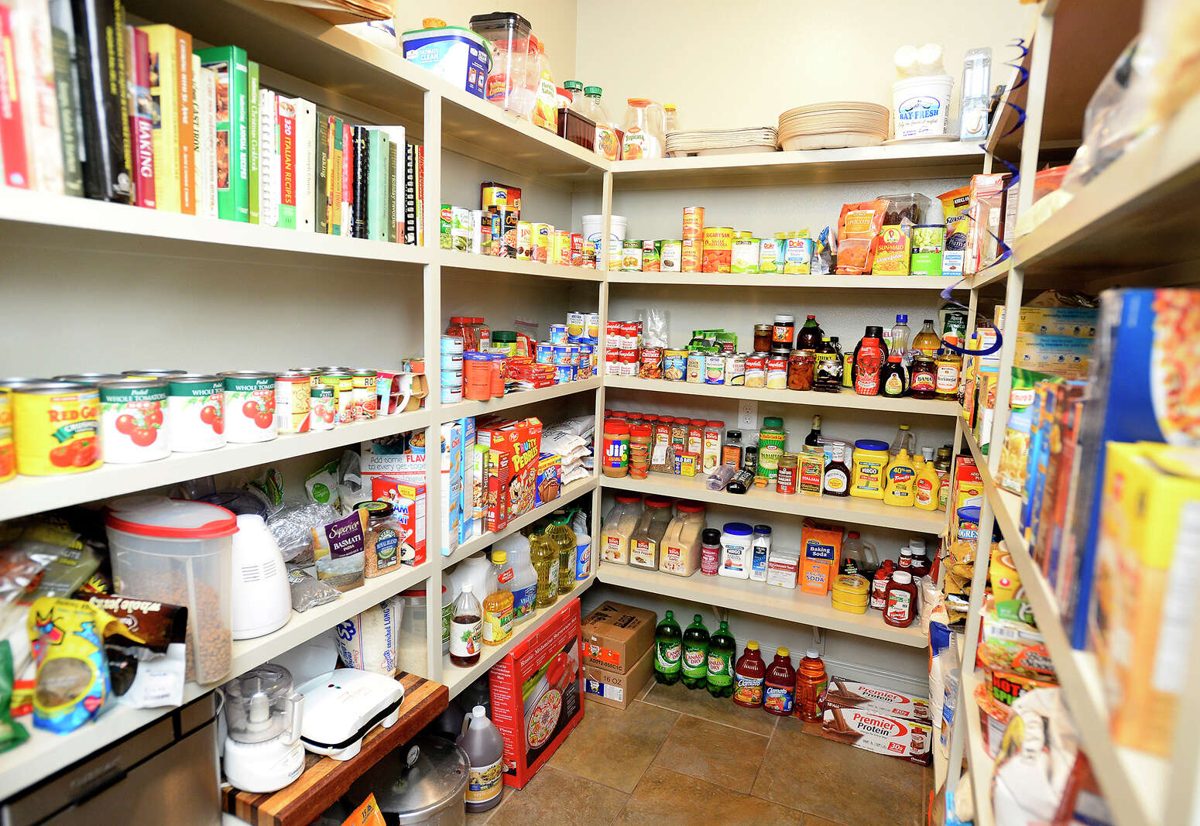
- Shelf-stable pantry anchors: rice, pasta, oats, canned beans and tomatoes, peanut butter. Bought on sale and rotated, they turn a snow day or a sick week into a non-event.
- Freezer proteins bought at their sale rhythm. Chicken, ground beef, and butter freeze beautifully for months and anchor dozens of meals.
Never Worth Stocking: The Tempting Mistakes
- Milk, eggs, and fresh produce beyond the week. Perishables do not care how good the sale was. A stockpile that spoils is a donation to the compost.
- The trendy snack your kids begged for once. Children's enthusiasms have a half-life of about three weeks. A case of anything flavor-of-the-month is a monument to optimism.
- Sunscreen and medications in bulk. Both carry real expiration dates, and sunscreen loses strength with age and heat. Buy the season's amount, check dates, and let the pharmacy handle the rest.
- Baby formula beyond a few weeks. Dates, changing needs, and storage rules make deep stocking a poor fit. A few weeks on promotion is the sensible ceiling, as covered in our formula savings guide.
- Cleaning fads and scented everything. The lavender-pine limited edition at clearance is still there at clearance because nobody needed it. Scents fade; basics endure.
A stockpile should read like your family's greatest hits on repeat, not like a museum of every sale you ever met.
Rotation: First In, First Out, and the Marker Trick
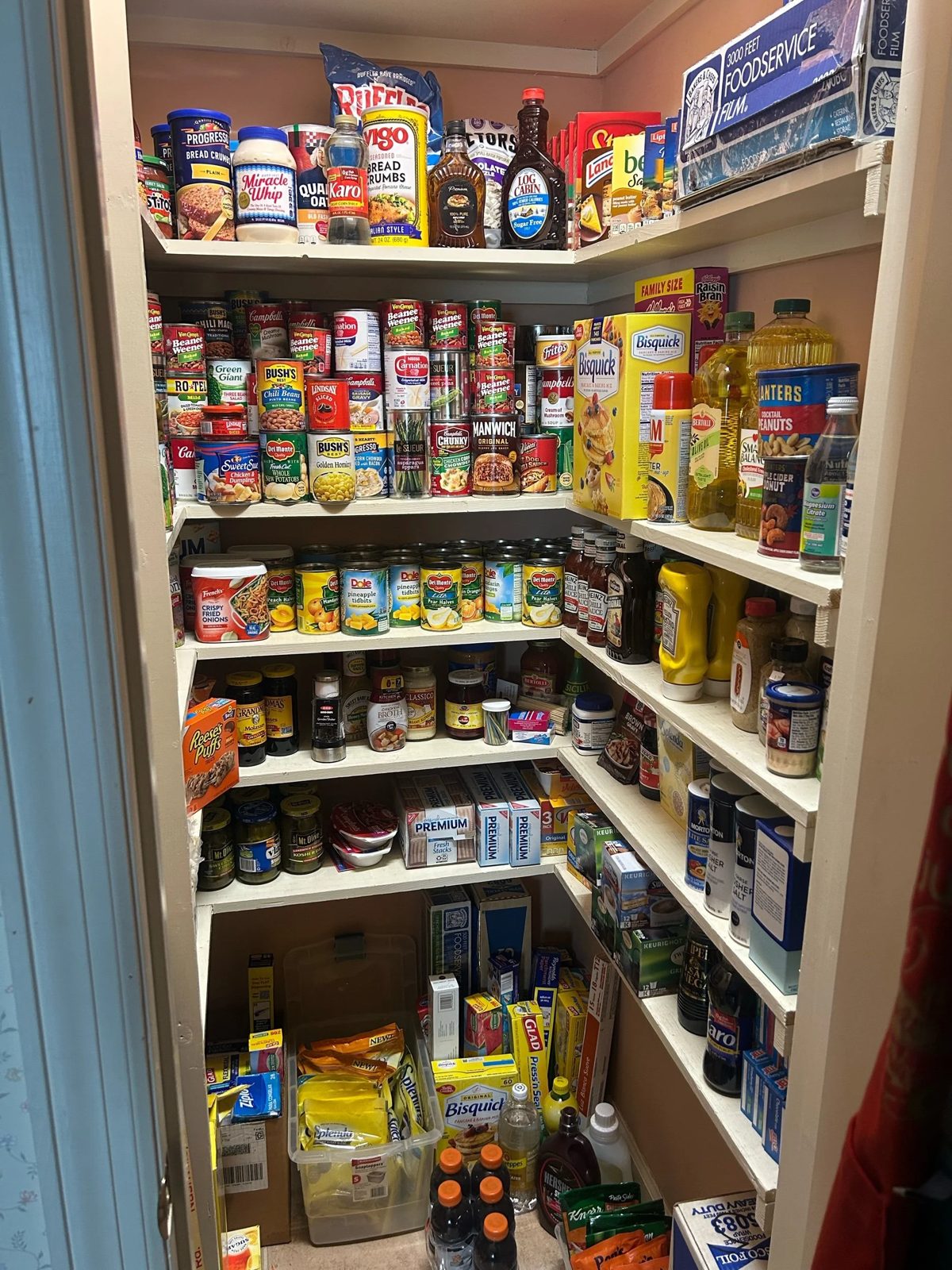
The whole system stands or falls on rotation. The rule is first in, first out: new purchases go behind or beneath the old, and you always take from the front. Make it effortless with the marker trick. Keep a permanent marker wherever the stockpile lives and write the month and year of purchase on every package as it joins the shelf: 11/26 on the detergent, the rice, the toothpaste. One glance tells you what is aging, what to use next, and what you have too much of, which quietly prevents the next overbuy. Once a month, do a two-minute shelf scan: pull anything within a month of its date to the front of the kitchen or bathroom where it will be used first, and note gaps for the next sale cycle. That is the entire maintenance program. Two minutes, monthly, marker always in the same spot.
How Much Is Enough? A Simple Formula
For any staple, take your family's weekly use, multiply by the number of weeks until the item's typical sale returns, usually six to eight, and let that be your shelf target. A family using one roll of paper towels a week needs about eight on the shelf, not forty. A baby going through a sleeve of diapers a week needs the cycle's worth in the current size, plus one box up. When a promotion beats your buy price, fill to the target, then stop, even if the deal is thrilling. Stopping is a skill. The moms with the calmest shelves are not the ones who buy the most on sale; they are the ones who know their number and trust it.
Frequently Asked Questions
How much money should a family stockpile tie up?
For most families, a working stockpile of household basics represents a few hundred dollars of products bought gradually at sale prices, not a single large purchase. Build it over one or two sale cycles from your normal budget. If the shelf's value makes you wince, you stocked too deep; the goal is calm, not inventory.
Where should I store a stockpile in a small home?
Wherever it is cool, dry, and visible enough to rotate: a linen closet shelf, under-bed bins for paper goods, the top of a laundry cabinet. Visibility matters more than size, because a stockpile you can see is a stockpile you rotate. Avoid hot garages and damp basement corners for anything with a date on it.
What do I do when I overbuy something anyway?
Use it first, gift it, or donate it while it is still in date. Unopened toiletries and shelf-stable foods are welcome at food shelves and donation bins, and an overstock given away on time beats an overstock thrown away late. Then adjust your target number down. The system learns.