Baby Carriers vs Wraps vs Slings: Which Should You Buy First?
Last January I watched a dad at the Mall of America do the full Minnesota shuffle: baby strapped to his chest, toddler by the hand, coffee somehow still upright, all while wearing a parka he could not quite zip. He looked calm, and his secret was a carrier that fit him well. Meanwhile I had a drawer at home with a wrap I adored, a sling I never mastered, and a structured carrier my husband claimed as his own. Each one earned its place at a different age, and that is the real answer to the carrier question: it depends on your baby, your body, and your day.
Carriers, wraps, and slings all keep your baby close, support bonding, and free your hands, but they differ in learning curve, support, and how long they stay comfortable. Below is the honest comparison I give friends in my Eagan moms group, including weight limits and hip-healthy positioning, so you can buy in the right order instead of buying everything at once.
Stretchy and Woven Wraps: Best for the Newborn Weeks
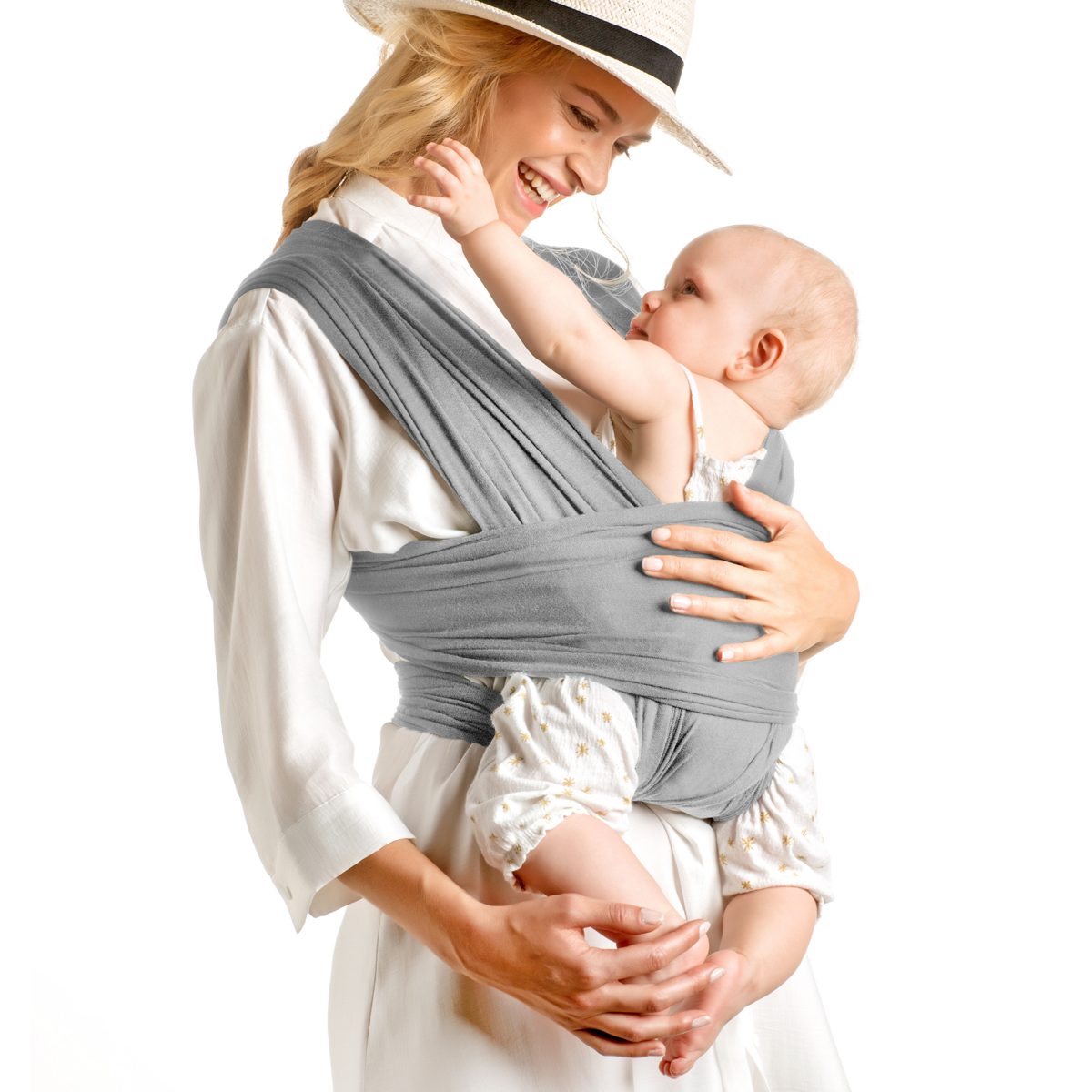
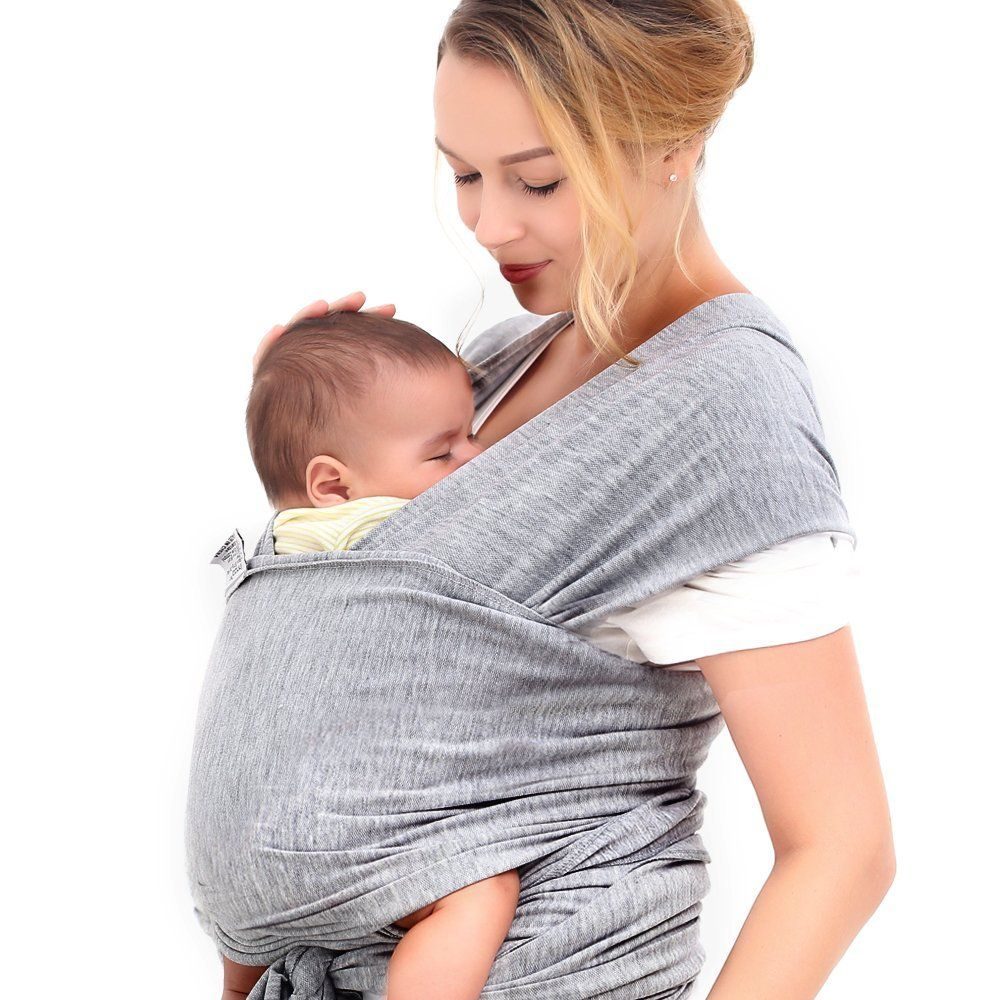
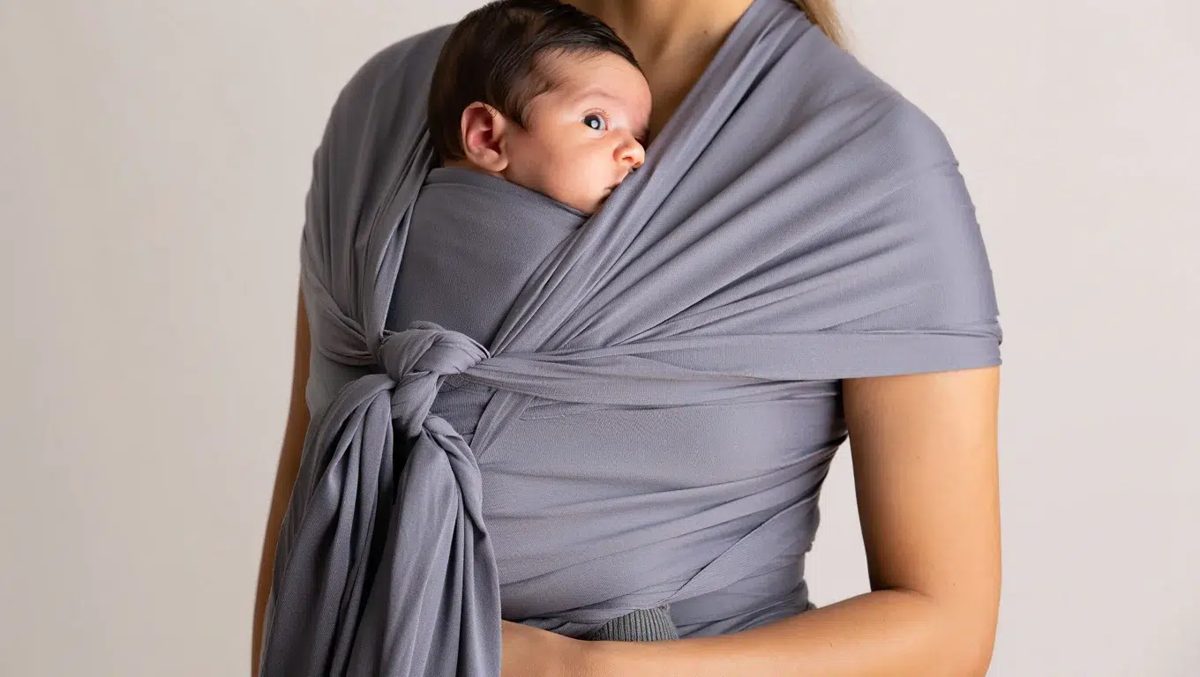
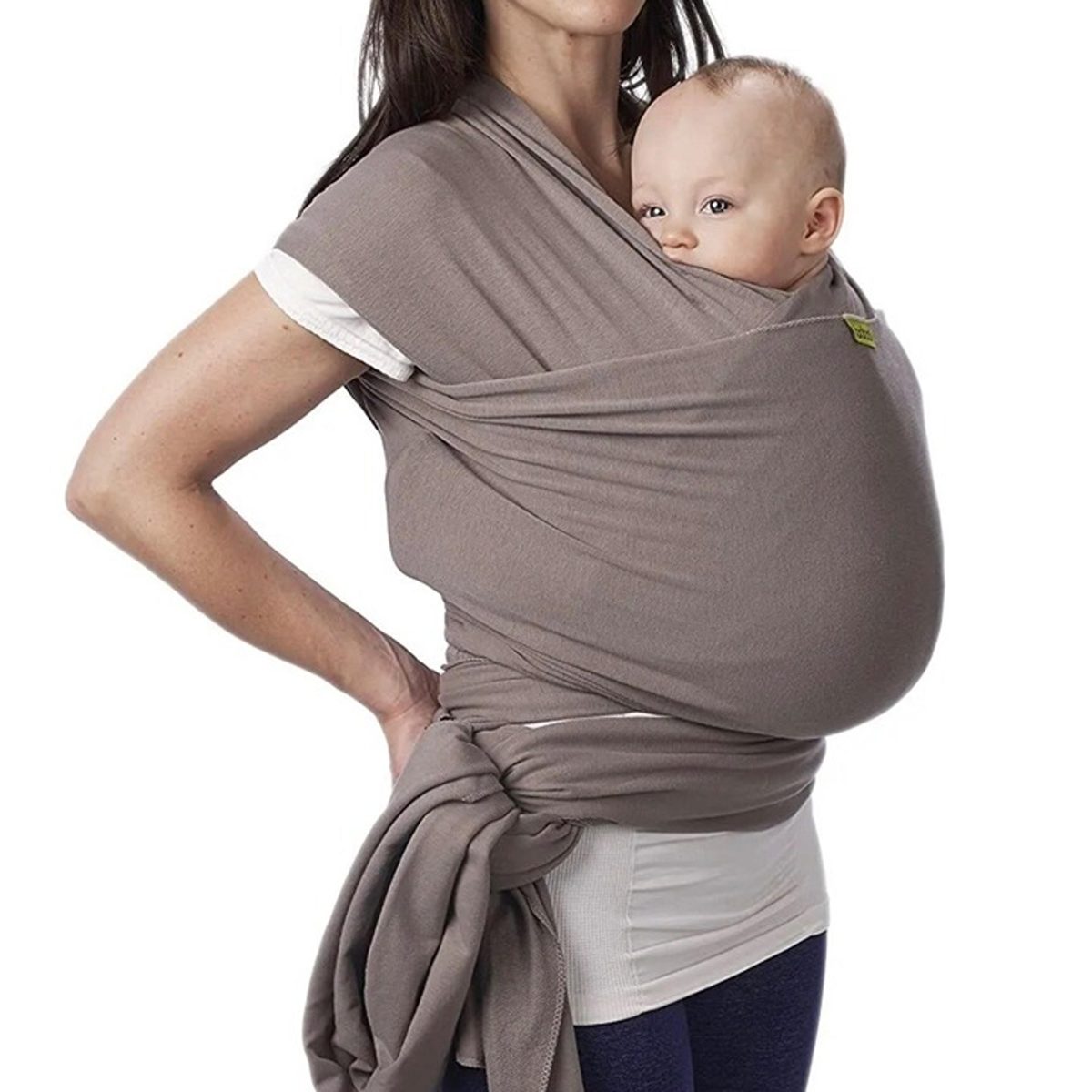
A stretchy wrap is one long piece of soft fabric, usually around five yards, that you tie around your torso to create a snug pouch. For newborns, especially small ones, nothing mimics the womb quite like it, and many fussy evening babies settle within minutes of being wrapped. Most stretchy wraps work from about eight pounds and stay comfortable until fifteen to eighteen pounds, when the fabric starts to sag and bounce as your baby grows.
Woven wraps are less stretchy, far more supportive, and can carry toddlers on your back, but they have the steepest learning curve of any option. Expect to practice with a doll or over a bed a few times. Wraps shine for long, cozy carries at home and walks, and they fit every body size because you tie them fresh each time. Their downside in Minnesota is real: long tails dragging through slushy parking lot snow while you tie up outside the car.
Ring Slings: Quick Ups and Downs
A ring sling is a shorter length of fabric threaded through two rings, worn over one shoulder. Its superpower is speed: pop a baby in for a daycare drop-off, a quick grocery run, or an older baby who wants up, down, and up again. Most slings are rated from about eight to thirty-five pounds, and they pack down to almost nothing in a diaper bag.
Because the weight rides on one shoulder, slings are better for shorter carries than for hour-long hikes, and there is a real learning curve to keeping the fabric spread wide across your back and the rings positioned high. Slings are lovely for hip carries once your baby has good head and trunk control, usually around four to six months. For newborns, keep the chin off the chest and the face visible, and check breathing often in those early weeks.
- Best for: Errands, quick carries, hip carries, and warm houses where layers feel like too much.
- Watch out for: One-shoulder strain, uneven fabric, and a learning curve with the rings.
- Typical range: About 8 to 35 pounds, depending on the maker.
Structured Carriers: The Long-Haul Workhorse
A soft structured carrier has padded straps, a waist belt, and buckles, like a small backpack you can wear on your front or back. This is the carrier most families use longest. Many models carry from seven or eight pounds, often with an infant insert or adjustable seat, up to forty-five pounds or more, covering you from the newborn stage through toddlerhood. Back carrying usually starts around six months, once your baby sits with minimal help.
Structured carriers distribute weight across both shoulders and your hips, so they are the comfortable choice for long walks, travel days, and bigger babies. They are also the easiest for partners and grandparents to share, since buckles adjust in seconds. The trade-offs are bulk, a higher price, and more heat in summer, though mesh-panel versions help during humid Minnesota Julys.
- Front carry, facing in: The default for newborns and young babies.
- Front carry, facing out: Only for babies with strong head control, for short stretches, and never for sleeping.
- Hip carry: Handy around five to six months for curious babies.
- Back carry: Best for heavier toddlers, hiking, and getting chores done safely away from stove heat.
Hip Safety and Comfort Checks for Every Type
Whichever style you choose, safe positioning looks the same. Your baby's face should be visible and kissable, chin off the chest, with the airway clear. Look for a deep seat where your baby's bottom sits lower than the knees, with thighs supported and hips spread in a natural M shape. The International Hip Dysplasia Institute notes that positions supporting the thighs and allowing the hips to bend and spread are healthier, especially in the first six months.
Use the word T.I.C.K.S. as a quick check: Tight, In view at all times, Close enough to kiss, Keep chin off chest, and Supported back.
Comfort counts for you too. If a carrier leaves you with numb shoulders or back pain after twenty minutes, refit it or try another style; small adjustments like lowering the waist belt or tightening the chest strap change everything. This is general information, not medical advice, so ask your pediatrician about carrying if your baby was premature, has hip concerns, or has any medical condition.
What to Buy First: A Simple Order
If your budget allows one purchase for a newborn, start with a stretchy wrap or a beginner-friendly structured carrier with an adjustable newborn seat. If you can plan for two, pair a stretchy wrap for the first four months with a structured carrier that will last through toddlerhood; that combination covers nearly every situation. Add a ring sling later only if your life involves lots of quick carries, which, with a second child, it very well might.
Frequently Asked Questions
Can I use one carrier from newborn through toddler?
Yes, many adjustable structured carriers are designed to do exactly that, often from about seven pounds to forty-five pounds. Check whether the seat width adjusts for a small newborn and whether an insert is required. A single carrier is the simplest, most budget-friendly route for many families.
Is babywearing safe for naps?
Babies often nap in carriers, and that is common during supervised, awake-parent time when you can keep the airway visible and the chin off the chest. A carrier is not a substitute for a flat, bare sleep space for unsupervised sleep. Move a sleeping baby to a crib or bassinet when you need to rest yourself.
How long can my baby stay in a carrier at once?
There is no single official limit for healthy babies, but take breaks about every hour or two to change position, feed, and check circulation in little legs. If your baby seems uncomfortable or your own back protests, that is your cue. Ask your pediatrician for guidance tailored to your baby.