Sunscreen for Kids: How to Choose It and Actually Get It On
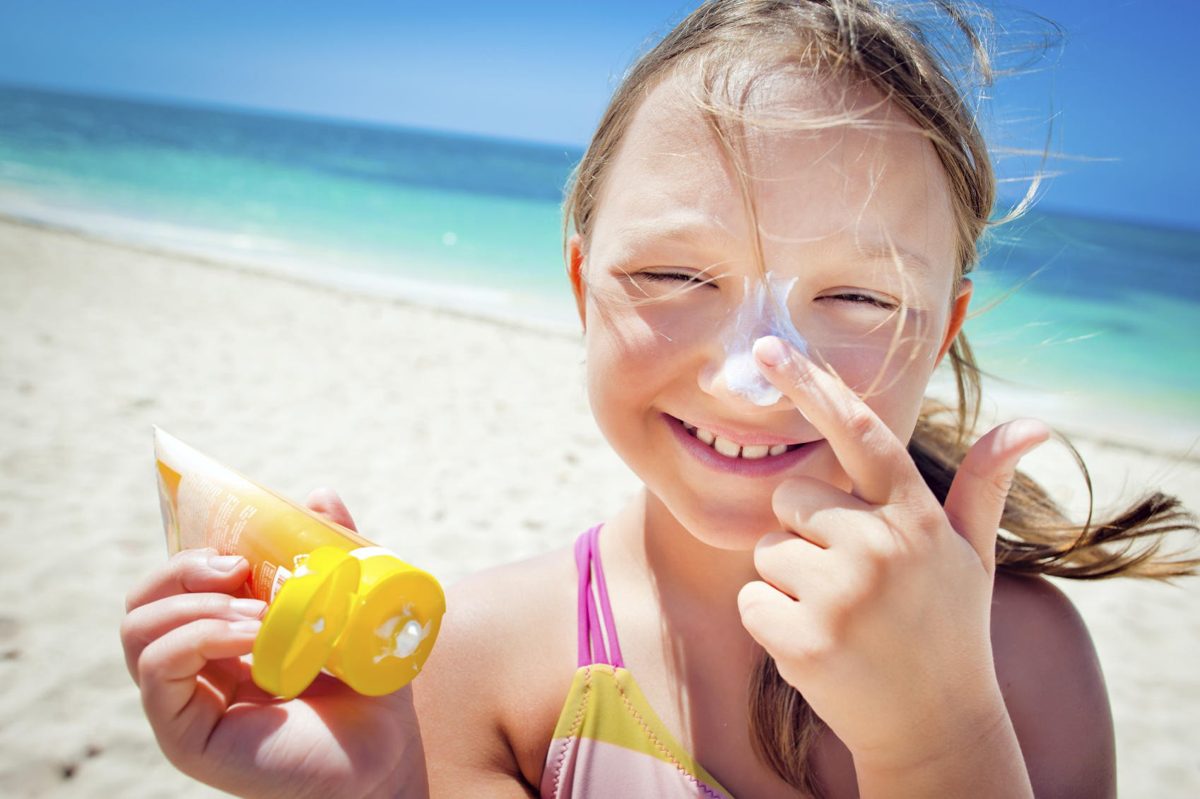
Last June I stood in our driveway in St. Paul with a sunscreen bottle in one hand and a two-year-old who had suddenly turned into an octopus in the other. She wanted the lake. She did not want the lotion. My older son was already halfway to the sprinkler, half white with the streaks I had managed to land, and I remember thinking that sun protection should not require an advanced degree and a wrestling background. It does not, once you know a few basics. Minnesota summer is short and glorious, so sunscreen is not a beach-only thing here. It is a daily habit, like bug spray and water bottles.
This is general information only, not medical advice. If your child has eczema, a sun allergy, or a reaction to a product, check with your pediatrician or dermatologist for personal guidance.
What SPF and Broad Spectrum Really Mean
SPF stands for sun protection factor, and it mostly measures protection against UVB rays, the ones that cause sunburn. Broad spectrum means the product also protects against UVA rays, which go deeper and contribute to skin damage over time. For kids, look for both words on the label: broad spectrum and SPF 30 or higher. SPF 30 blocks about 97 percent of UVB rays when applied correctly, and SPF 50 blocks about 98 percent. That small difference matters less than applying enough and reapplying on time.
Higher is not automatically better. An SPF 100 applied too thin protects less than an SPF 30 used well. No sunscreen is waterproof; labels say water resistant for 40 or 80 minutes. For babies under six months, shade and clothing come first, and any sunscreen use should follow your pediatrician's advice.
- Choose broad spectrum SPF 30 to 50 for everyday play, sports, and lake days.
- Check the expiration date each spring, because old sunscreen loses strength.
- Look for water resistant 80 minutes if your kids will be swimming or sweating heavily.
- Keep a hat and rash guard in the mix so sunscreen is not doing all the work alone.
Mineral vs. Chemical Sunscreen for Kids
Mineral sunscreens use zinc oxide or titanium dioxide. They sit on top of the skin and reflect and scatter UV rays, and they start working as soon as you apply them. They are a popular choice for babies, sensitive skin, and faces because they tend to be gentler. The trade-off is texture: they can feel thicker and leave a white cast, though newer tinted and sheer formulas are much better than the chalky versions many of us remember.
Chemical sunscreens use ingredients such as avobenzone and octocrylene that absorb UV rays. They rub in easily and feel lighter. They need fifteen to twenty minutes to become effective, so apply before you leave the house. Sprays are easy to under-apply in wind, so spray generously, rub it in, and never spray directly on a child's face.
The best sunscreen is the one your child will tolerate every day. Many families keep a mineral stick for faces and ears, a lotion for bodies, and a spray only as a backup, always rubbed in.
How Much to Use and How Often to Reapply
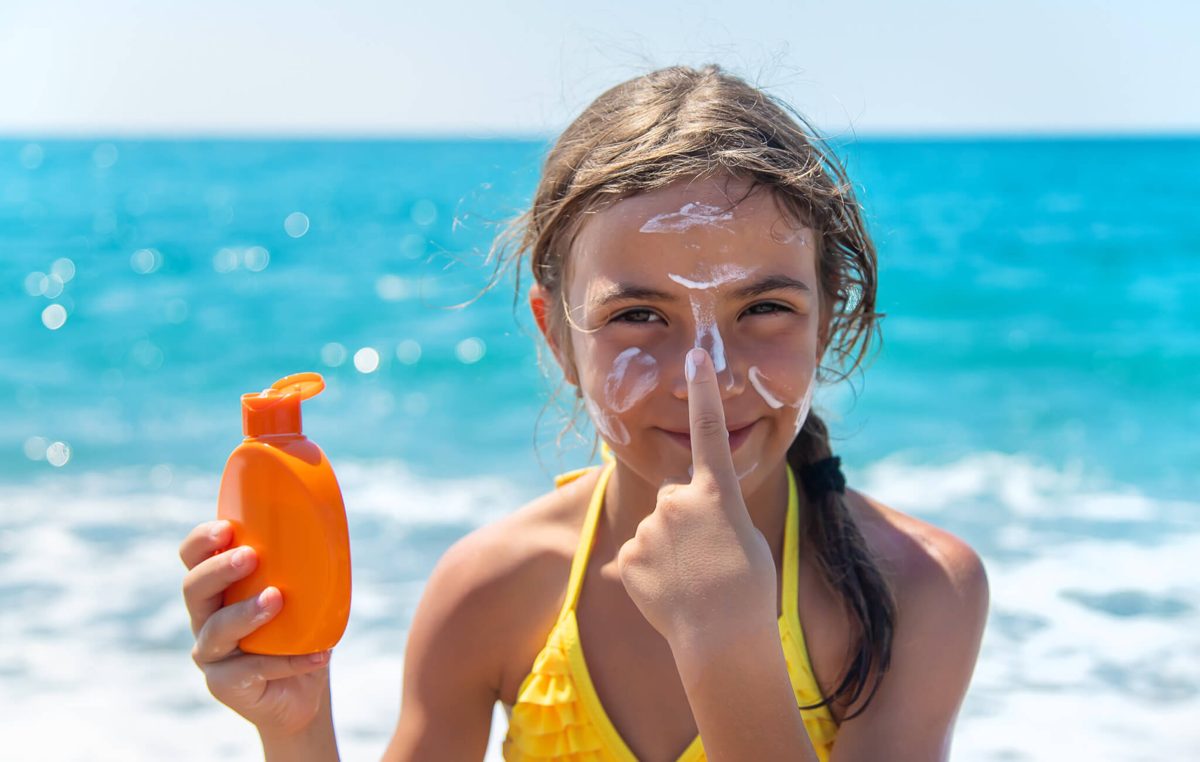
Most of us use far too little. For an adult, the common guide is about one ounce, a shot glass full, for the whole body. For children, scale to body size, but be generous. A helpful method for faces and arms is the two-finger rule: squeeze a line of sunscreen along your index and middle fingers, and that amount covers one area such as the face and neck, or one arm. Repeat area by area rather than trying to stretch a pea-sized dot everywhere.
- Apply 15 to 20 minutes before going out for chemical formulas, and right before for mineral if needed.
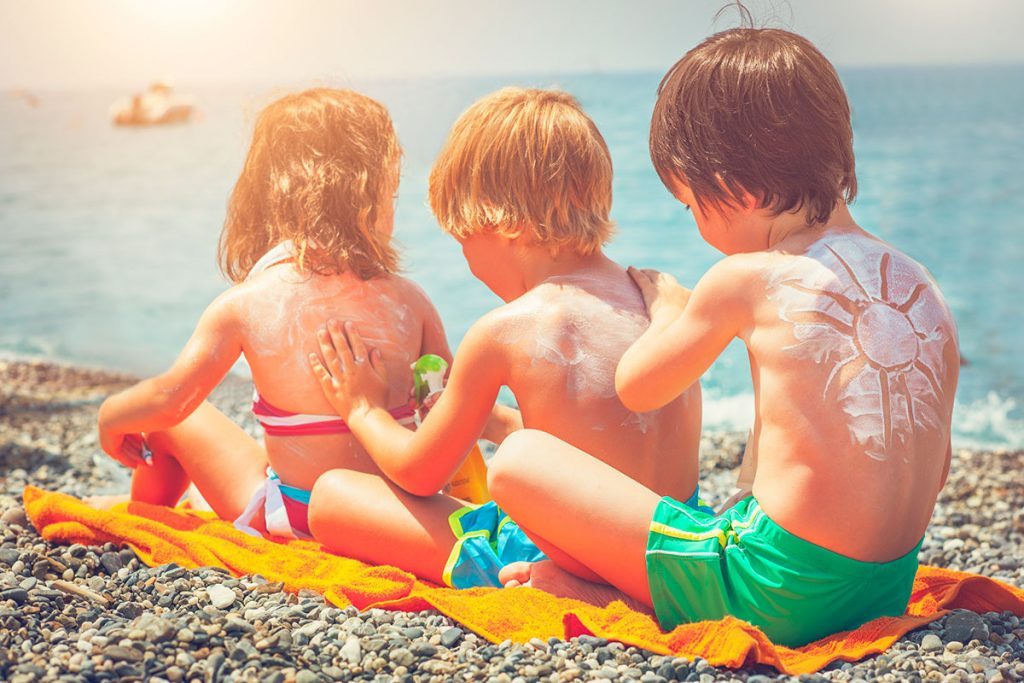
- Cover the forgotten spots: ears, back of the neck, tops of feet, behind knees, and along swimsuit edges.
- Reapply at least every two hours outdoors, even on cloudy days, because UV passes through clouds.
- Reapply sooner after swimming, toweling off, or heavy sweating, following the water resistance time on the label.
- Use lip balm with SPF 30 for older kids who will keep it on, and reapply after eating and drinking.
Set a phone timer at the lake. Two hours disappears fast, and sunburn often shows up hours later, at bedtime, when it is too late to fix that day.
Tricks for Kids Who Hate Sunscreen
Resistance is normal. Sunscreen is cold, it smells funny to a toddler, and it delays the fun. Make it part of the leaving-the-house routine, in the same order every time: shoes, hat, sunscreen, go. Apply indoors where there are fewer distractions, and let your child hold a toy or watch a short song video while you work quickly and calmly.
Let them paint you first. A toddler who gets to dab sunscreen on Mom's arm suddenly minds it a lot less on her own cheeks.
Give limited choices: lotion or stick for your face? Do your arms yourself or should I help? Older toddlers love a mirror so they can see the white streaks disappear as they rub. For sensory-sensitive kids, test textures on a small patch first; gels, sticks, and whipped foams all feel different. Calm, fast, and predictable beats a chase around the yard, and you can quietly touch up missed spots once they are settled in the stroller or car seat.
Sun Safety Beyond the Bottle
Sunscreen works best as part of a team. Seek shade between 10 a.m. and 4 p.m. when UV is strongest, especially for babies. Dress kids in lightweight long sleeves or UPF clothing for long days at the fair, the farmers market, or the ball field. Wide-brim hats protect ears and necks better than baseball caps alone. Sunglasses with UV protection help young eyes, and a pop-up shade tent gives toddlers a home base at the beach. Keep babies under six months mostly in shade with breathable clothing covering arms and legs.
Finally, check skin regularly for new or changing moles. Early habits stick: a child who grows up thinking sunscreen is just what we do before the lake will carry that routine into the teen years. Start simple, stay consistent, and enjoy every sunny Minnesota week you get.
Frequently Asked Questions
What SPF should I buy for my child?
Choose a broad spectrum sunscreen with SPF 30 to 50 for most days outdoors. Apply it generously and reapply every two hours and after swimming. A higher SPF does not replace reapplication or shade.
Is mineral sunscreen safer for babies and toddlers?
Mineral formulas with zinc oxide or titanium dioxide are often preferred for young and sensitive skin because they sit on the skin and work immediately. For babies under six months, prioritize shade and clothing and ask your pediatrician before regular sunscreen use.
Can I use last summer's sunscreen?
Check the expiration date first, and toss it if it has expired, separated, changed color, or smells off. Sunscreen stored in a hot car or garage all winter may lose effectiveness sooner. When in doubt, replace it each spring.