Family Road Trip Gear: Keeping Toddlers Happy in the Car
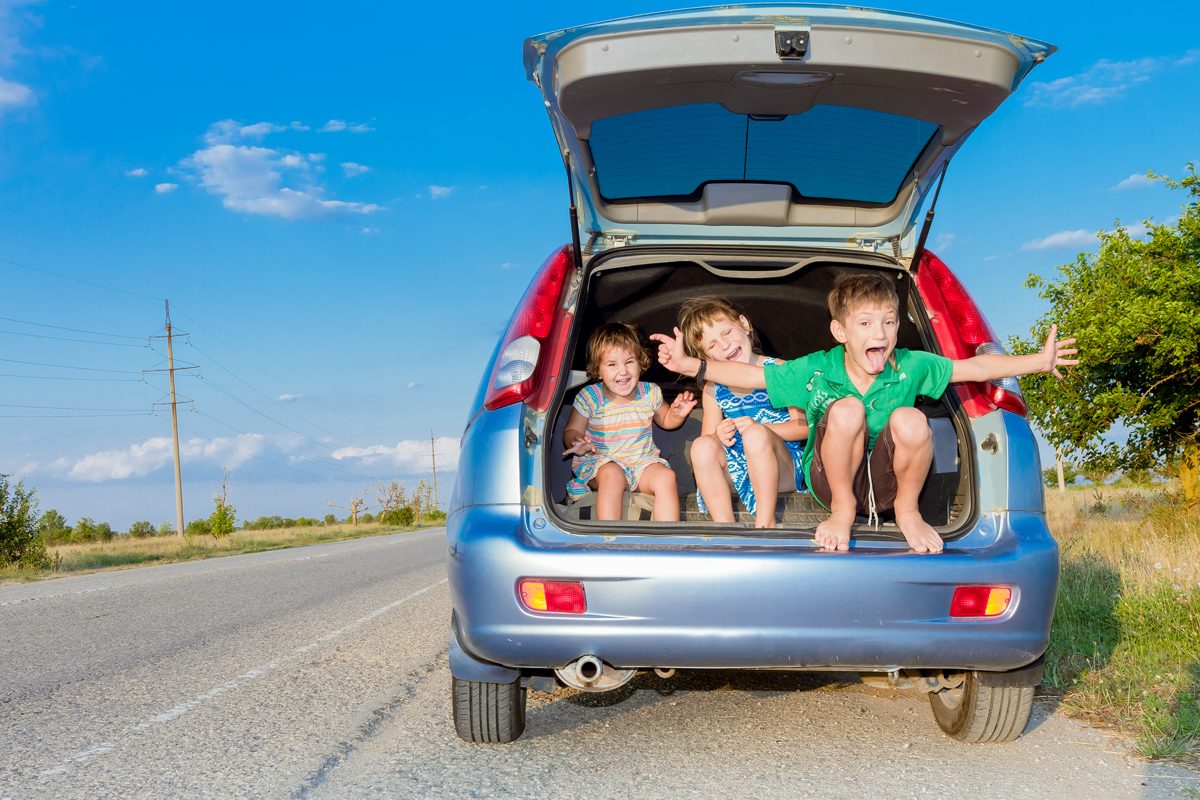
Four hours into a drive to my sister's, somewhere past a long flat stretch of I-35, my toddler announced she was all done with the car. Not sleepy, not hungry, just done, at full volume, with a hundred miles to go. What saved us was not a new toy. It was the snack cup she could open herself, a sticker book we had been saving for exactly that moment, and a rest stop with grass ten minutes later.
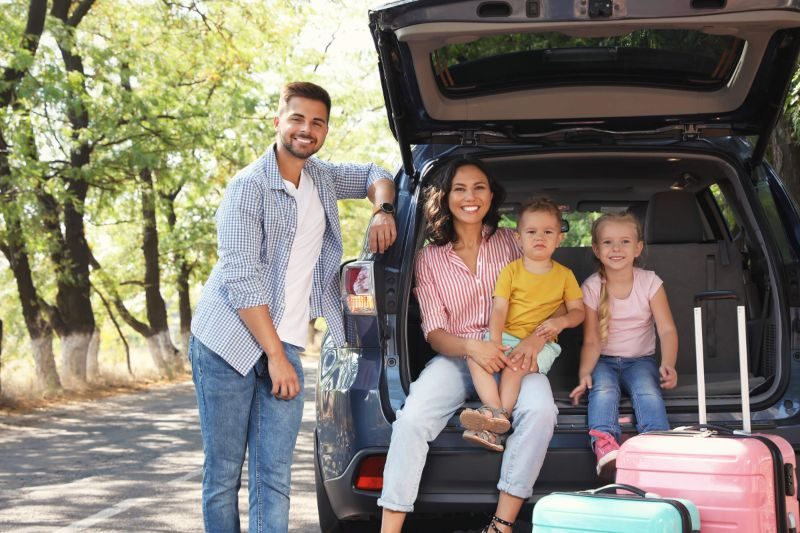
Long drives with toddlers are a Minnesota rite of passage, whether you are heading to the lake, to grandparents, or clear across the Midwest. You cannot make a toddler love a car seat, but the right gear and a simple rhythm make the miles genuinely manageable. Here is the setup that works for our family.
The Back Seat Organizer That Earns Its Place
A back seat organizer hangs on the front seat and puts everything within reach without a passenger climbing around. Choose one with a few large pockets rather than twenty tiny ones, because toddler gear is bulky: a water cup, a snack cup, wipes, two board books, and a lovey. Clear pockets help you spot things at a glance.
Load it the night before, not during the morning scramble, and keep the rule that car toys live in the car. A small caddy or bin on the seat works too for families without a hanging organizer, as long as it cannot become a projectile. Skip hard, heavy toys entirely in a moving car; soft books, plush, and lightweight items only. And put one full change of clothes for your toddler, and a spare shirt for you, in the organizer rather than the trunk. You will understand the first time a snack cup loses its lid at highway speed.
- Top pocket: Wipes, tissues, and a small trash bag you will actually use
- Middle pockets: Water cup, snack cup, and two board books
- Bottom pocket: Change of clothes, spare diapers, and a thin blanket
- Front seat with you: Your phone charger, wallet, and the special reserve toy
Snacks and Toys on a Rotation, Not All at Once
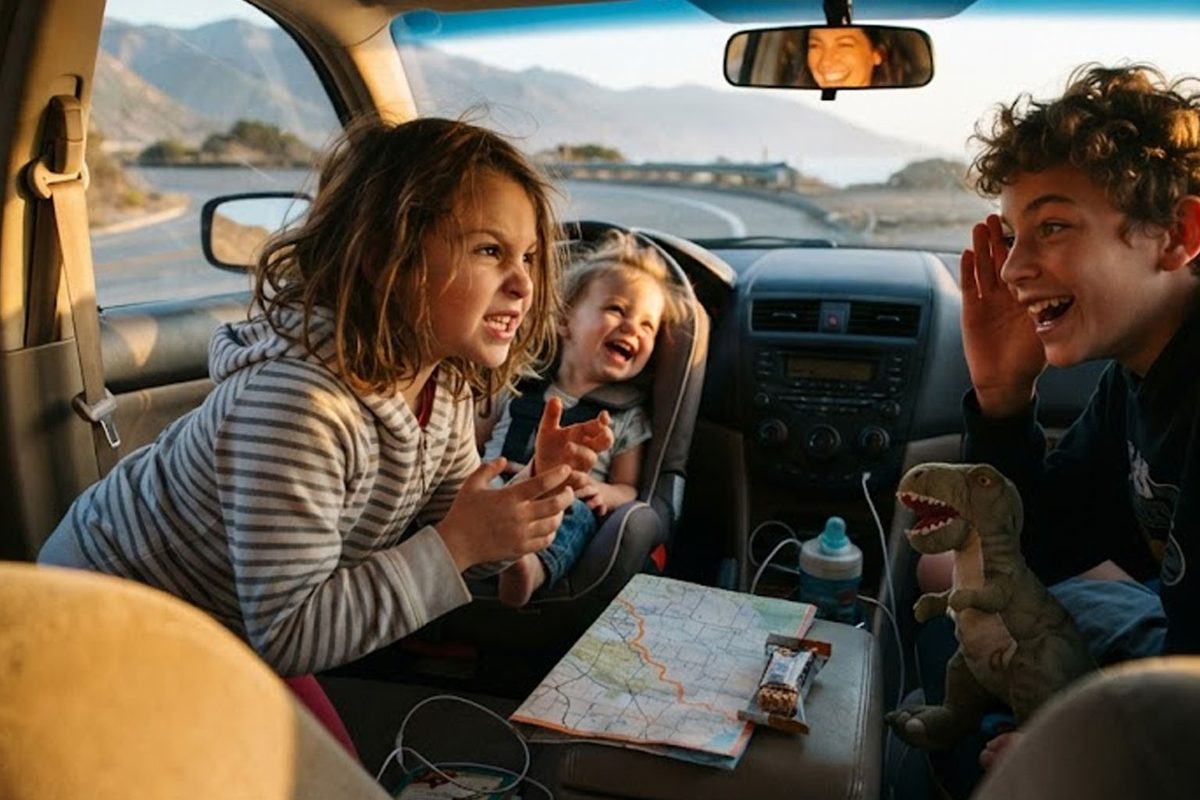
The biggest rookie mistake is handing over everything in the first twenty minutes. Instead, think in rounds. Start with what is already familiar: the lovey, the water, one favorite book. Every 45 minutes or so, introduce one new thing, a snack round or a fresh toy, so there is always something left to look forward to. Save one genuinely exciting item, a new sticker book or a wrapped dollar-store surprise, for the hardest stretch, usually the final hour.
Snacks should be low-mess, slow to eat, and safe for a seated toddler with an adult nearby. Dry cereal, cheese crackers, freeze-dried fruit, and soft bars work well in a spill-proof snack cup your child can manage alone. Avoid round, hard foods that are choking risks, and skip anything sugary enough to guarantee a wired toddler arriving at bedtime. Offer snacks on a schedule rather than on demand, because a steady snack drip makes the real meals at stops disappear.
- Round one: Favorite book, lovey, and water
- Round two: Snack cup plus a lift-the-flap book
- Round three: Sticker or reusable sticker pad, mess-free coloring
- Round four: Music or a toddler audio story everyone can hear
- Final hour: The reserve surprise, saved on purpose for this moment
Plan Stops Every Two Hours, and Make Them Count
Toddlers need out of the car seat roughly every two hours, and honestly, so do drivers. Build the stops into the plan instead of treating them as delays: a toddler who has run, toddled, and been changed arrives at the next stretch in a far better mood. Fifteen to twenty minutes is enough. Choose stops with grass when you can, a park or rest area over a gas station parking lot, and let your child move in every direction the car seat forbids.
Use each stop the same way: diaper or potty first, then movement, then a real snack or meal sitting down, then a quick reset of the back seat before you buckle back in. Toss trash, refill the snack cup, and swap the toys while you are stopped, not while driving. If your toddler falls asleep just before a planned stop, you have our permission to keep driving. Never wake a sleeping toddler to keep a schedule; the two-hour guideline bends for naps and for safety, since stopping somewhere unsafe to keep a rule helps nobody.
Leave thirty minutes earlier than the map says. A trip planned with slack feels like an outing; the same trip planned tight feels like an emergency by hour three.
The Car Emergency Kit for Families
Midwest miles mean long gaps between towns, summer construction, and winter weather that changes its mind. A small family emergency kit rides in our car year-round, and twice it has turned a bad hour into a story instead of a crisis.
- For the kids: Extra diapers and wipes, two changes of clothes, a sealed snack and water pouches, a blanket, and any daily medicine
- For the car: Jumper cables or a jump pack, a phone power bank, a flashlight, and a basic first aid kit
- For winter: Hats, mittens, an extra blanket, and a small bag of snacks that will not freeze solid
- Paper basics: Paper towels, plastic bags for trash or wet clothes, and a few dollars in cash for tolls and surprises
Check the kit when the seasons change, swap outgrown clothes, and replace eaten emergency snacks, because someone always eats them. Keep it in one bag you can grab, not scattered through the trunk.
Setting Expectations for the Long Haul
Drive during sleep when you can: leaving at nap time or early morning buys quiet miles. Dress your toddler in comfortable clothes with no scratchy tags, and keep the car cool, since a hot toddler is a furious toddler. Narrate the trip, cows, trucks, bridges, and the countdown of towns, because toddlers endure waiting better when it has a story.
Finally, lower the bar with love. Some stretches will be loud. A screen for the last hour, if your family uses one, is a tool, not a failure. You are aiming to arrive with everyone safe and mostly still friends.
Frequently Asked Questions
How long can a toddler safely ride in a car seat?
Aim for breaks about every two hours so your toddler can move, eat, and be changed. Shorter stretches are better for young babies. Sleeping toddlers can ride a bit longer, but plan your stops around their waking rather than waking them.
What is the best toy for a long car ride?
Reusable sticker pads, lift-the-flap board books, and mess-free coloring are the consistent winners, because they are quiet, light, and safe in a moving car. Rotate one at a time and keep one new item in reserve for the final stretch.
How do I handle a toddler meltdown mid-drive?
Pull over somewhere safe rather than twisting around while driving. Often the fix is simple: a change, a snack, cooler air, or ten minutes of running on grass. If nothing is wrong, a stop still resets everyone's mood better than pushing through.