Backyard Water Play: Splash Toys and Summer Picks
Minnesota summer is a sprint. We wait through April snow for those perfect weeks, and when they finally arrive in Minneapolis, my kids want to live in the backyard from breakfast until the mosquitoes call curfew. A few years ago I bought one splash toy on clearance, filled it on a Saturday morning, and watched my toddlers play happily for three hours while I drank coffee that was still warm. I have been a backyard water play believer ever since. You do not need a pool, a big yard, or a big budget. You need one or two well-chosen water toys, a firm safety routine, and a storage habit that keeps everything from turning green by August.
The Three Workhorses: Splash Pad, Water Table, Sprinkler
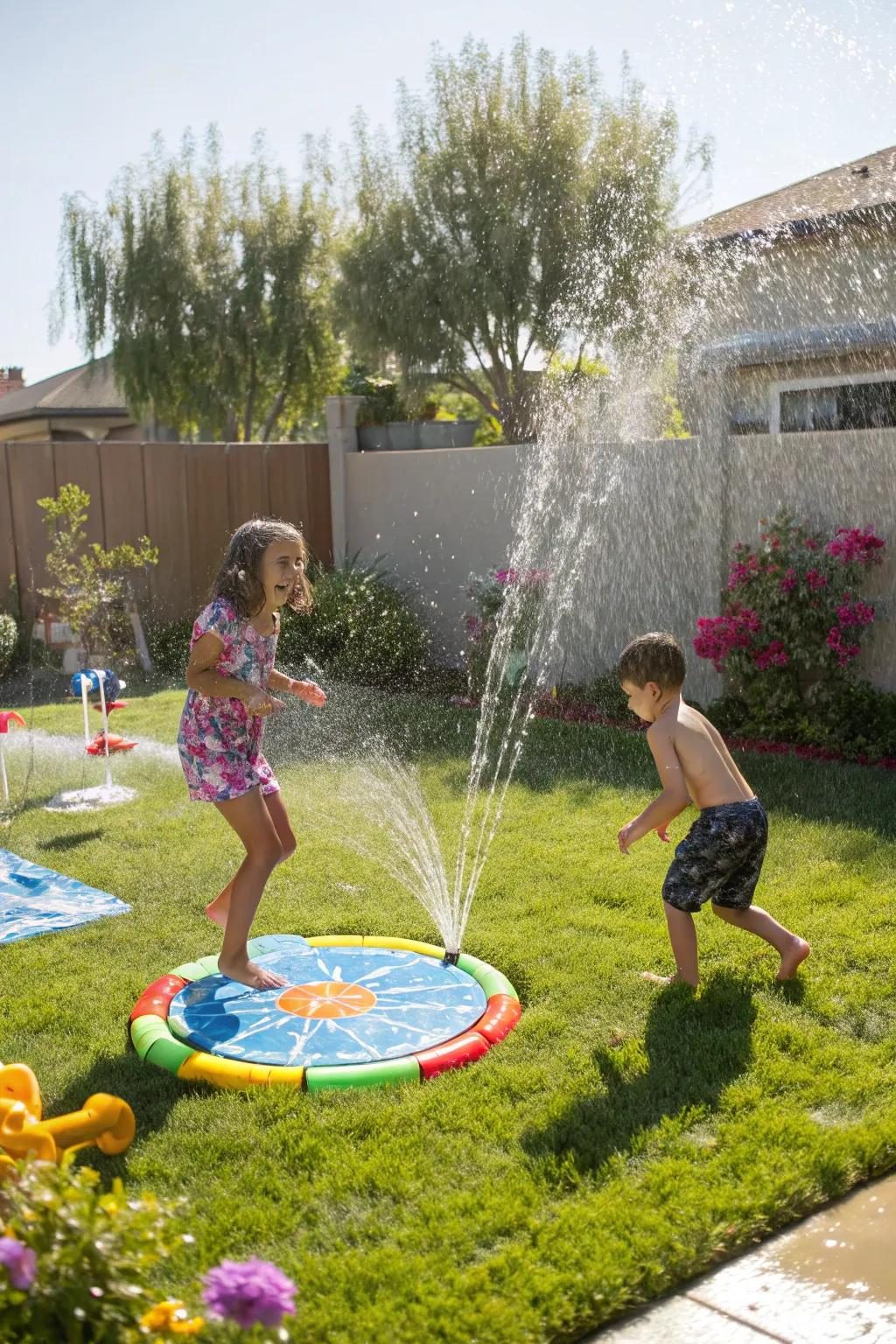
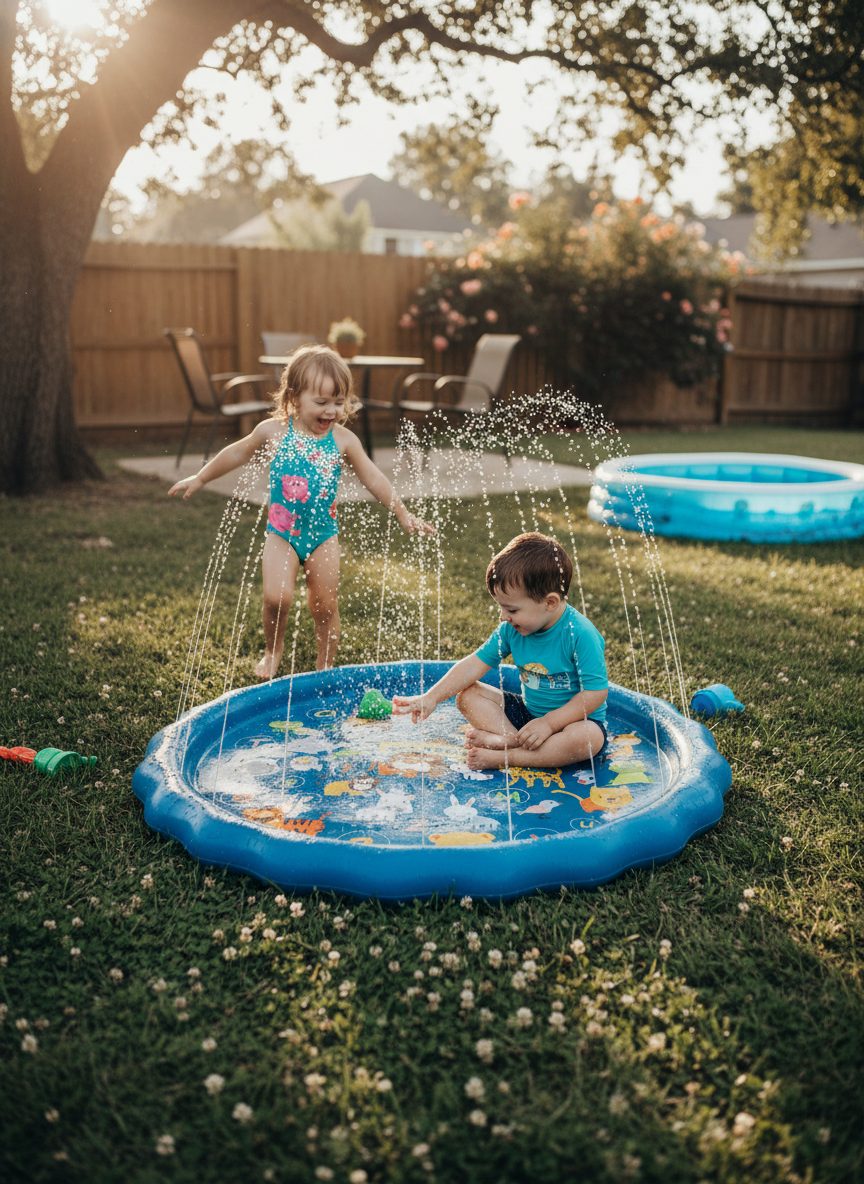
A splash pad is the best first purchase for babies and toddlers. It is a flat mat that connects to a garden hose and sprays gentle arcs of water upward, with no standing depth to worry about. Toddlers can sit, crawl, and stomp in it, and when you turn off the hose it drains itself. Look for a thicker material that resists punctures from dog claws and lawn chairs, and a diameter big enough for two or three kids plus a brave parent's feet.
A water table is the quiet champion of the group. It works on a deck or patio with no hose at all, holds a few gallons for pouring, scooping, and floating toy boats, and keeps toddlers standing and busy at exactly the height they love. Choose one with a drain plug, sturdy legs that do not wobble on grass, and simple accessories rather than twenty tiny pieces you will fish out of the lawn all summer. A water table also extends the season: in May and September it becomes a sensory table for leaves, snow, or dry beans indoors.
- Sprinklers suit preschoolers and older kids best, with moving or oscillating styles spreading water play across the whole yard for running games.
- Kiddie pools are fun but carry the most supervision and emptying duties, so treat them as an active, attended activity, never a set-and-forget one.
- Water blasters and buckets are cheap, ageless, and perfect for filling, hauling, and impromptu car washes of every tricycle on the block.
- Slip-and-slide style mats belong with older, coordinated kids and a soft, rock-free stretch of lawn, with clear rules about one slider at a time.
Water Safety Rules That Never Take a Day Off
Here is the serious part, and it is short because it is non-negotiable. Young children can drown in just a few inches of water, quickly and silently, without splashing or calling out. Active supervision means an adult whose only job is watching, within arm's reach of toddlers, not an adult grilling, scrolling, or running inside for towels. Rotate the watcher every fifteen or twenty minutes at gatherings so attention stays fresh, and say the handoff out loud: you have the kids until I say otherwise.
- Empty it when you are done: dump water tables, buckets, and kiddie pools after every use, and turn containers upside down so rain cannot refill them.
- Keep toilet lids and doors in mind too on water play days when wet toddlers wander in and out of the house.
- Use life jackets at lakes and pools sized by weight and labeled U.S. Coast Guard approved; water wings and inflatable toys are not safety devices.
- Set the sunscreen and shade routine before play starts, because wet skin and midday sun are a fast route to a miserable evening.
- Teach the simple rules early: no pushing, no holding anyone under, and we only play in the water when a grown-up is watching.
Assign the watcher like you mean it. Most backyard water accidents happen when every adult assumed another adult was watching.
Set Up Smart for a Short Season
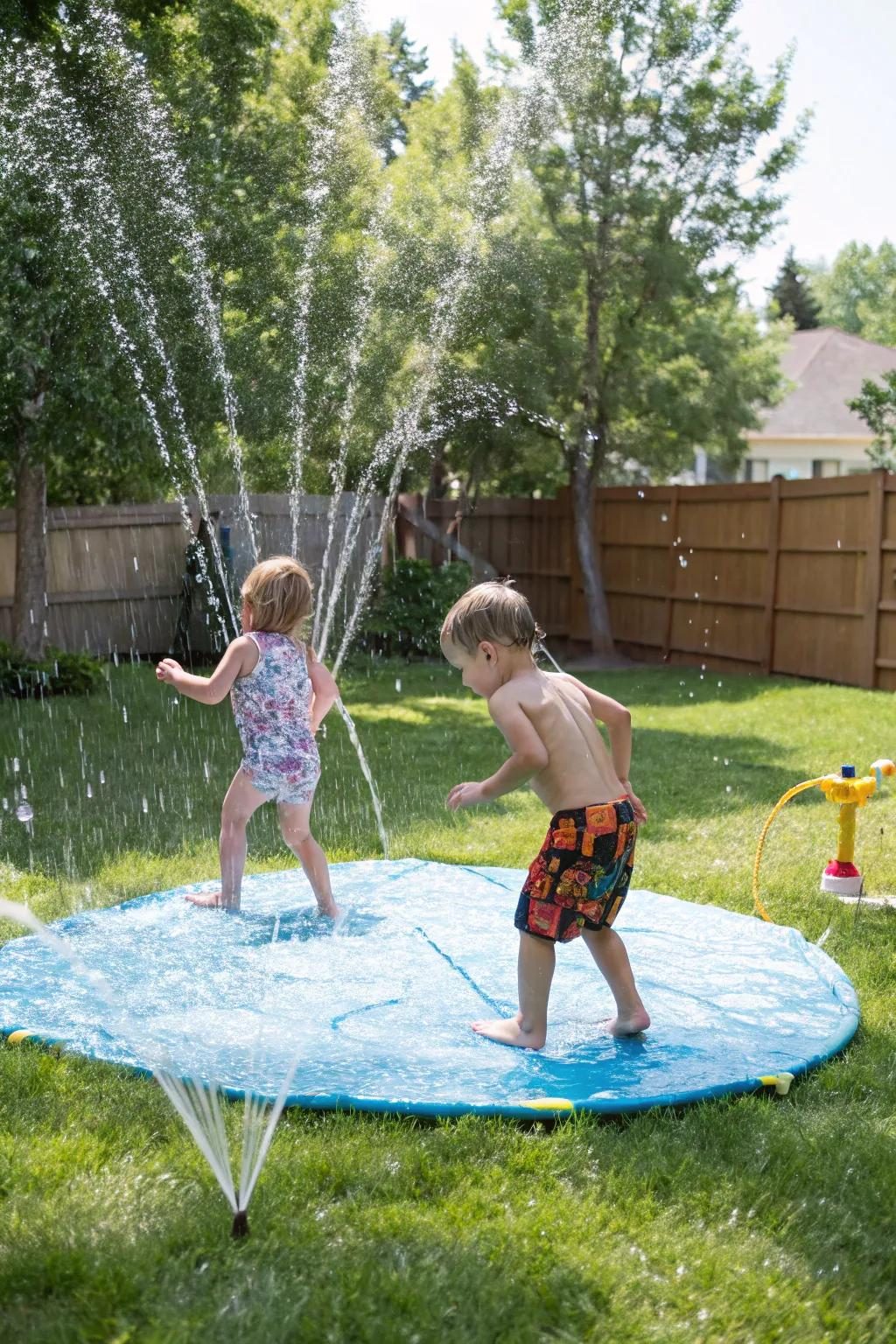
Place splash pads and sprinklers on flat grass away from mud patches, unless mud is the plan, in which case embrace it and keep towels by the door. Run hoses where adults will not trip while carrying a wet toddler. Keep a dry zone nearby with towels, a change of clothes, and a lidded bin for wet swimsuits so the end of play is calm instead of a shivering scramble. A pop-up shade or umbrella over part of the play area stretches comfortable playtime and gives babies a cool spot to watch the action.
Because our season is short, buy in spring when selection is full, or in late August on clearance for next year if you have storage space. Test new inflatables and hose connections on a weekday, not ten minutes before cousins arrive for a birthday party. And plan a few anchor events, a splash morning every Friday, a water table car wash for toy trucks, so the gear earns its keep weekly instead of twice a summer.
Dry It, Store It, Skip the Mold
The end-of-day routine takes five minutes and saves you from the swamp-toy heartbreak of mid-July. Drain everything fully. Spread splash pads and inflatables over a fence or patio chairs in the sun until they are truly dry to the touch, including the folds, because trapped moisture in a folded crease is where mildew starts. Scrub water tables weekly with mild soap, rinse well, and dry them before refilling; a slimy table is a sign the routine slipped, not a reason to toss the toy.
Store small toys in a mesh bag or a bin with drainage holes, never sealed wet in a lidded tote. Keep the whole kit in the garage or shed off the floor, and do a fall clean-out before winter storage: wash, dry for a full day indoors, deflate gently without forcing air out of seams, and store flat or loosely rolled. In spring, inflate and inspect for cracks and mold before the first warm day, and retire anything that stays slimy or smells sour after a thorough wash and full dry. Gear cared for this way easily lasts through two or three kids, which is the real budget win of backyard water play.
Frequently Asked Questions
What is the safest water toy for a one-year-old?
A splash pad with no standing water is a great first choice, paired with an adult within arm's reach at all times. A water table is another good option for standing toddlers. Avoid leaving any container of water unattended, and empty everything after play.
How often should I change the water in a water table or kiddie pool?
Dump and refill water tables daily during active use, and empty small kiddie pools after each use rather than leaving water standing overnight. Fresh water is cleaner, safer, and less attractive to mosquitoes. Scrub surfaces weekly with mild soap.
How do I keep splash toys from getting moldy?
Dry everything completely after each use, especially folds and seams, and store toys in a ventilated or mesh container, never sealed while damp. Wash with mild soap weekly during heavy use. If mold gets deep into a toy's seams and survives a thorough wash, replace the toy.