Baby and Toddler Shoes: From Soft Soles to First Walkers
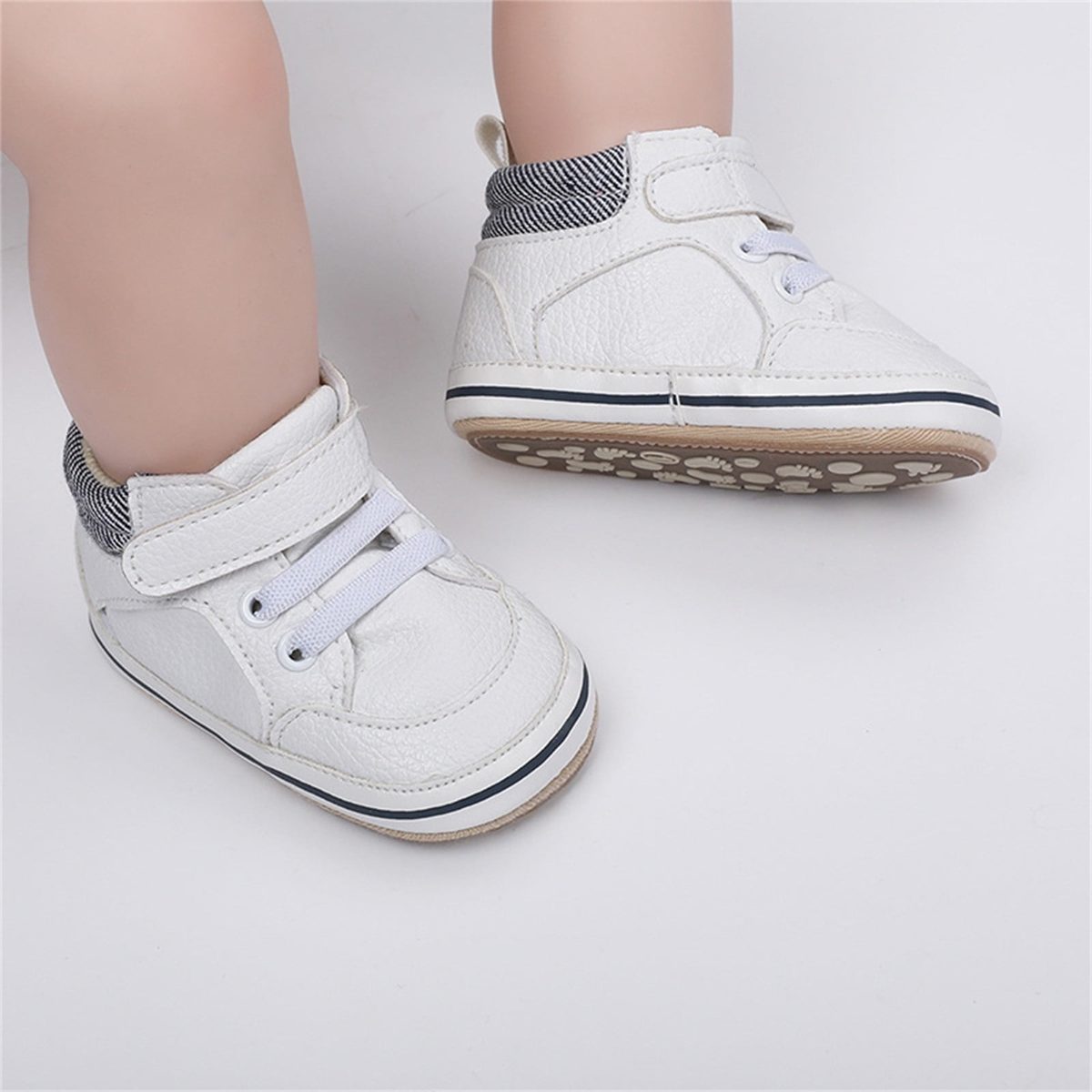
I bought my first baby's first shoes before she could even sit up, a tiny pair of white sneakers that matched nothing and fit for about three weeks. She kicked them off in every store in the Mall of America. By the time my third child was toddling across our kitchen in Duluth, I had learned the calmer truth: babies need far fewer shoes, far later, than the baby aisle suggests, and their feet do most of their best growing barefoot on your floors. Shoes matter, just at the right stage and in the right size. Here is how to think about each phase without overspending or squeezing growing toes.
Barefoot at Home Is a Feature, Not a Problem
Feet develop strength, balance, and coordination by feeling the floor. At home on safe, clean surfaces, barefoot time helps babies learn how their toes grip and how their weight shifts as they pull up, cruise, and take first steps. Socks with grippy soles are a good middle ground on slippery hardwood or during a Minnesota winter when floors run cold. Save structured shoes for outdoors, rough surfaces, and public places where protection actually matters.
This does not mean shoes harm healthy feet. It means the shoe's job for babies and new walkers is protection from cold, heat, sharp objects, and rough ground, not shaping the foot or teaching walking. A baby will walk when their muscles and balance are ready, in shoes or out of them. If you have concerns about flat feet, toe walking, or one foot turning in noticeably, bring it up with your pediatrician rather than trying to correct it with a special shoe.
The Three Stages of Early Shoes
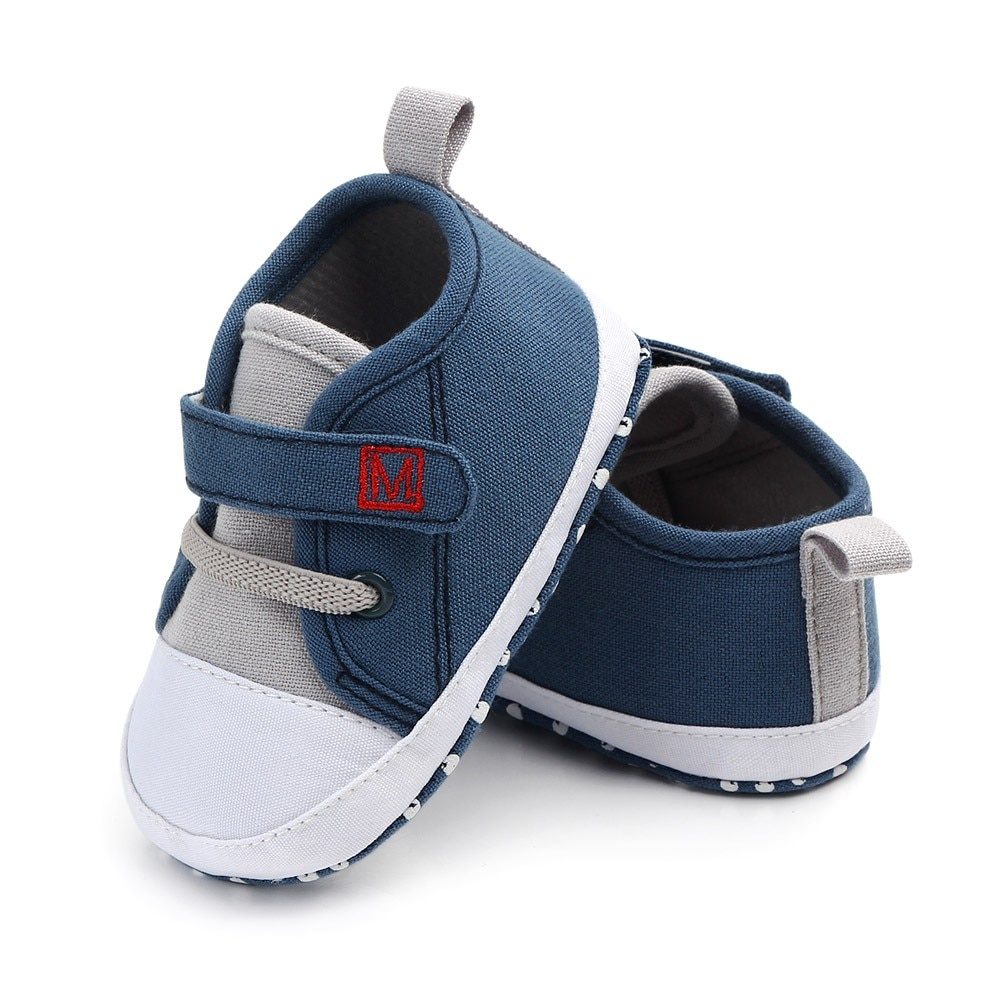
- Pre-walkers, roughly 0 to 9 months: soft booties, socks, or very soft-soled crib shoes for warmth and photos. No stiff sole is needed because there is no walking to support.
- Crawlers and cruisers, roughly 9 to 15 months: flexible soft soles with grip, such as leather moccasin-style shoes, protect feet at daycare and on playgrounds while still letting toes feel and flex.
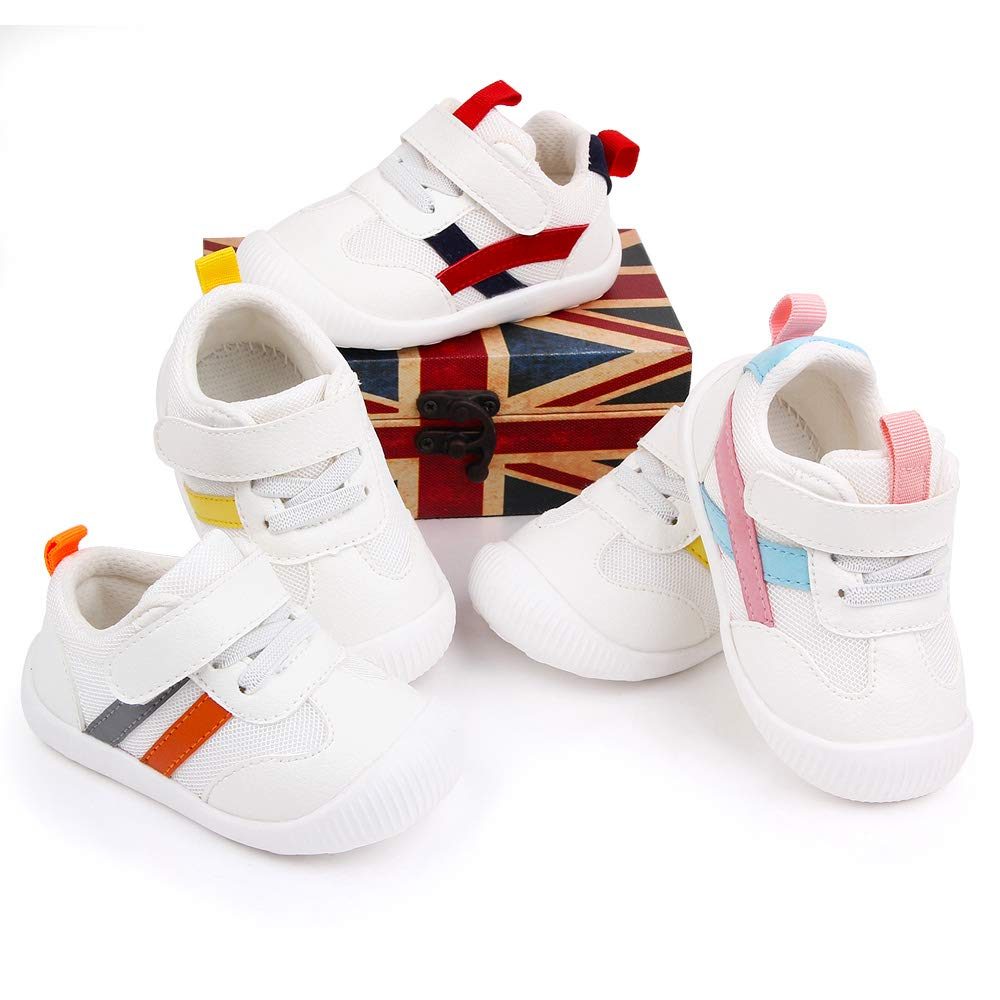
- New walkers, roughly 12 to 18 months and up: a lightweight shoe with a flexible but sturdier sole, a closed toe, and a secure closure for outdoor walking on sidewalks, gravel, and trails.
- Confident toddlers: everyday sneakers or sandals with real tread, ankle support matched to the activity, and room to run, climb, and splash without slipping.
Ages are only rough guides. Some babies walk at nine months and some at sixteen, and both can be perfectly normal. Shop for the stage your child is actually in, not the stage on the calendar. A cruiser who only walks holding furniture does not need a stiff walking shoe yet, and a new walker covering real ground outdoors has outgrown a crib shoe even if it still technically fits.
How to Measure Little Feet Correctly
Measure in the late afternoon or evening, when feet are at their largest, and always measure both feet while your child is standing with weight on them if they can stand. One foot is often slightly bigger; fit the larger one. The simplest home method is the paper trace: place a sheet of paper on a hard floor against a wall, stand your child with their heel lightly touching the wall, mark the longest toe, and measure from the wall edge to the mark in centimeters for the most accurate match to size charts.
- Leave growing room: about a thumb's width, roughly half an inch, between the longest toe and the end of the shoe.
- Check the width, not just the length; toes should lie flat and wiggle freely without pressing the sides.
- Press the toe box while your child stands, rather than guessing by how the shoe looks on a seated baby.
- Watch them walk: heels should not slip out with each step, and the shoe should bend near the toes, not in the middle of the arch.
- Re-measure every two to three months in the first two years, because growth spurts are fast and silent.
When in doubt between two sizes for a new walker, fit matters more than growth room. A shoe that flops will trip a toddler faster than a shoe that fits for one month less.
Signs a Shoe Is Too Small
Toddlers rarely announce that their shoes hurt. They show you instead. Watch for red marks or indentations on the tops of toes or the sides of the feet after shoes come off, blisters or calluses, toenails that look pressed or bruised, and a child who suddenly resists shoes they used to accept. Tripping more than usual, walking on tiptoes to avoid pressure, or curling toes inside the shoe are all worth a size check. Also feel inside the shoe with your hand: seams, rough edges, and a toe that has worn a dent into the insole tell the story even when the outside still looks new.
Hand-me-downs deserve a quick inspection too. Shoes mold to the first child's feet, so check that the sole is not worn unevenly and that there is still cushion and tread left. A lightly worn pair in the right size is fine for many families; a collapsed, lopsided pair is not a bargain at any price. For the main everyday shoe of a new walker, new or nearly new is the safer spend, and hand-me-downs can cover the backup pair for daycare or Grandma's house.
Frequently Asked Questions
Do babies need shoes to learn to walk?
No. Babies learn to walk best barefoot on safe indoor surfaces, where their toes can grip and their muscles can develop naturally. Shoes are for protection outdoors and in public places. Buy for your child's actual stage, not their age.
How often should I check my toddler's shoe size?
Check every two to three months during the first two years, and sooner if you see red marks, resistance to shoes, or more tripping than usual. Toddler feet can grow a half size in just a couple of months during a growth spurt.
Are high-top shoes better for ankle support?
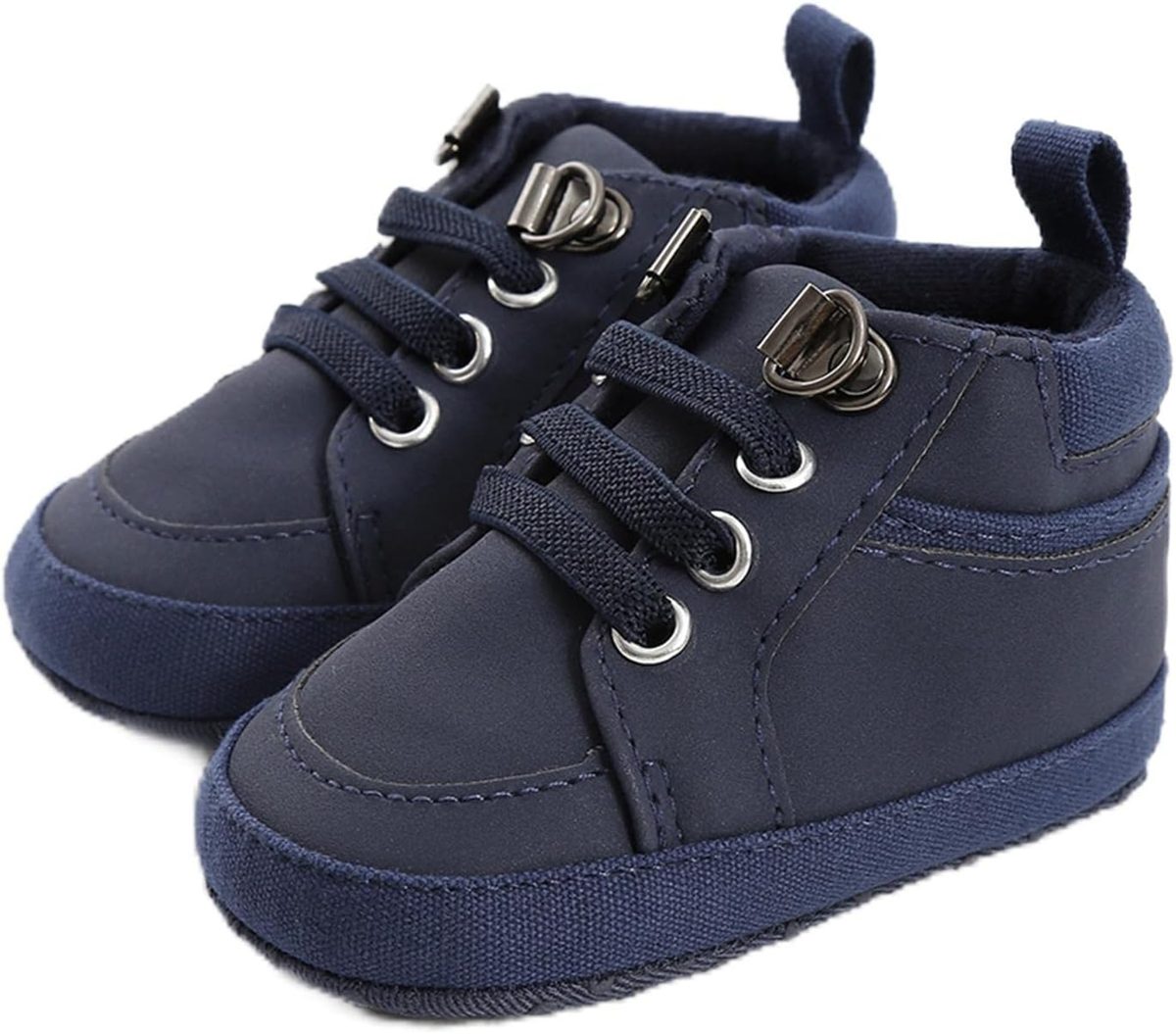
For most healthy toddlers, high tops are a style choice, not a medical need. What matters is a secure closure, a flexible sole that bends at the toes, and a proper fit. If your pediatrician recommends extra support for a specific reason, follow that guidance.