Sippy Cups and First Cups: What to Buy at Each Stage
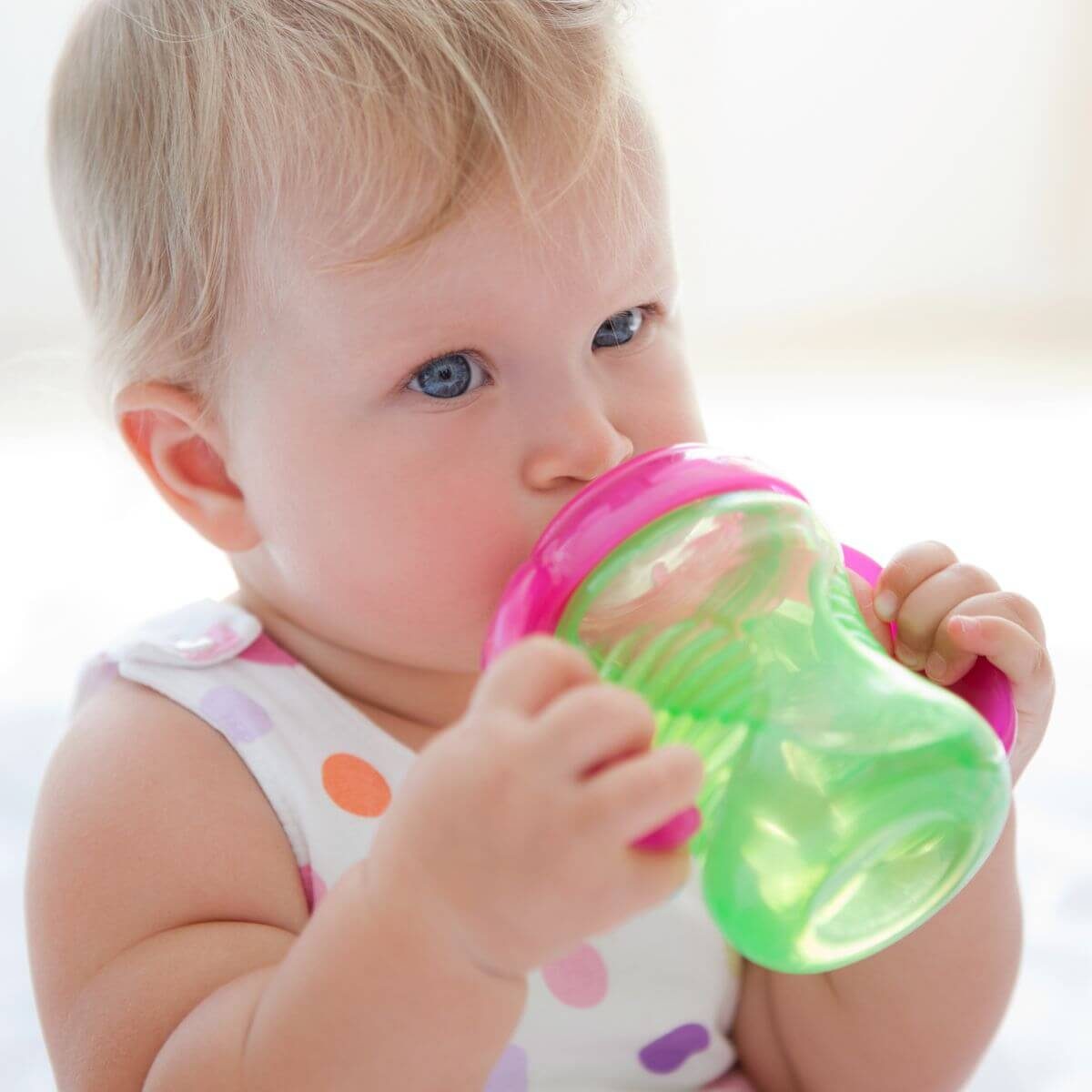
The first time I handed my son a sippy cup, he chewed the spout, shook it like a maraca, and poured most of the water down his shirt. I stood in our kitchen in Duluth laughing, because he was so proud of himself, and also making a mental note that learning to drink from a cup is a skill, not a purchase. It takes practice, a fair amount of laundry, and the right cup for the stage your baby is actually in, not the stage the packaging promises.
Most pediatricians suggest introducing a cup around six months, when solids start, with small sips of water at meals. Breast milk or formula remains the main drink through the first year, and plain water is the best practice liquid. What follows is a stage-by-stage guide that has worked for a lot of Minnesota families I know, with room for your baby to move faster or slower than the calendar.
Around Six Months: First Sips and Open Cups
At six months, drinking is mostly exploration. Offer two to four ounces of water in a cup at meals and expect more on the bib than in the baby. Many feeding specialists now encourage starting with a tiny open cup, held by you, because it teaches real sipping and tongue movement. A small, lightweight cup that holds about two ounces is easier for little hands and spills less dramatically.
Straw cups are the other excellent starting point. Sucking through a short straw builds oral muscles used for speech and feeding, and some babies take to a straw weeks before they understand tipping a spout. Weighted straws that work at any angle help beginners, since babies rarely hold a cup upright in any predictable way. Keep sessions short, stay nearby, and treat every spill as tuition.
Around Nine Months: Straw Skills and Practice
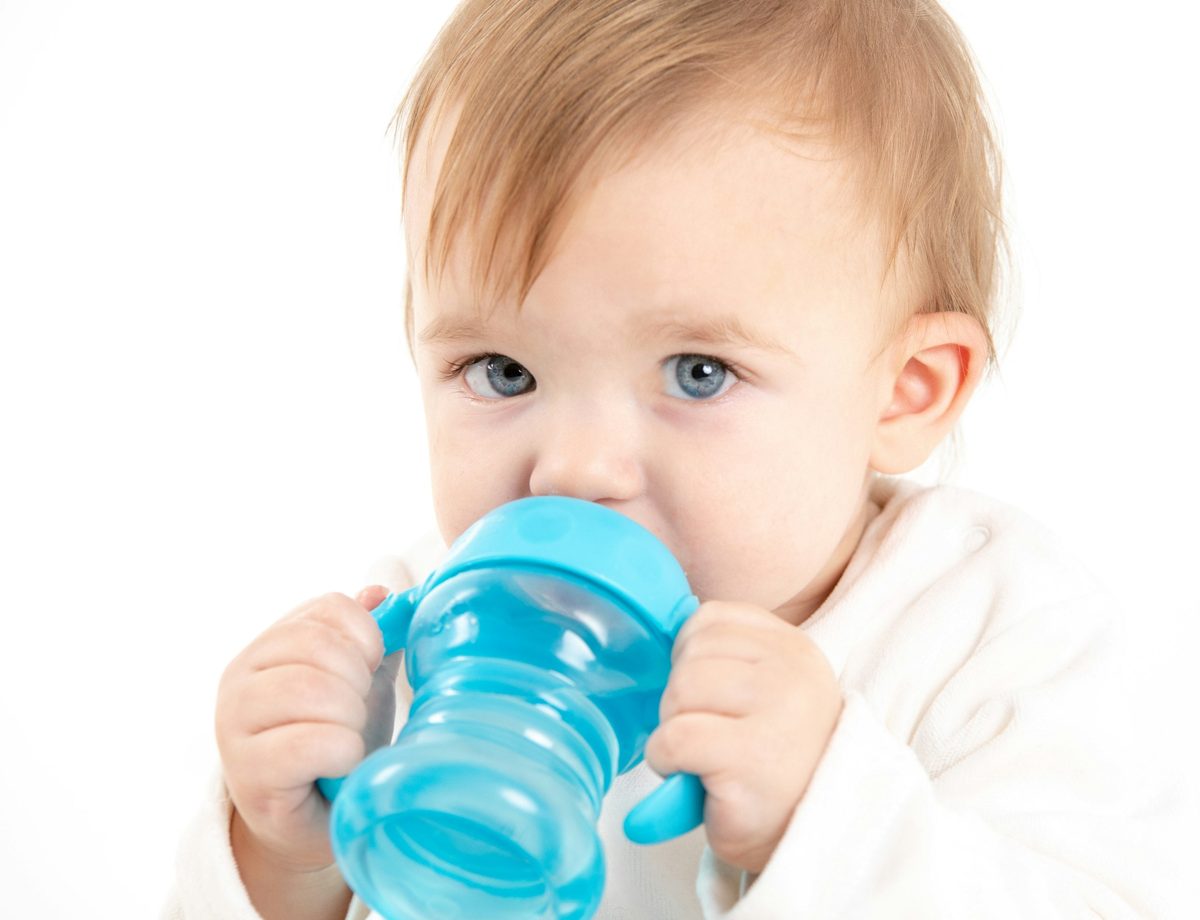
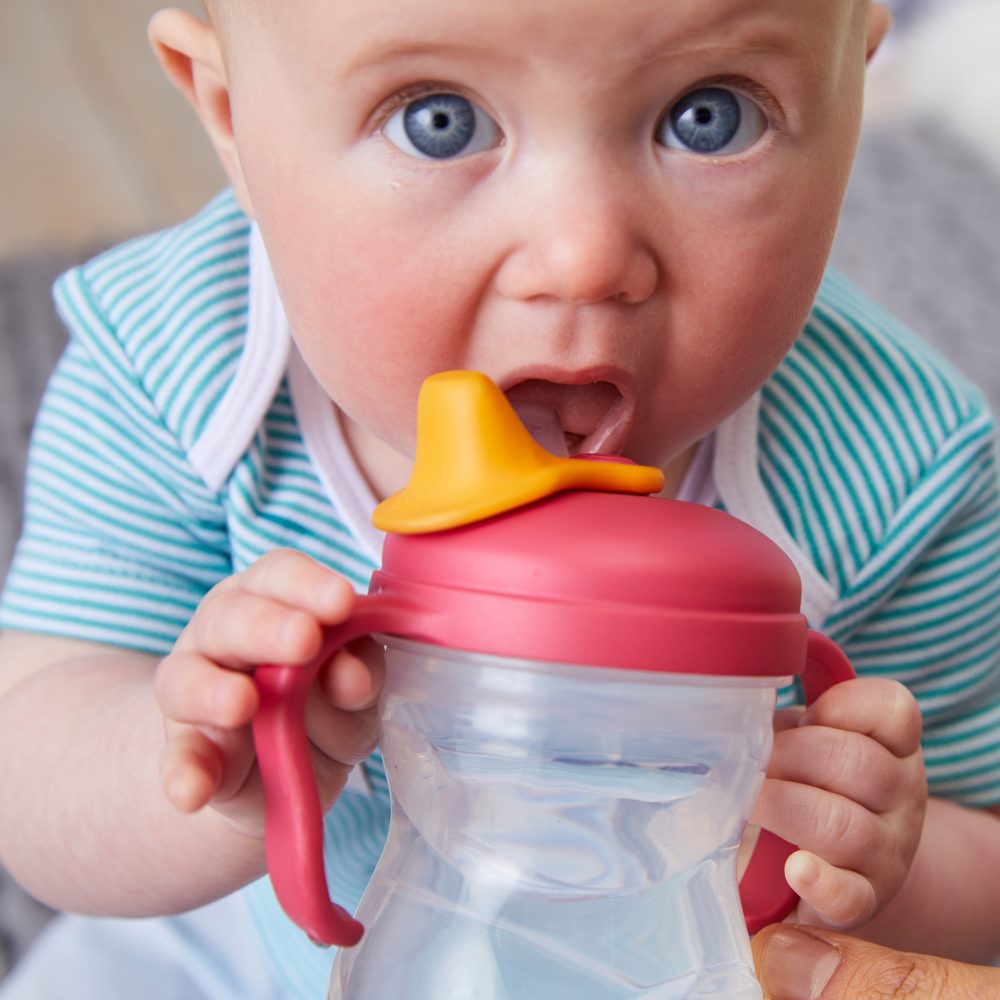
By nine months, most babies can hold a cup with two handles, bang it happily, and get a straw to work on purpose. This is a good stage to offer water at every meal and snack, still in modest amounts your pediatrician can help you gauge, and to let your baby practice with the cup you hope to use long term.
- Short, soft straws: easier for beginners to manage than long or stiff ones, and gentler on new teeth.
- Two handles: help shaky hands grip, especially with winter-dry, slippery fingers and lotion in the mix.
- A simple valve or no valve: heavily valved cups require hard sucking and can frustrate a learning baby.
- Clear measurement marks: useful when you want to know roughly how much water actually went in.
If your baby still prefers you to hold the cup, that is fine. Skills arrive in bursts. Offer, model by drinking from your own cup with great enthusiasm, and let siblings help demonstrate, since babies copy older kids faster than any adult instruction.
Around Twelve Months: Moving Away From the Bottle
The first birthday is the usual target for beginning the bottle transition, with most pediatricians hoping bottles are retired by about twelve to fifteen months. Prolonged bottle use is linked with tooth decay and can crowd out appetite for food, especially when a toddler carries milk around all day. Move milk to meals, in a cup, at the table, and keep water as the between-meal drink.
Some toddlers protest for three days and then never look back. Others need a slower fade: drop one bottle at a time, starting with the midday one, and keep the bedtime bottle for last while you build a new routine of book, song, and cuddles. Cold turkey works for some families, gradual works for others, and both are legitimate. What matters is a plan you can hold kindly and consistently.
Around Eighteen Months: Open Cups and Real Independence
By eighteen months, most toddlers can manage an open cup at the table with only occasional floods, and many preschools expect exactly that skill. Practice at home with small amounts, a towel underneath, and a cup filled only a third full. Spout cups, if you used them, can retire now, since dentists and speech therapists generally prefer straws and open cups for oral development over hard spouts used for months on end.
- Keep two or three cups total: one for milk at meals, one for water, and one spare for the inevitable loss under a car seat.
- Choose easy-clean designs: cups with few parts, no hidden straw chambers you cannot scrub, and dishwasher-safe pieces.
- Check materials: look for food-grade silicone or BPA-free plastic labeled for babies, and replace cups that are cracked, cloudy, or chewed.
- Inspect valves and straws weekly: milk hides in small parts, so pull cups fully apart and wash or replace straws regularly.
Expect the cup timeline to look like two steps forward and one splash back. That is not failure. That is literally how toddlers learn everything.
Spill Control Without Losing Your Mind
No cup is truly spill-proof once a toddler discovers shaking, dropping, and the fascinating physics of tipping. Leak-resistant is the honest goal. Test a new cup yourself over the sink, check that lids click or screw on with a clear signal, and keep filled cups off car seats and strollers until you trust them. At restaurants, a lidded straw cup saves everyone, and at home, water is the forgiving practice drink because it dries without a smell. Finally, wash cups daily, air-dry parts completely, and retire any cup that keeps a sour odor no scrubbing fixes.
Frequently Asked Questions
Should I start with a spout cup, a straw cup, or an open cup?
Any of the three can work, but many specialists favor straw and open cups because they support natural sipping and oral development. If a soft spout helps your baby make the first leap from the bottle, use it as a short bridge rather than a long-term habit.
How much water should my baby drink?
Before six months, babies generally need no extra water unless your pediatrician advises it. After six months, a few ounces a day at meals is a common starting point, increasing through toddlerhood. Ask your doctor for amounts tailored to your child, especially in hot weather or illness.
When should I worry if my child refuses a cup?
Brief refusal is normal, especially during teething or illness. Keep offering without pressure and try a different style after a week or two. If your child consistently coughs, chokes, or cannot manage liquids by around twelve months, raise it with your pediatrician promptly.