Pumping and Storing Breast Milk: A Working Mom's Step-by-Step
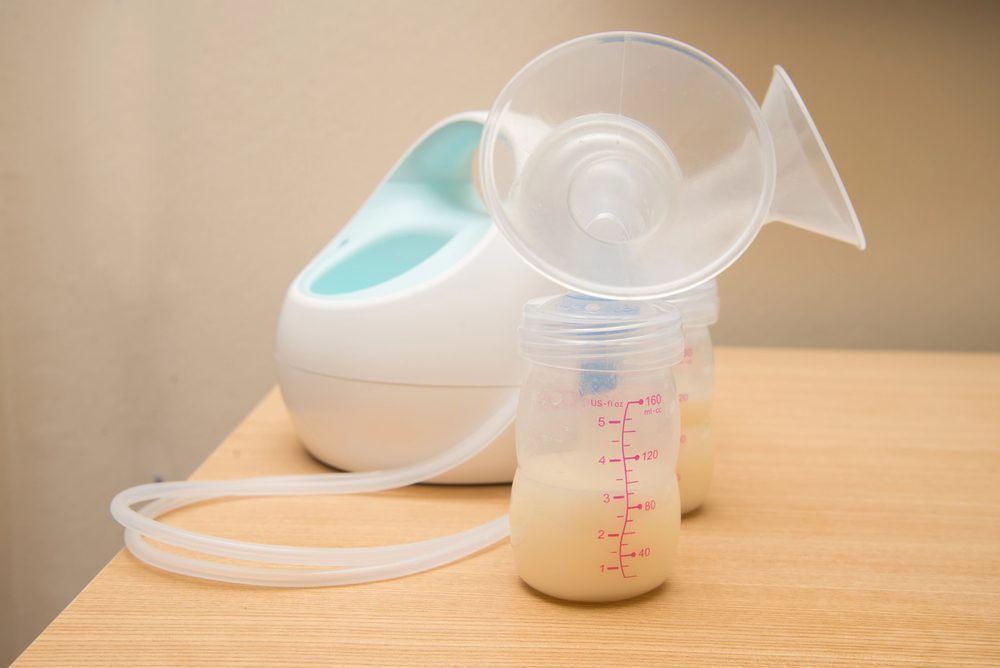
My first morning back at work, I pumped in a supply closet in Duluth while snow melted off my boots onto the floor. I had a pump, two bottles, and absolutely no system, and I cried a little when I spilled half an ounce on my sweater. By baby number two, I had a routine that actually worked, a freezer stash I could count on, and a bag packed the night before instead of a frantic scramble at 6 a.m. If you are heading back to work and wondering how pumping fits into a real Minnesota workday, this step-by-step plan is the one I wish someone had taped to my fridge.
Pumping is a skill, not a talent. Your output will vary by time of day, stress, and sleep, and a smaller session does not mean your supply is failing. What helps most is consistency and safe storage habits you can follow even when tired. This guide is general information, not medical advice, so please ask your pediatrician or lactation consultant about your situation.
A Realistic Pumping Schedule for Workdays
Most working moms do well pumping about as often as their baby would normally eat while they are apart. For an eight-hour shift plus a commute, that usually means two or three sessions. Many moms pump once mid-morning, once at lunch, and once mid-afternoon, roughly every two and a half to three hours. Each session typically takes fifteen to twenty minutes of pumping, plus a few minutes to set up and rinse parts.
Talk with your employer before your first day back about break time and a private space that is not a bathroom. Federal and Minnesota rules generally protect pumping breaks for many employees, but details like which room are easier to settle early. Put sessions on your calendar as recurring appointments so meetings do not swallow them.
- Morning: Nurse or pump before you leave, since supply is often highest early in the day.
- Mid-morning: Pump around 9:30 or 10 a.m. for about fifteen to twenty minutes.
- Lunch: Pump again while you eat, and drink a full glass of water.
- Mid-afternoon: Add a third session if your shift is long or your baby is under six months.
- Evening: Nurse on demand at home to help maintain supply and connection.
If your supply dips on a stressful day, try looking at a photo of your baby, using warm compresses, and massaging gently while you pump. Double pumping with a well-fitted flange usually empties more efficiently, and fit matters: your nipple should move freely without rubbing. Pain is a signal to check sizing, not something to push through.
Safe Storage: Room, Fridge, and Freezer Times
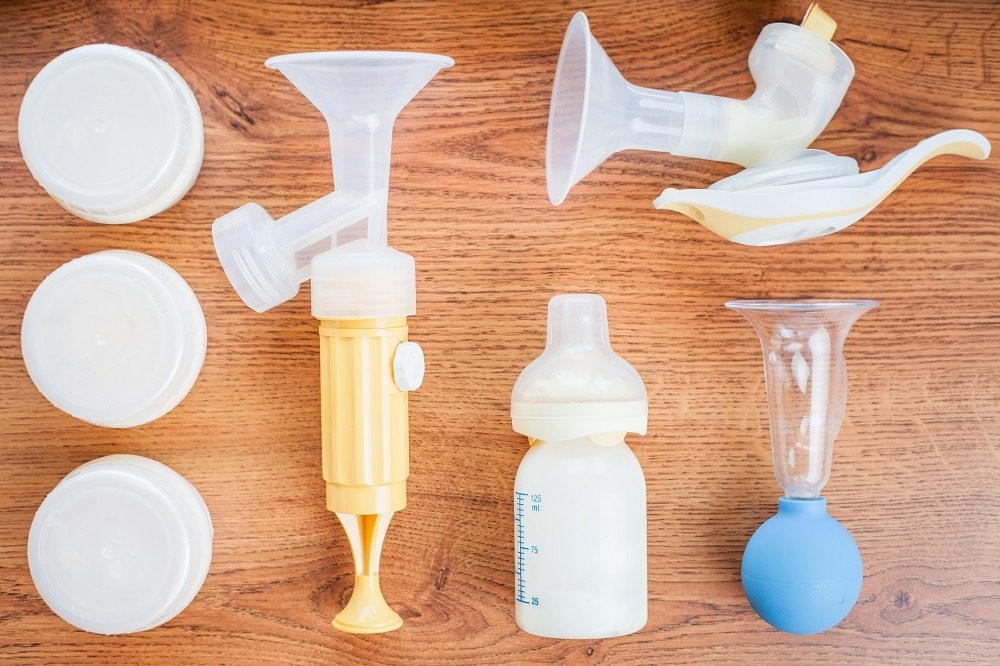
Safe storage rules are the part to print and keep. According to widely shared CDC guidance for healthy, full-term babies, freshly expressed milk can stay at room temperature, up to about 77 degrees Fahrenheit, for up to four hours. In the refrigerator at 40 degrees or colder, use it within four days. In a freezer at 0 degrees or colder, it is best within six months and acceptable up to twelve months, though quality slowly declines.
At work, store milk in a refrigerator or in an insulated cooler with frozen ice packs, where it can stay for up to twenty-four hours. Freeze milk you will not use within four days. Store it in small portions, usually two to four ounces, so you thaw only what your baby needs and waste less of that hard-earned milk.
- Thaw safely: Move frozen milk to the fridge overnight or hold it under lukewarm running water.
- Never microwave: Microwaving can create hot spots and damage nutrients; swirl gently instead of shaking hard.
- Use thawed milk within twenty-four hours once it is fully thawed in the fridge, and within two hours once warmed or brought to room temperature.
- Leftover milk from a feeding should be used within two hours, then discarded.
- Never refreeze milk that has already been thawed.
Freeze milk flat in bags. Flat bags thaw faster, stack like books, and turn a chaotic freezer into a tidy little library of meals for your baby.
Labeling and Rotating Your Stash
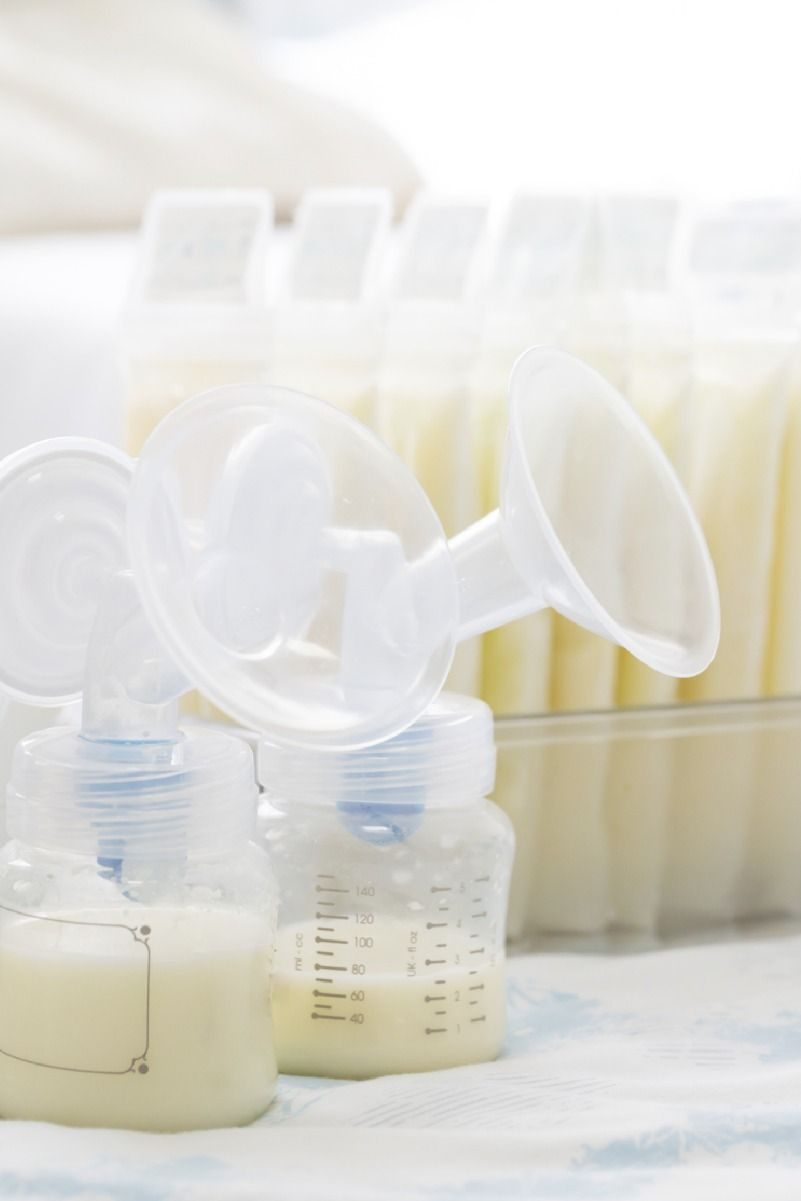
Label every bottle or bag with the date and time you pumped, plus your baby's name if the milk is going to daycare. If you took any medication or your baby was sick, a small note can help you decide later which milk to use first. Use the oldest milk first, a simple first in, first out system, and keep a running count on your freezer door so you actually know what you have.
Once a week, move the oldest bags to the front, check for leaks, and count ounces. That habit prevents finding a forgotten bag buried behind the frozen peas. If your power goes out, keep the freezer door closed; a full freezer generally holds a safe temperature for about forty-eight hours, and milk that still has ice crystals can usually be refrozen according to CDC guidance.
Your Pump Bag Checklist
Pack the bag the night before and keep duplicates at work when you can. Forgetting one small part can derail a whole day, and most of us learn that lesson exactly once, usually on a Monday in February.
- Pump and parts: Flanges, valves, membranes, connectors, and at least one spare set of small parts.
- Storage: Bottles or bags, caps, a marker, and labels.
- Cooler: An insulated bag with two frozen ice packs.
- Cleaning: A microwave steam bag or wipes for a quick clean, plus a wet bag for used parts.
- Comfort: A hands-free pumping bra, nursing pads, a spare shirt, water, and a real snack.
- Backup: A manual pump or extra charger in case of an outlet or power surprise.
Wash pump parts that touch milk with hot, soapy water or in the dishwasher after each use at home, and let them air dry fully on a clean towel. For babies under three months or with health concerns, extra sanitizing may be recommended, so check with your pediatrician. This article is not medical advice, and your pediatrician is the right person for questions about feeding, supply, or your baby's growth.
Frequently Asked Questions
How much milk should I leave for daycare each day?
A common rule of thumb is about one to one and a half ounces per hour you are apart, so roughly eight to twelve ounces for an eight-hour day. Your baby's appetite will guide you, so check in with your caregiver after the first week and adjust the bottle sizes together.
What if I cannot pump as often as planned at work?
Do the best you can and add a session at home if needed, such as after the morning feeding. Occasional short days rarely ruin supply, but repeated long stretches without emptying can lower it and cause discomfort. Talk with your employer early and ask a lactation consultant for a backup plan.
Can I combine milk pumped at different times?
Yes, once the fresh milk has been chilled in the refrigerator first. Add chilled milk to other chilled or frozen milk from the same day when possible, and label the container with the date of the oldest milk so rotation stays accurate.