Potty Training Readiness: Signs, Seats, and Training Pants
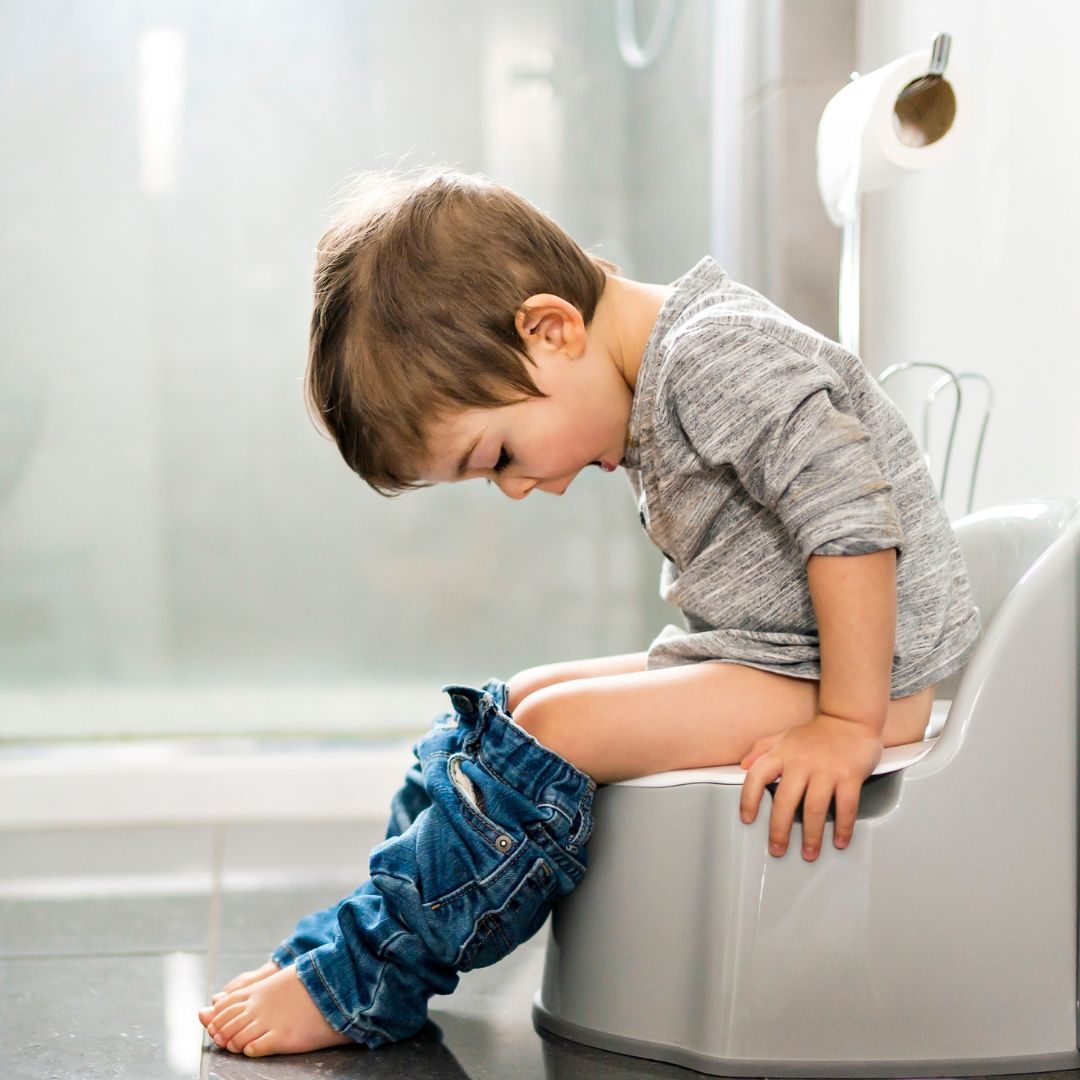
There is a special kind of hope that arrives when your toddler starts announcing, with great ceremony, that she has already gone in her diaper. My daughter did this for weeks one spring, standing behind the couch in our St. Cloud living room like she was reporting important news. I took it as a sign to rush out and buy everything. A wiser friend, a preschool teacher, told me to slow down: announcing is one sign, but readiness is a handful of them arriving together, and starting a little later almost always beats starting too early.
Most children show readiness somewhere between eighteen months and three years, with plenty of healthy variation on both sides. There is no prize for finishing first, and pressure tends to backfire on everyone. Use the signs below as your guide, pick simple gear, and expect a process measured in weeks or months, not a single magical weekend.
The Real Signs Your Child Is Ready
Readiness has three parts, and training goes smoothly when most of them are present at once. Physically, your child stays dry for stretches of about two hours or wakes dry from naps sometimes, has predictable bowel movements, and can pull pants up and down with a little help. Those dry stretches tell you the bladder can hold and release on purpose, which no amount of stickers can substitute for.
Cognitively, your child understands simple instructions, knows words for pee and poop, can tell you before or during the event rather than only after, and shows interest, watching you, asking about the potty, or wanting to flush. Behaviorally, look for a desire for independence, the famous insistence on doing it herself, dislike of a wet or dirty diaper, and the ability to sit still on a seat for two to three minutes without distress. Missing one or two signs is fine; missing most of them means wait a month and look again.
- Physical: dry for two-hour stretches, regular bowel patterns, basic clothing skills.
- Cognitive: understands and communicates about toileting, follows simple steps.
- Behavioral: wants independence, notices a dirty diaper, willing to sit and try.
Choosing a Seat: Mini Potty or Toilet Ring
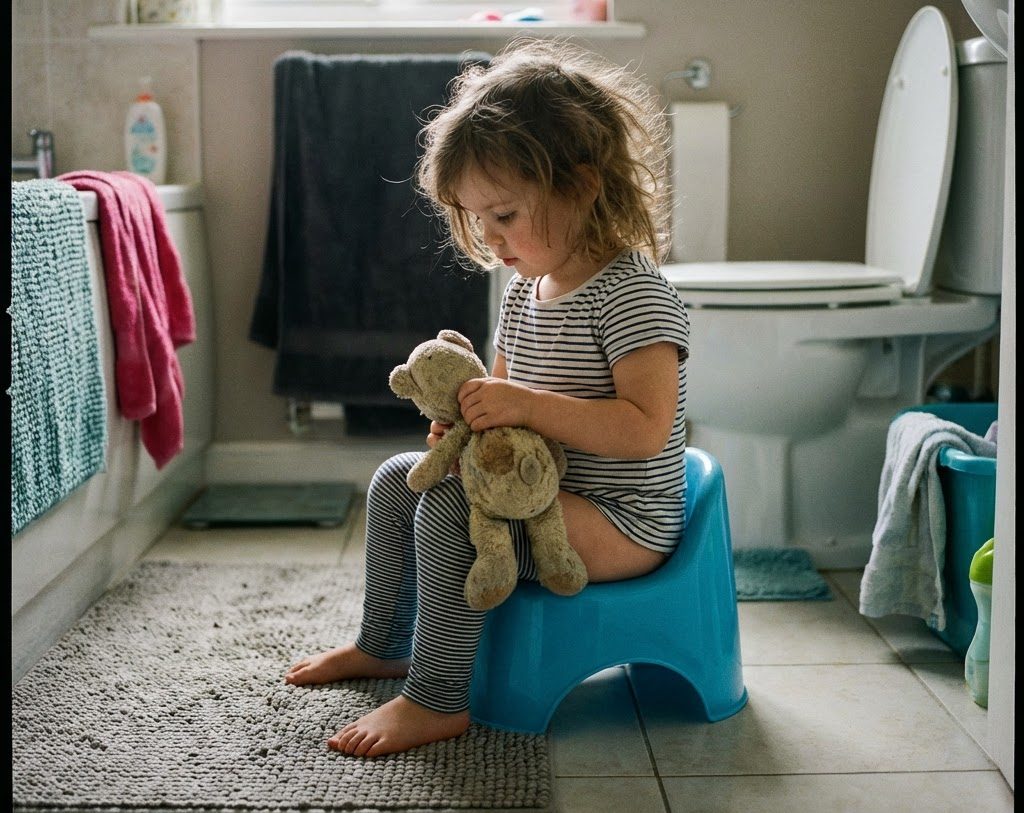
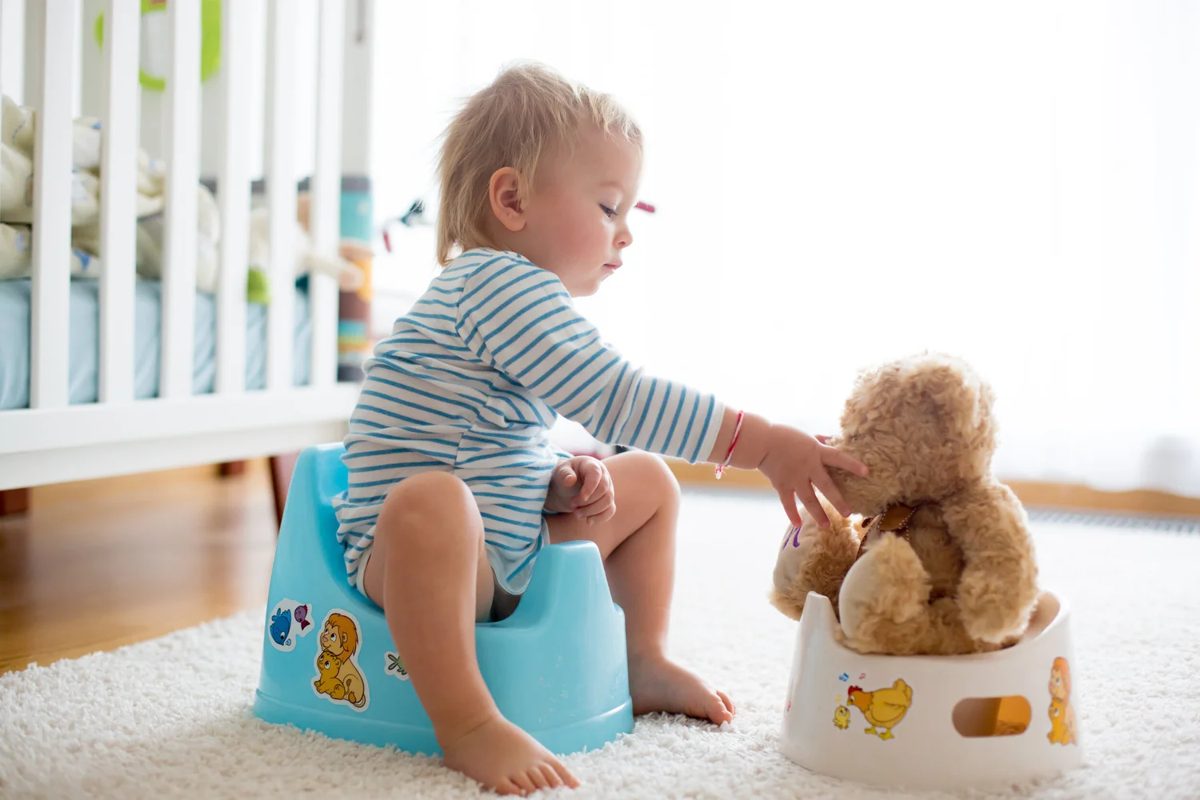
A mini potty sits on the floor, sized for small legs, with feet planted flat, which helps toddlers bear down comfortably. It is portable, unintimidating, and perfect for the early stage when making it to the bathroom in time is the whole challenge. The trade-off is cleaning: you will empty and rinse it after every use, so choose a model with a simple removable inner bowl and few crevices.
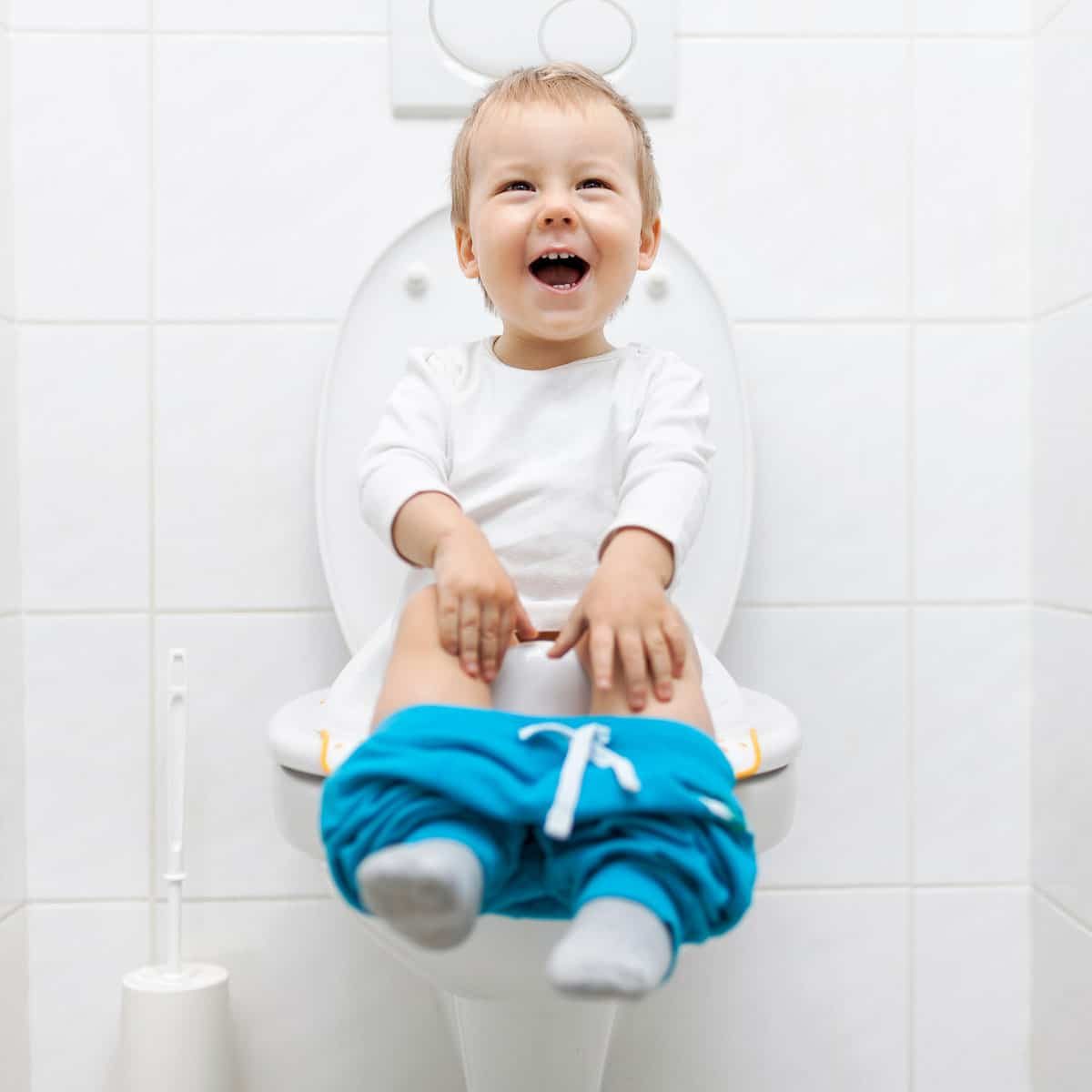
A toilet ring insert shrinks your regular toilet to toddler size, often with handles, and pairs with a sturdy step stool so feet rest flat instead of dangling. There is nothing to empty, and kids who want to copy adults often prefer it. Some families buy both, starting with the mini potty in the main living area and graduating to the ring. Either choice is right; what matters is stability, a splash guard for boys who sit first, and a seat your child does not fear. Let your toddler help pick the color, sit on it fully clothed, and read books there before any real attempt.
Training Pants, Pull-Ups, and Going Bare
Cloth training pants are thicker than regular underwear with a lightly absorbent layer. They catch a small accident without hiding the wet feeling, and that feedback is exactly what helps a child connect the sensation with the dash to the potty. Disposable pull-ups, by contrast, wick moisture away almost like a diaper, which makes them excellent for naps, nights, car rides across Minnesota, and the first nervous week of preschool, but slower teachers during active training.
- Daytime at home: cloth training pants or regular underwear once attempts are underway, so your child feels accidents and learns.
- Outings and sleep: pull-ups without shame; nighttime dryness is a separate, hormonal milestone that often arrives months or years later.
- Stock up: six to ten pairs of training pants keeps laundry sane, since early days can burn through four pairs before lunch.
- Easy-up clothing: elastic waists and no snaps, belts, or overalls, because seconds count and independence is the goal.
Some families use short bare-bottom time at home to speed awareness. It works, with puddles as tuition, so confine it to washable floors and keep the potty within a few steps. Whatever you choose, dress for quick changes and keep spare clothes, wipes, and a wet bag in the car for the first month.
Accidents are not setbacks or defiance. They are data, the normal middle of learning, and your calm reaction is the lesson your child remembers most.
Setting Expectations and Handling Accidents
Plan on weeks of progress with plateaus, and a common pattern where bowel movements take longer to move to the potty than pee. Many children master daytime training and still need a diaper at night well into the preschool years, which is normal and not a training failure. Keep sessions short and cheerful: sit, try, celebrate effort, and leave after a few minutes if nothing happens. Praise and a simple routine outperform elaborate reward charts for most kids, though a sticker for trying is harmless fun.
When accidents happen, and they will, often in the grocery store checkout line, respond with boring kindness. Help your child change, involve her in cleanup at her level, and move on without lectures or disappointment. If you hit two weeks of tears, resistance, or no progress at all, pause and restart in a month; pediatricians treat that as wisdom, not defeat. Mention constipation, pain, fear of flushing, or regression after months of success to your doctor, since those have practical fixes.
Frequently Asked Questions
What age should potty training start?
Most children are ready between eighteen months and three years, and readiness signs matter far more than the birthday. Starting when the signs are present usually means a shorter, calmer process than starting early out of pressure from comparison or a deadline.
Should boys sit or stand to learn?
Most experts suggest boys learn sitting down first, since it works for both pee and poop and keeps aim out of the equation. Standing can come later, once sitting is reliable, often by watching Dad. A splash guard on the seat helps during the sitting stage.
How long does potty training take?
Daytime training commonly takes a few weeks to a few months, with accidents tapering gradually rather than stopping overnight. Nighttime dryness follows its own timeline and may take years. If progress stalls completely or your child seems distressed, pausing and asking your pediatrician is always reasonable.