Playards and Portable Cribs: For Travel and Grandma's House
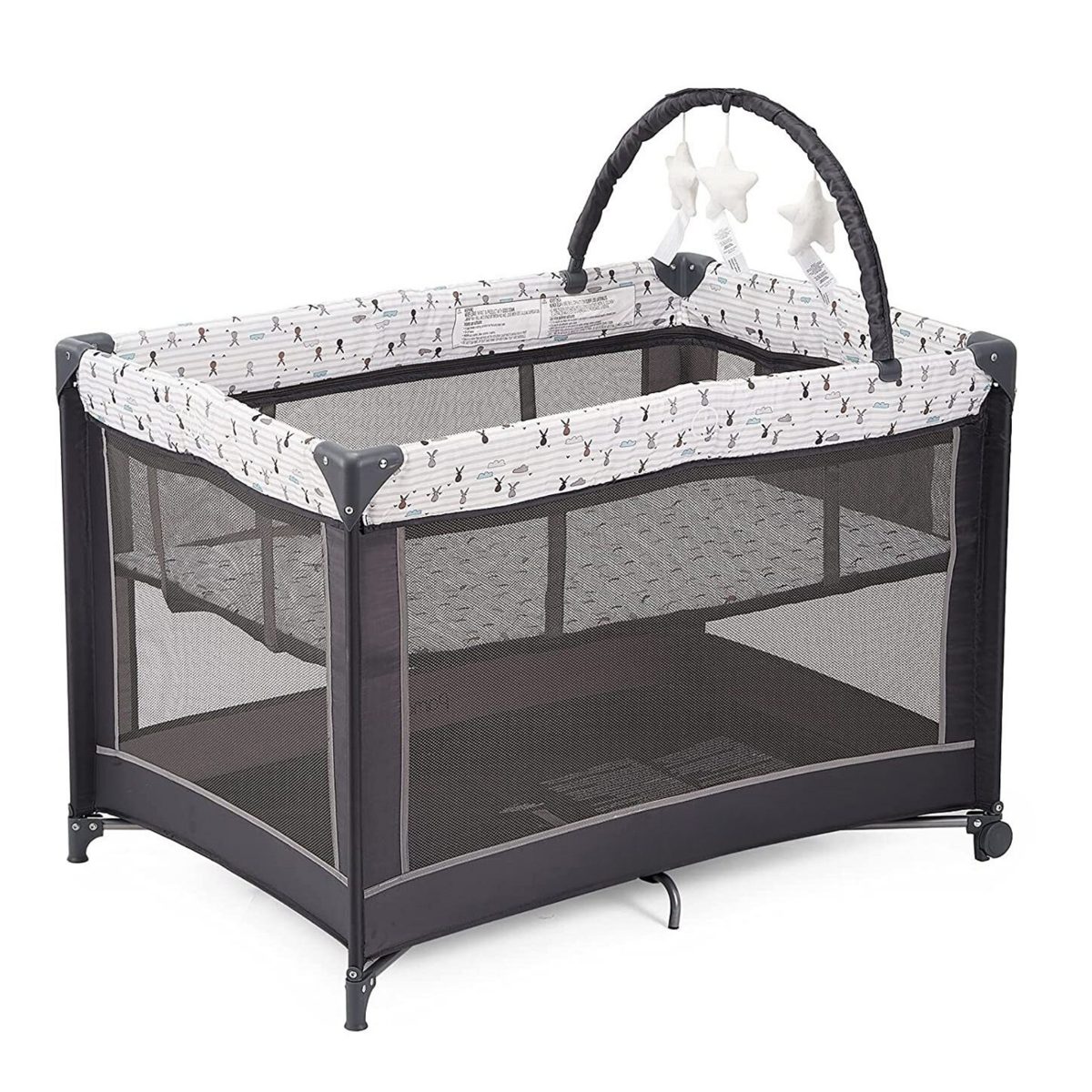
The first time we drove to Grandma's house in Brainerd with our son, we packed like the car was a moving van: a full crib was never going to fit, so we borrowed a playard from a neighbor, wrestled it into the trunk in the snow, and arrived with a baby who had slept the whole way and parents who had not. That playard became the MVP of the weekend, serving as crib, play space, and the only safe spot to set him down while Grandpa made pancakes. A good playard earns its keep at home, at Grandma's, and on every road trip north.
Playards, also called portable cribs or travel cribs and often sold under names like Pack 'n Play, are the multi-tool of baby gear. The right one folds without a fight, weighs little enough to carry one-handed, and meets current safety standards for sleep. Here is how to choose one and use it safely, whether it lives at your house or waits in Grandma's closet.
Weight, Fold, and Setup: The Travel Test
Playards range from about thirteen pounds for minimalist travel cribs to nearly thirty pounds for feature-heavy models with bassinets and changing stations. If yours will fly or ride in a packed car often, every pound matters, and a compact fold with a carry bag matters even more. If it will mostly sit at Grandma's house, a heavier model with extras is perfectly fine and often cheaper.
Before you buy, fold and unfold the floor model or watch a full setup video. The classic playard fold, where you lift the center hub and collapse the rails in a specific order, takes most parents two or three tries to learn and thirty seconds once learned. Travel cribs with scissor-style frames often set up faster. Practice at home on a calm afternoon, not in a hotel room at midnight with a crying baby and an audience.
- Under 20 pounds: Best for flights, small cars, and frequent moves between houses.
- 20 to 30 pounds: Fine for car travel and semi-permanent spots at Grandma's.
- Check the folded size against your trunk or closet before you commit.
- Look for a sturdy carry bag with handles, since loose parts vanish on trips.
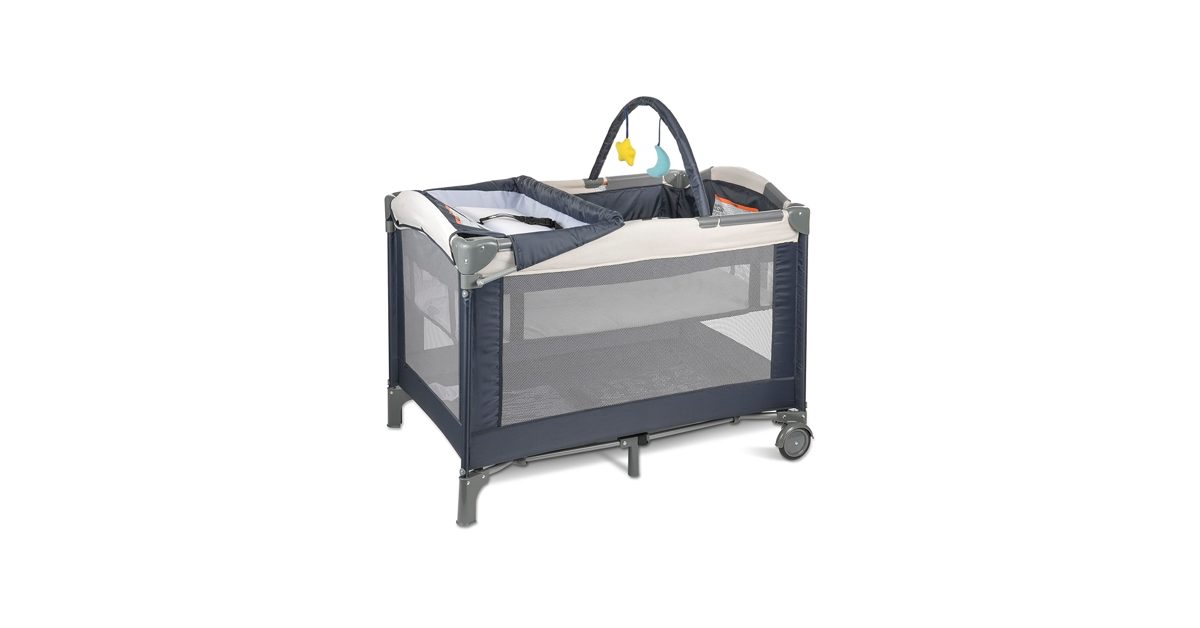
Safety Standards for Sleep in a Playard
A playard that meets current federal safety standards, including the CPSC requirements for play yards, is approved as a safe sleep space when used correctly. Set it up fully so all rails lock, use only the firm, flat mattress or pad that came with it, and fit it with a snug sheet made for that model. Your baby sleeps on their back, in a bare space, just like in a crib at home.
Skip secondhand playards with missing parts, torn mesh, or a history you do not know, and check any older model against current recall lists before using it. The bassinet attachment, the raised insert that shortens the drop for newborns, is helpful for the first months, but stop using it at the weight or milestone limit in the manual, often around fifteen pounds or when your baby pushes up. This guide is general information, not medical advice, so ask your pediatrician about sleep questions for your baby.
- Lock every rail and press the floor flat before each use.
- Use only the included pad, secured so it cannot bunch or shift.
- Keep it bare: No pillows, loose blankets, toys, or positioners inside.
- Stop using it when your child reaches the height or weight limit, often 35 inches or 30 pounds, or can climb out.
Teach Grandma the same rules you use at home: back to sleep, bare playard, included mattress only. A quick, cheerful demo at drop-off prevents well-meaning extras later.
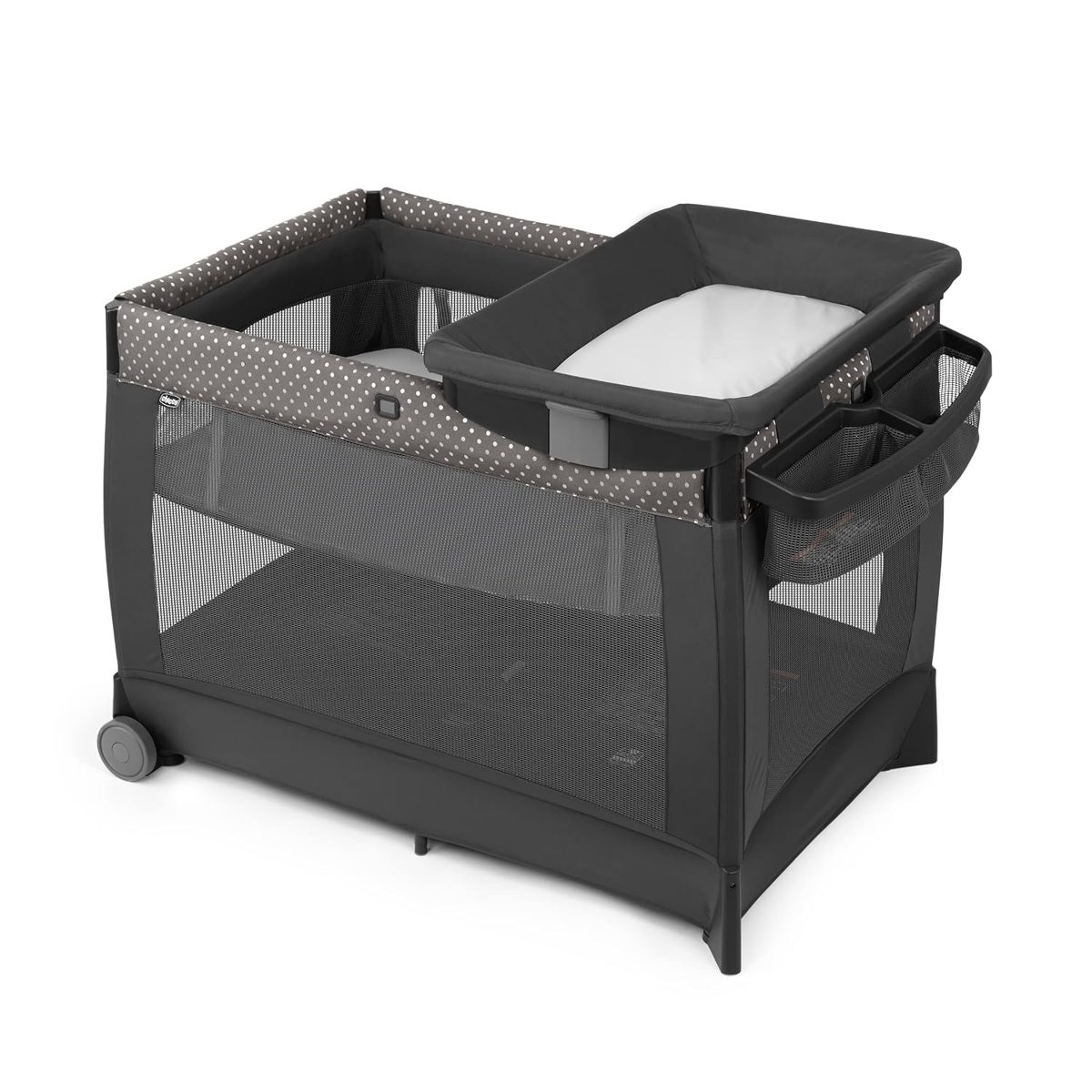
The Extra Mattress Question: Safe vs. Not Safe
This is where well-intentioned money gets wasted. Many parents feel the included pad is too thin and buy a thick aftermarket mattress to add comfort. Manufacturers and safety experts advise against adding a separate mattress or topper to a playard, because extra padding can create gaps at the edges where a baby can become trapped, and a softer surface is not a safer sleep surface. The firm included pad is designed for your baby's safety, and babies sleep on it far better than adults imagine.
What you can add is a fitted sheet made for your exact model, and, for warmth, a sleep sack on your baby rather than bedding in the playard. If the pad is damaged, warped, or missing, order the manufacturer's replacement for your model instead of substituting a generic one. Comfort upgrades belong in your hotel bed, not in the baby's sleep space.
A Packing Checklist for Trips and Grandma's House
Keep a small kit stored inside the folded playard so it is always trip-ready. Restock it after each trip while you still remember what ran out, which for us was always the spare sheet, usually at the exact moment of a diaper blowout in a rest stop parking lot off I-35.
- Two fitted sheets made for your playard model, because one will get dirty.
- Sleep sack in the right TOG for Grandma's guest room or the hotel.
- White noise machine or app, plus its charger, to recreate home sounds.
- Portable blackout shade or large dark sheet and clips for bright rooms.
- Pajamas, diapers, and wipes for the first night, stored in the carry bag pocket.
- A familiar lovey only if your child is over twelve months; younger babies sleep with nothing extra.
At Grandma's house, set the playard away from window blind cords, heaters, and furniture a climbing toddler could use as a ladder. Do a sixty-second scan at baby height each visit, since a house that was safe in October gains Christmas decorations, medications, and small objects by December. A familiar sleep space in a checked corner makes bedtime away from home dramatically easier for everyone.
Frequently Asked Questions
Can my baby sleep in a playard every night, or only for travel?
A playard that meets current safety standards, set up with its included firm pad and a fitted sheet, is an acceptable everyday sleep space, not just a travel backup. Many families use one in the parents' room for the first six months. Follow the manufacturer's weight and height limits and stop when your child can climb out.
What is the difference between a playard and a travel crib?
The terms overlap a lot. Travel cribs are usually lighter, fold smaller, and sometimes sit with the mattress at floor level behind a zippered mesh door, while classic playards are heavier with more attachments. Both can be safe for sleep when they meet current standards and are used with their included mattress. Choose based on weight, fold, and how often you will move it.
Can I buy a used playard to keep at Grandma's house?
Only with caution. You need the model number, all original parts including the correct pad, intact mesh and rails, and a check against current recall lists. If any of that is missing or unclear, a basic new playard costs less than the worry. Never use a playard with a damaged or substitute mattress.