Rainbow Plates for Toddlers: Color They'll Actually Eat
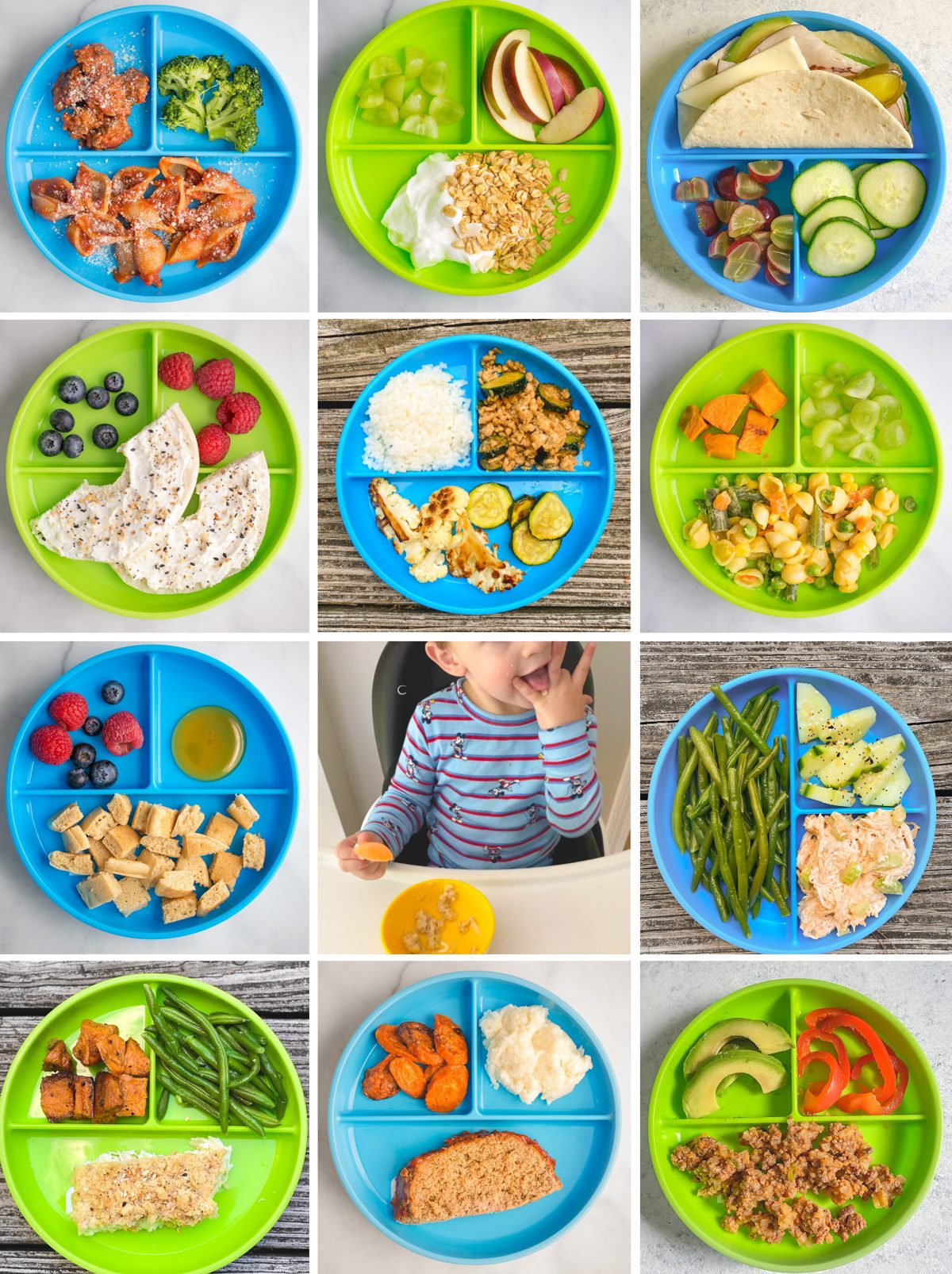
My youngest learned her colors at the dinner table, not from a puzzle. It started by accident on a February evening in Rochester when the light outside was gone by five and everything on our plates looked beige, as February food in Minnesota tends to do. I put three red pepper strips next to her sweet potato just to cheer the plate up, and she pointed, named the color, and then, to my amazement, ate both foods without the usual negotiation.
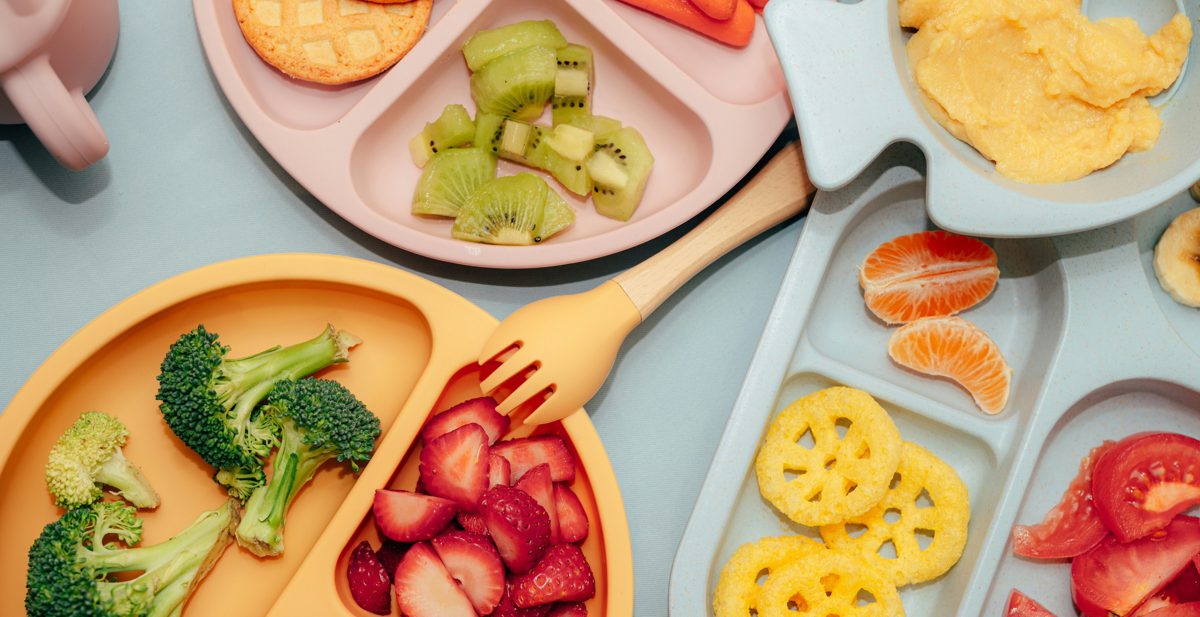
A rainbow plate is not a craft project and it does not require a trip to a specialty store. It is simply a plate built from real foods in several colors, offered in small amounts, with textures matched to your toddler's age. Here is how to build one for every color, keep it safe, and use it with a picky eater without turning dinner into a standoff.
Building the Rainbow, Color by Color
- Red: Watermelon chunks, halved cherry tomatoes, red pepper strips, strawberries cut lengthwise, raspberries pressed flat for the youngest toddlers, and cooked beets cut into sticks.
- Orange: Sweet potato wedges roasted until soft, mango strips, cantaloupe, cooked carrot coins, orange pepper strips, and small pieces of cheddar cheese.
- Yellow: Banana slices, scrambled egg, corn kernels cut off the cob, yellow squash cooked soft, pineapple tidbits, and small cubes of mild cheese.
- Green: Steamed broccoli florets with a little stem handle, avocado slices, kiwi peeled and sliced, soft peas, cucumber spears with seeds removed, and green beans cooked until tender.
- Blue and purple: Blueberries halved or pressed, blackberries cut lengthwise, purple grapes quartered lengthwise, roasted purple sweet potato, and a small spoonful of black beans.
- White and tan: Cauliflower steamed soft, banana's paler cousins like pear slices, small pieces of chicken or turkey, tofu cubes, oatmeal bites, and strips of tortilla or pita.
You do not need all six colors at every meal. Three or four colors on a plate already looks like a rainbow to a two-year-old, and lunch can finish what breakfast started. Frozen vegetables count completely here. A bag of frozen peas and a frozen mango are doing the same job as fresh, often at a better price in winter.
Textures That Are Safe by Age
Color gets a toddler interested, but texture decides whether the food is safe and manageable. A few rules cover most of the rainbow foods above.
- Cut round foods lengthwise: Grapes, cherry tomatoes, and blueberries should be quartered or halved lengthwise for children under four, never served whole or cut into round coins.
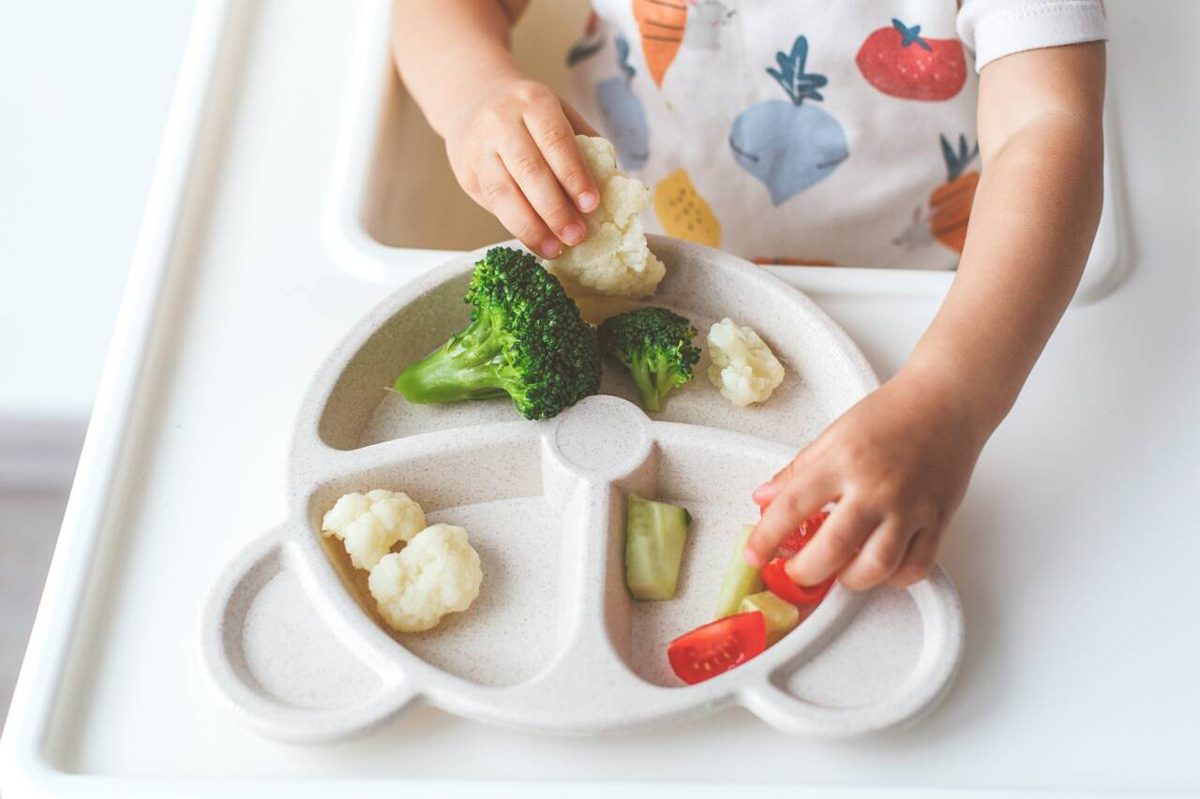
- Soft enough to squish: For babies and young toddlers, a food is ready when you can squish it easily between your fingers. Steam carrots, broccoli, and cauliflower until they pass that test.
- Skip the hard and sticky: Whole nuts, raw carrot sticks, popcorn, and thick spoonfuls of nut butter are choking risks for toddlers. Use thin spreads of nut butter and finely chopped nuts instead.
- Offer a handle: Toddlers eat more of foods they can hold. Broccoli stems, sweet potato wedges, and pepper strips with a dip give small hands a job they enjoy.
Always seat toddlers upright in a high chair or booster for eating, and keep mealtimes at the table rather than in the car seat or stroller, where a coughing child is harder to see and help.
A simple weekly rhythm keeps this affordable and low-effort. Pick two fresh colors to buy each week, lean on frozen staples for two more, and let pantry foods like beans, cheese, and tortillas fill the rest. Wash and cut produce once, store it in clear containers at the front of the fridge, and a rainbow plate becomes a five-minute assembly instead of a project. Leftovers from the family dinner, cut smaller and served cold or gently reheated, count fully toward tomorrow's plate. Toddlers rarely care whether the sweet potato was cooked today or yesterday, and using what you already cooked is what makes this habit survive a busy winter week after week.
A No-Pressure Strategy for Picky Eaters
The rainbow plate works best as exposure, not as a test. Put a tiny amount of each color on the plate, including one food you know your child already likes, and then say almost nothing about it. Name colors if your child enjoys that game. Let them poke, lick, sort, and reject freely. A rejected food is not a failed food; toddlers often need to see a new food many times, across many ordinary meals, before tasting it on their own schedule.
Serve the rainbow plate as part of the family meal rather than as a separate toddler production, and eat the same foods yourself when you can. A green bean on Mom's plate that Mom is clearly enjoying teaches more than any amount of encouragement. Keep portions small so the plate looks abundant instead of overwhelming, and refill the favorites freely. Pressure backfires with toddlers almost every time, while boredom, repetition, and watching everyone else eat do the quiet work over weeks.
Your job is to put the rainbow on the plate. Your toddler's job is to decide what happens next. Keeping those two jobs separate makes dinner calmer for everyone.
Frequently Asked Questions
How many colors should I serve at one meal?
Three or four is plenty for most meals, and even two bright colors beside a familiar food changes how a plate feels to a toddler. Aim for variety across the whole day rather than perfection on one plate. A red breakfast, green lunch, and orange dinner add up to the same rainbow.
What if my toddler only eats one color?
That is a normal phase, not a problem to solve tonight. Keep offering small amounts of the other colors alongside the favorite without comment, and keep the favorite itself well stocked. Phases usually pass in weeks, especially when nobody turns the rejected colors into a power struggle.
Are frozen and canned fruits and vegetables okay for rainbow plates?
Yes. Frozen peas, mango, and berries are picked ripe and work beautifully, and canned fruit packed in juice rather than syrup is a practical winter option. Rinse canned vegetables to reduce sodium, and cut everything to a toddler-safe size just as you would with fresh produce.