Homemade Baby Food: First Purees Made Simple
When my oldest was five months old, I stood in the baby food aisle doing math on tiny jars and feeling quietly overwhelmed, until my mom reminded me that her generation fed babies with a fork, a pot of whatever was cooking, and common sense. That first weekend I steamed a single sweet potato, mashed it with a splash of the cooking water, and froze the extra in an ice cube tray the way she described. My daughter grabbed the spoon and painted her entire face orange, and I remember thinking, oh, we can actually do this.
Making your first purees at home is simpler than the jar aisle suggests, and it does not require a special baby food machine or a free afternoon. One short batch cooking session with sweet potatoes, carrots, and pears gives you a freezer stash of single-ingredient first foods, which is exactly how most pediatricians suggest starting: one new food at a time, in smooth, thin purees. This guide covers when to start, how to steam and blend each food, and how to freeze and store purees safely, so you can feel calm instead of guessing.
A gentle note before we start: every baby develops on their own timeline, so please check with your child's pediatrician before beginning solids, and ask about any history of food allergies in your family. This guide shares what worked for our family and general, widely published guidance; it is not medical advice.
Signs Your Baby May Be Ready
Most babies are ready for first foods around 6 months, and readiness signs matter more than the calendar. Look for a baby who can sit up with good head and neck control, shows interest in your food by watching and reaching, opens their mouth when a spoon comes near, and has lost the tongue-thrust reflex that pushes food right back out. If your baby was born early or has other health concerns, your pediatrician may suggest a different timeline, which is another reason that quick conversation at the 4 or 6 month visit is worth having first.
Batch Cooking the First Three Purees
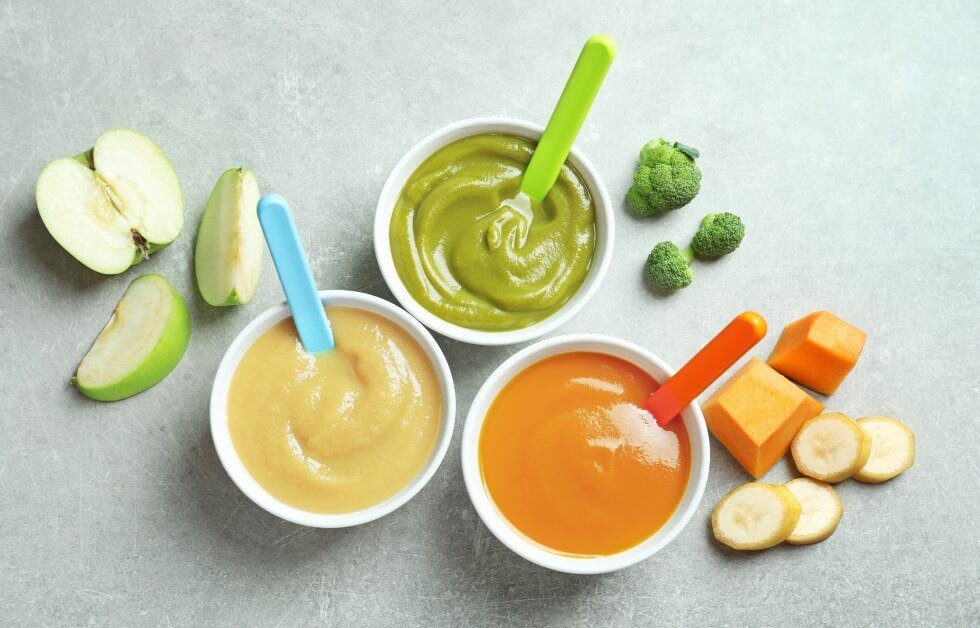
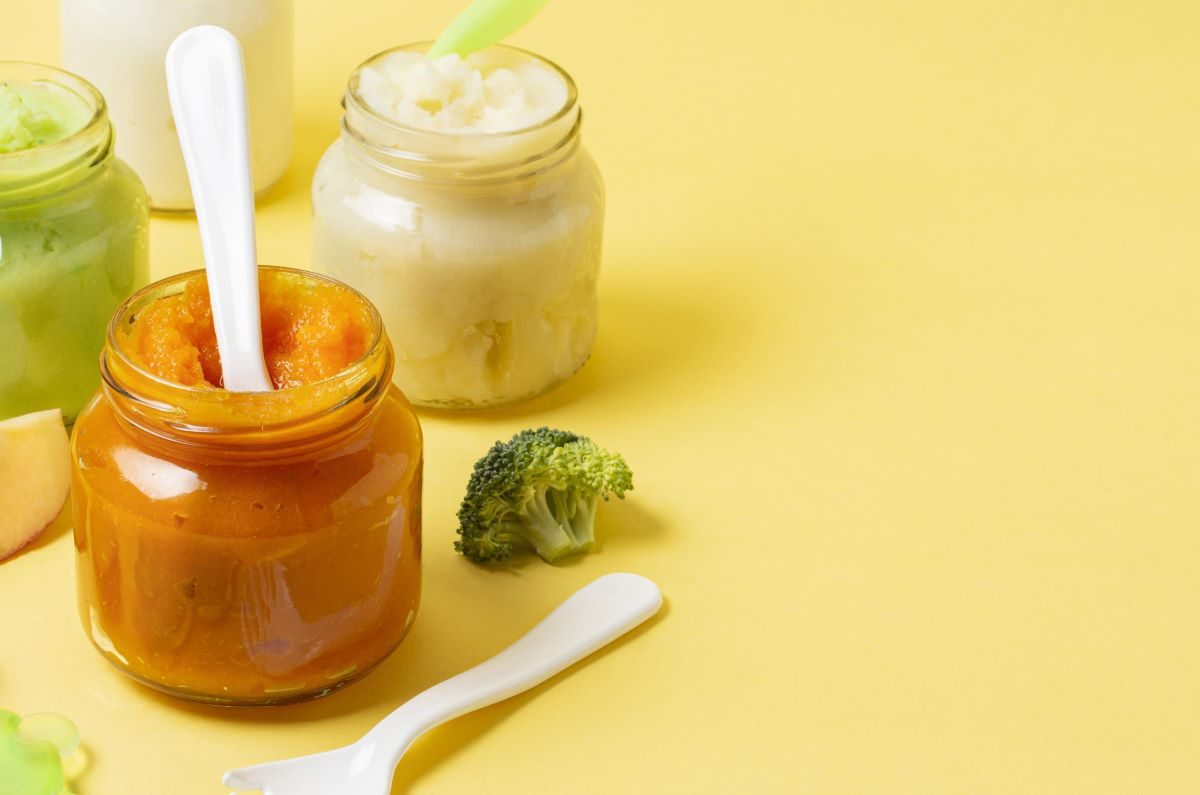
Start with three gentle, naturally sweet foods that blend silky smooth: sweet potato, carrot, and pear. Make one food per batch, taste and freeze each separately, and introduce them one at a time a few days apart, which makes it easy to notice any reaction. Each batch below makes roughly 12 to 16 one-ounce cubes, about a week and a half of first tastes.
- 2 medium sweet potatoes (about 1 pound), peeled and cut into 1/2 inch chunks
- 4 large carrots (about 1 pound), peeled and sliced into thin coins
- 3 ripe pears (about 1 pound), peeled, cored, and cut into chunks
- Water, breast milk, or formula, as needed for blending, up to 1/2 cup per batch
- 2 clean ice cube trays with lids, or silicone baby food trays
- Freezer bags or airtight containers, plus a marker for labels
- Step 1: Wash your hands, the produce, and your trays and blender well. Peel and cut one food at a time so flavors and colors stay separate.
- Step 2: Place the sweet potato chunks in a steamer basket over about 1 inch of simmering water. Cover and steam for 15 to 20 minutes, until a fork slides in with no resistance at all. First purees need produce cooked completely soft.
- Step 3: Transfer the sweet potato to a blender with 1/4 cup of the warm steaming water. Blend until completely smooth, adding liquid 1 tablespoon at a time until the puree falls off a spoon in a thin, soupy ribbon. Early purees should be thinner than you expect, closer to pourable yogurt than to mashed potatoes.
- Step 4: Repeat the same method with the carrots, steaming the coins for 12 to 15 minutes until very soft, and blending with fresh steaming water. Carrots often need an extra tablespoon or two of liquid to get truly smooth.
- Step 5: Steam the pear chunks for just 8 to 10 minutes, until soft but not falling apart, and blend with only a spoonful or two of liquid. Pears are naturally juicy and usually make the thinnest puree of the three with almost no added water.
- Step 6: Let each puree cool to room temperature within about 30 minutes, then spoon it into the ice cube trays, cover, and freeze until solid, at least 4 hours or overnight.
Freezer Cubes and Safe Storage Rules
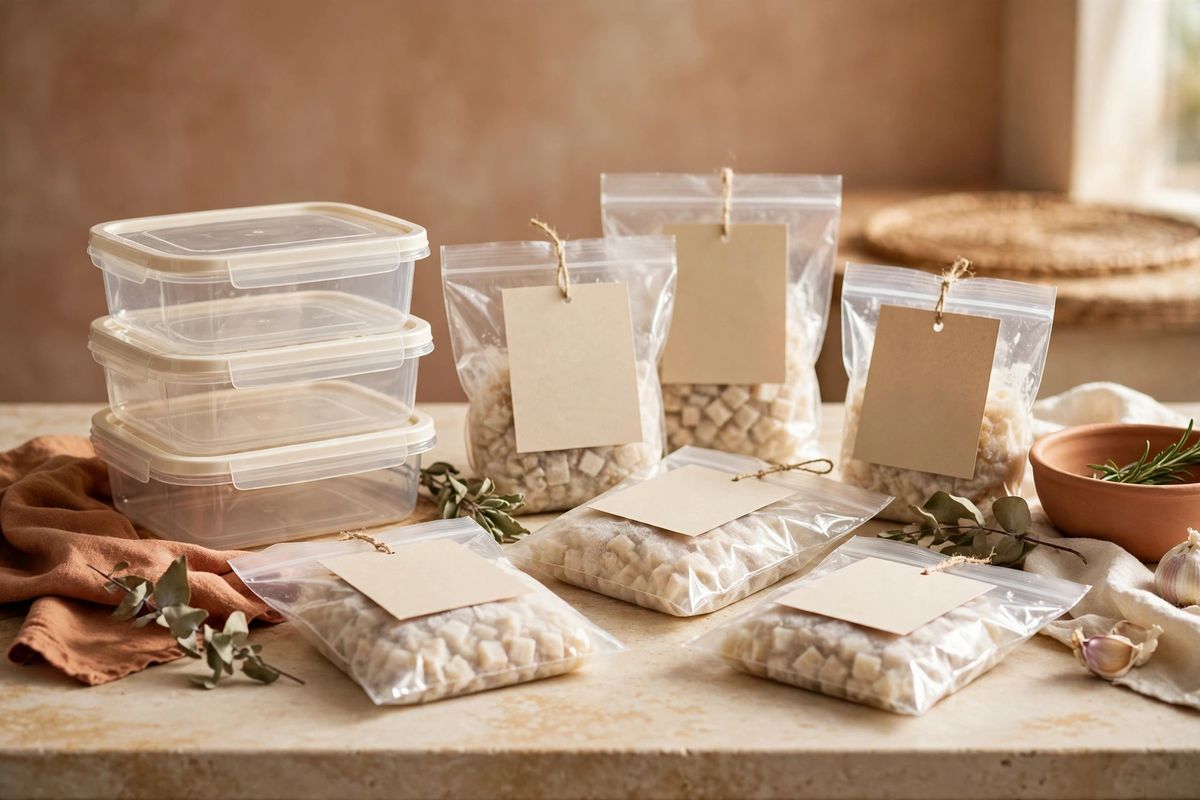
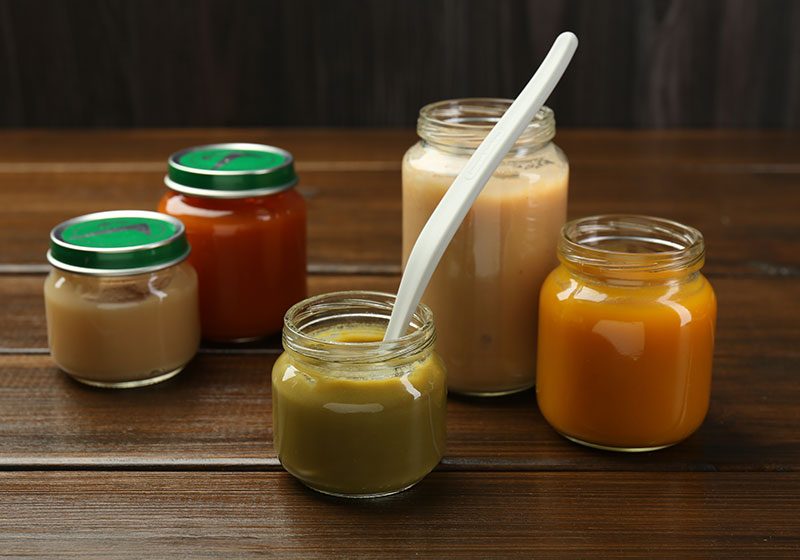
The ice cube tray method is the whole system, and it is a good one. Each standard cube is about 1 ounce, which makes portions easy to count and thaw. Once the cubes are frozen solid, pop them out, seal them in a freezer bag with the air pressed out, and label the bag with the food and the date. Frozen purees keep best quality for about 3 months in the freezer. In the refrigerator, thawed or freshly made puree keeps for up to 48 hours, and anything your baby's spoon has touched during a meal should be tossed rather than saved, since saliva introduces bacteria. Thaw cubes overnight in the fridge or warm them gently in a bowl of warm water, stir well to even out any hot spots, and always test the temperature on the inside of your wrist before serving.
Serving the First Tastes
Start with 1 or 2 cubes, thawed and thinned if needed, once a day, and expect more puree on the bib than in the baby at first. That is normal and fine; these first weeks are about practice, flavors, and fun, while breast milk or formula remains the main nutrition for the first year. Offer one new food for 2 to 3 days before starting the next, keep a little note on the fridge of what you served and when, and follow your baby's cues about being done: turning away, closing the mouth, or pushing the spoon are all clear enough. As your pediatrician gives the go-ahead, you can thicken purees gradually, mix favorites together, and move toward soft finger foods.
Frequently Asked Questions
Do I need a special baby food maker?
No. A pot with a steamer basket and any standard blender or food processor does the whole job, and a fork can mash very soft foods for slightly older babies. Dedicated baby food machines steam and blend in one container, which is convenient, but the purees themselves are identical.
How long can homemade puree stay in the freezer?
For best quality and nutrition, use frozen puree cubes within about 3 months, and keep them in a sealed, labeled bag so you always know what is what. Refrigerated puree should be used within 48 hours. When in doubt about a batch you cannot date, throw it out and make fresh.
Should I add salt, sugar, or honey to make it taste better?
No. Babies do not need added salt or sugar, and plain purees help them learn the true flavors of foods. Honey is the one firm rule: never give honey, in any form, to a baby under 12 months, because of the risk of infant botulism. Ask your pediatrician if you are ever unsure about an ingredient.