Budget Breakfasts: 8 Filling Family Breakfasts That Cost Very Little

Breakfast is the meal where the grocery budget quietly leaks. Boxes of cereal vanish in three days, the toaster pastries are gone before the weekend ends, and everyone is hungry again by nine. Meanwhile, some of the most filling, kid-approved breakfasts in existence are built on the cheapest staples in the store: oats, eggs, flour, potatoes, and bananas that have seen better days.
The eight breakfasts below are the ones budget-savvy families actually rotate — inexpensive by design, filling enough to last until lunch, and realistic on a school morning. Several can be made ahead on the weekend, because the cheapest breakfast is the one that does not get replaced by a drive-thru stop on a chaotic Tuesday.
The Staples That Keep Breakfast Cheap
Every recipe here draws from the same short list of inexpensive workhorses. Stock these and breakfast mostly takes care of itself.
- Rolled oats: the backbone of oatmeal, baked oatmeal, and overnight oats — bought in a large container, they cost pennies per bowl.
- Eggs: protein that cooks in minutes and pairs with almost anything already in your fridge.
- Flour, baking powder, and sugar: the pancake and muffin kit hiding in your pantry.
- Potatoes: fresh or frozen, they turn a couple of eggs into a full skillet breakfast.
- Bananas: the riper, the better — natural sweetness for oatmeal, muffins, and smoothies at the lowest price in the produce aisle.
- Milk and peanut butter: staying power and protein for growing kids.
Eight Filling Breakfasts to Rotate
- Big-batch baked oatmeal: stir oats, milk, eggs, brown sugar, cinnamon, and chopped apples or frozen berries into a baking dish on Sunday. Refrigerate and reheat squares all week — it tastes like dessert and keeps everyone full.
- Sheet-pan pancakes: pour your usual pancake batter onto a rimmed baking sheet and bake the whole batch at once. No standing at the stove flipping, no first pancake sacrificed. Cut into squares and let kids choose toppings.
- Egg and potato skillet: fry diced potatoes until crisp at the edges, then pour beaten eggs over the top and scramble everything together. Add a handful of cheese if you have it. Leftovers reheat beautifully in breakfast burritos.
- Banana oat muffins: the destiny of every bunch of overripe bananas. Mash, stir into a simple oat muffin batter, and bake a dozen. They freeze well and thaw in a lunchbox or during the drive to school.
- Overnight oats jars: oats, milk, a spoonful of peanut butter, and a drizzle of honey in a jar, assembled in two minutes the night before. Set out toppings in the morning and let everyone finish their own.
- Breakfast quesadillas: scrambled eggs and cheese folded into tortillas and crisped in a dry skillet. Add beans or leftover veggies when they are around. Fast, portable, and reliably eaten without negotiation.
- French toast from the bread ends: the heels and odds and ends of the bread bag become French toast with an egg, a splash of milk, and cinnamon. Slightly stale bread soaks up the custard best — this recipe exists to rescue bread, not waste it.
- Smoothie and toast plates: blend frozen fruit, banana, milk, and a spoonful of oats until thick, and serve small glasses alongside peanut butter toast. The oats in the smoothie are the secret — they turn a drink into a meal.
Make-Ahead Moves That Save the Morning
The real savings come from removing weekday friction. Spend forty minutes once a week and breakfast becomes a grab-and-reheat operation instead of a daily invention.
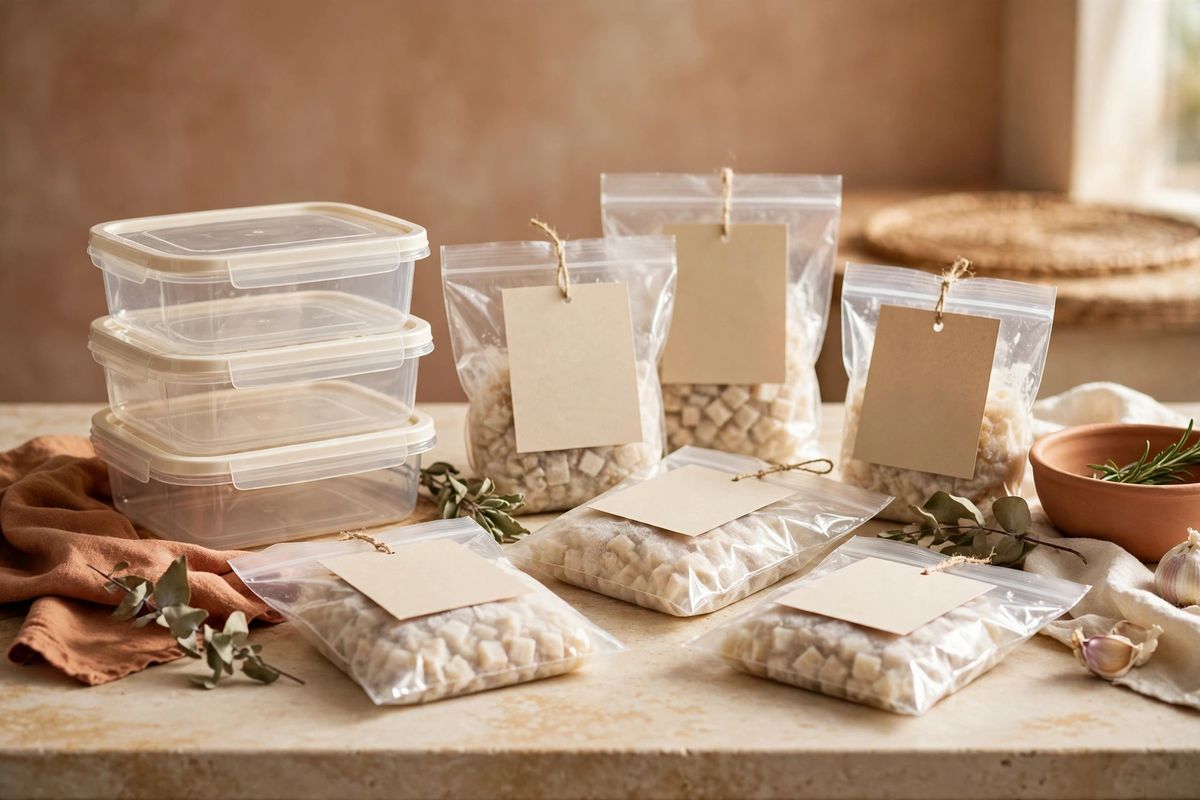
- Bake the oatmeal and a dozen muffins on Sunday; portion into containers by day.
- Wash fruit, portion smoothie ingredients into freezer bags, and set the table the night before.
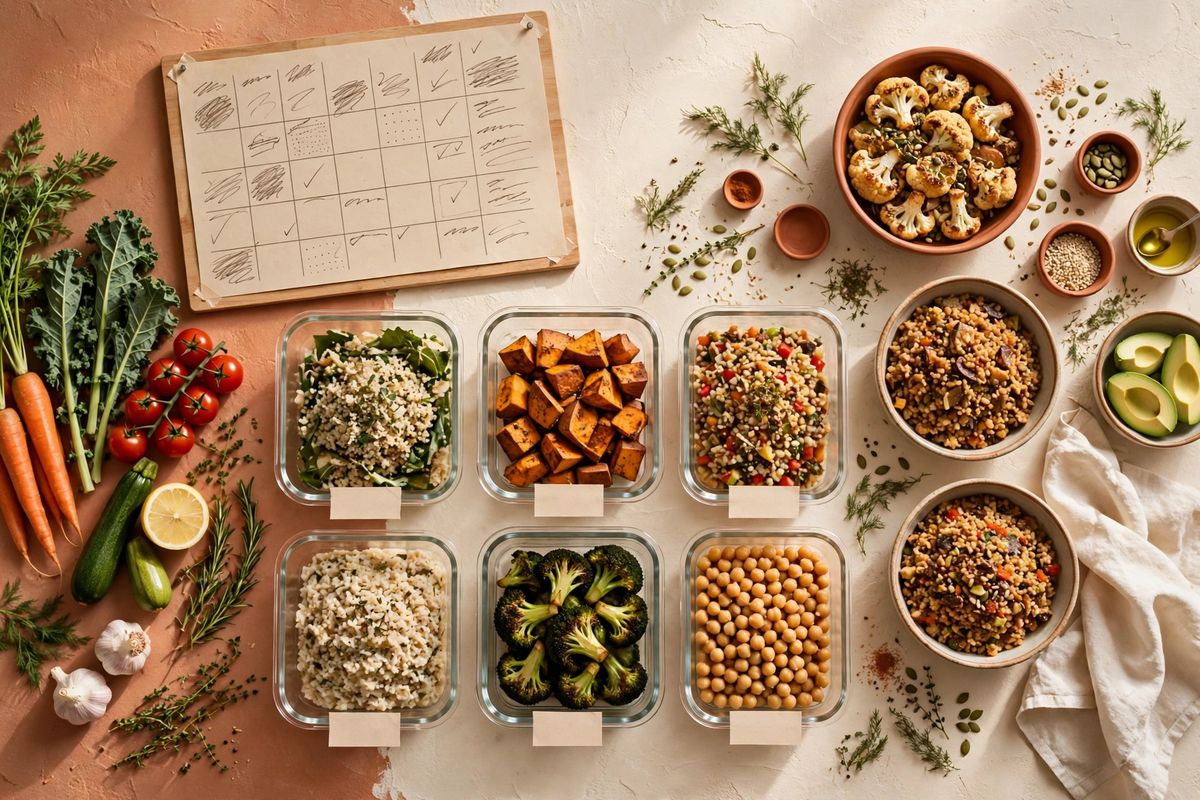
- Keep a written rotation on the fridge — Monday oatmeal, Tuesday eggs, and so on — so nobody has to decide anything at 6:30 in the morning.
- Freeze leftover pancakes and French toast between sheets of parchment; they reheat in the toaster like the store-bought kind, at a fraction of the cost.
A Note on Hungry Again by Nine
If your kids are starving an hour after breakfast, the issue is usually composition, not quantity. A breakfast of mostly sugar — even inexpensive sugar — burns off fast. Pair carbohydrates with protein or fat: eggs with toast, peanut butter with oatmeal, cheese with the quesadilla. That combination is what carries a child comfortably to lunchtime, and it costs very little more than the carb alone.
The same logic helps grown-ups, incidentally. A parent running on coffee and a child's discarded toast crust will hit the same wall by mid-morning. Sit down with the same eggs or oatmeal you made the kids — breakfast is one of the few budget habits that pays the whole family back within the hour.
Frequently Asked Questions
Which of these breakfasts is cheapest per serving?
Oatmeal in its baked, stovetop, or overnight forms almost always wins, because rolled oats bought in bulk are one of the least expensive filling foods in the store. The egg and potato skillet comes close behind, especially when potatoes are on sale.
How long do the make-ahead items keep?
Baked oatmeal and muffins keep well in the fridge for about four to five days, and muffins freeze for a few months. Overnight oats are best within two to three days. Cooked eggs in skillets and quesadillas should be eaten within three days.
What can I serve a child who refuses eggs and oatmeal?
Try the breakfast quesadilla with beans and cheese instead of egg, smoothies thickened with oats served alongside toast, or French toast made with a banana-based batter. Many egg-refusers accept eggs in muffin or pancake form, where the flavor disappears into the whole.