Birthday Party Planning Checklist: A Stress-Free Timeline for Parents
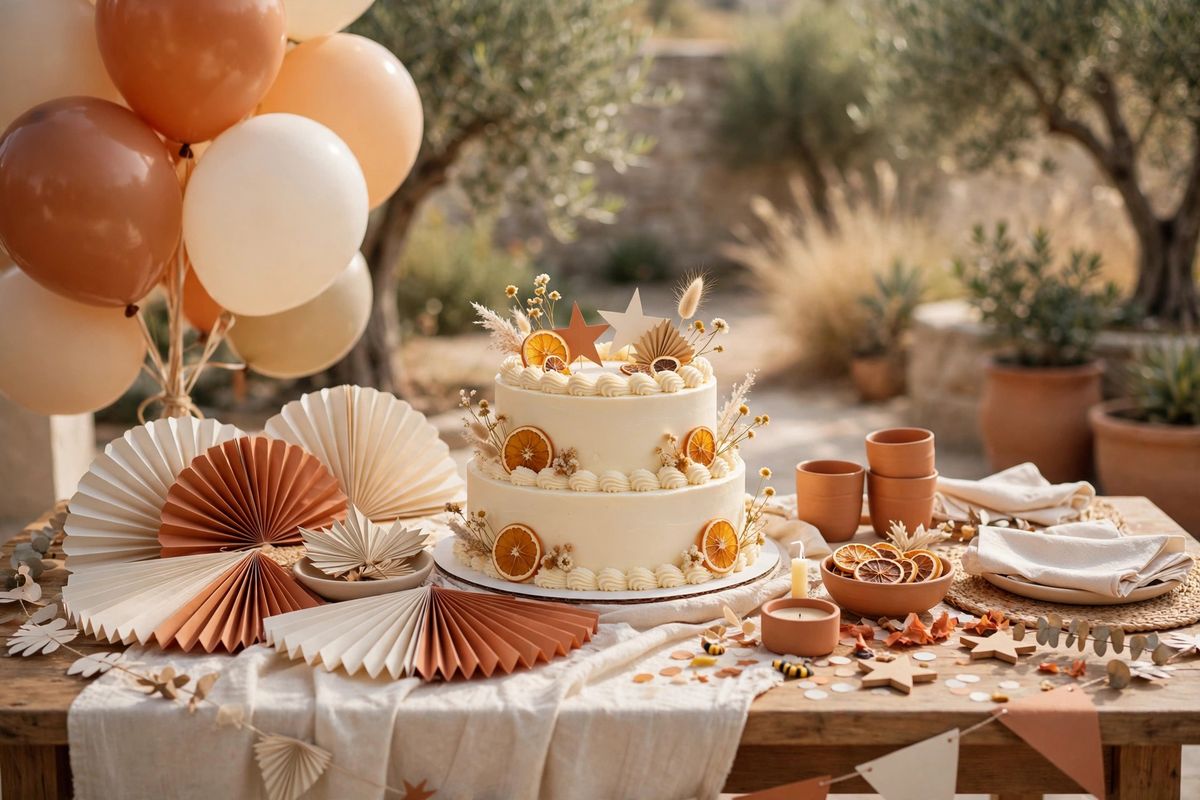
Somewhere around my third kids' birthday party, I stopped trying to improvise and started running the whole thing off a checklist. The difference was embarrassing. No more realizing at 10 a.m. on party day that nobody bought ice. No more frosting cupcakes while guests are pulling into the driveway. A birthday party is a project with a deadline, and like any project, it gets dramatically easier when you break it into a timeline.
Here is the exact schedule I use, tested through backyard parties, park parties, and one memorable winter party that had to move indoors with fourteen kids and a lot of energy. Adjust the guest count and theme to your family, but keep the order of operations. Working backwards from the party is what makes the day itself feel calm.
Four Weeks Before: The Big Decisions
This is the week for the handful of choices everything else hangs on. Sit down with your birthday kid for fifteen minutes, because their answers to three questions will shape the whole party.
- Pick the date, time, and place. Late morning and early afternoon parties are the sweet spot for younger kids. Two hours is plenty for under-eights; older kids can handle three.
- Choose a simple theme. A theme is really just a color scheme and one or two activities. Dinosaurs, rainbows, superheroes, or a favorite book all work, and simpler themes are cheaper and less stressful.
- Set the guest list together. A common guideline is your child's age plus one or two for younger kids. Whatever number you land on, write it down and stop adding names, because every extra guest adds food, favors, and noise.
- Book anything that needs booking. Park pavilions, bounce houses, pools, and entertainers go first. If the party is at home, this is your week to ask a grandparent or friend to be your official helper.
Three Weeks Before: Invitations and Orders
Send the invitations now, whether they are paper, digital, or a group text to the parents. Include the start and end times, your address, a note about whether parents should stay or drop off, and an RSVP date about a week before the party. Naming that RSVP date politely is the only way you will get an actual head count, and the head count drives everything else.
This is also the week to order anything that ships: decorations, party favors, paper goods, and any specialty cake supplies. Put it all in one box or bin as it arrives so nothing gets absorbed into the house. If you are ordering a cake from a bakery, place the order this week too. If you are making the cake, confirm your recipe and check your pans now, not later.
Two Weeks Before: Plan the Party Itself
Now sketch the flow of the party. Kids do best when the event alternates between high-energy and calm, and when nobody has to make decisions on the spot.
- Arrival activity (15 minutes). Something open-ended that early and late arrivals can both join, like coloring pages, a sticker station, or free play with a ball.
- Main activity or game (30–45 minutes). The big event: a scavenger hunt, relay races, a craft everyone makes, or the rented entertainment.
- Food and cake (30 minutes). Serve the meal or snacks, then cake and singing while everyone is already seated.
- Second, calmer activity (20–30 minutes). A simple game, a short group craft, or opening presents if that is your family's tradition.
- Wind-down and goodbyes (15 minutes). Hand out favors as kids leave, which gives the ending a clean shape instead of a slow fizzle.
Write this flow on one index card and keep it in your pocket on party day. When energy spikes or a game flops, you glance at the card instead of inventing a plan under pressure.
One Week Before: Food and Final Counts
Chase the last RSVPs with one friendly text, then lock your numbers. Plan food for the confirmed kids plus about twenty percent more, because siblings appear and appetites vary. Keep the menu boring in the best way: one main thing kids reliably eat, two or three simple sides, and drinks you can serve without bartending. Pizza, a sandwich tray, or a taco bar all beat an ambitious menu you are still cooking when the doorbell rings.
Do one full supply sweep this week. Plates, cups, napkins, candles, matches, trash bags, and a serving spoon for the cake are the classic forgotten items. Buy ice now if you have freezer room, or assign it to your helper for party day. If any food can be made ahead and frozen, this is the week to do it.
The Day Before and Party Day
The day before is for everything that can possibly be done early. Decorate the party area, blow up balloons or assign them to morning-of, move furniture, set out the trash can where guests can find it, and prep every bit of food that tolerates a night in the fridge. Bake or pick up the cake. Charge your phone, because you are the photographer, and lay out the birthday kid's outfit and your own, because you will forget yourself otherwise.
On party day, work backwards from start time. Food that needs cooking goes in about ninety minutes before guests arrive. The party area gets its final tidy an hour out. Music on, favors by the door, and your helper briefed on where things are. Then, when the first car pulls up, you get to do the radical thing: stop setting up and enjoy the party. The checklist bought you that. Something small will still go sideways, because it always does, and it will not matter at all.
The secret to a calm party day is not working faster. It is having almost nothing left to decide. Decisions are what exhaust you; a timeline makes them weeks early, one at a time.
Frequently Asked Questions
How long should a kids' birthday party last?
Two hours is the sweet spot for kids under eight, and two and a half to three hours works for older elementary kids. Longer parties need more structure, more food, and more adult stamina. Put the end time right on the invitation so pickups are painless.
How many kids should we invite?
A popular starting point is your child's age plus one or two guests for younger children. Also weigh your space and your budget honestly. A smaller party your child fully enjoys beats a huge one that overwhelms everyone, including the guest of honor.
Do we have to open presents during the party?
Either way is fine, and families land on both sides. Opening presents live is exciting but can stall the party and spark comparison. Many parents now set gifts aside for after the party and send thank-you notes or photos later. Choose one approach, and if you skip live opening, let your child know ahead of time so it is not a surprise.