Stocking Stuffers for Kids, by Age

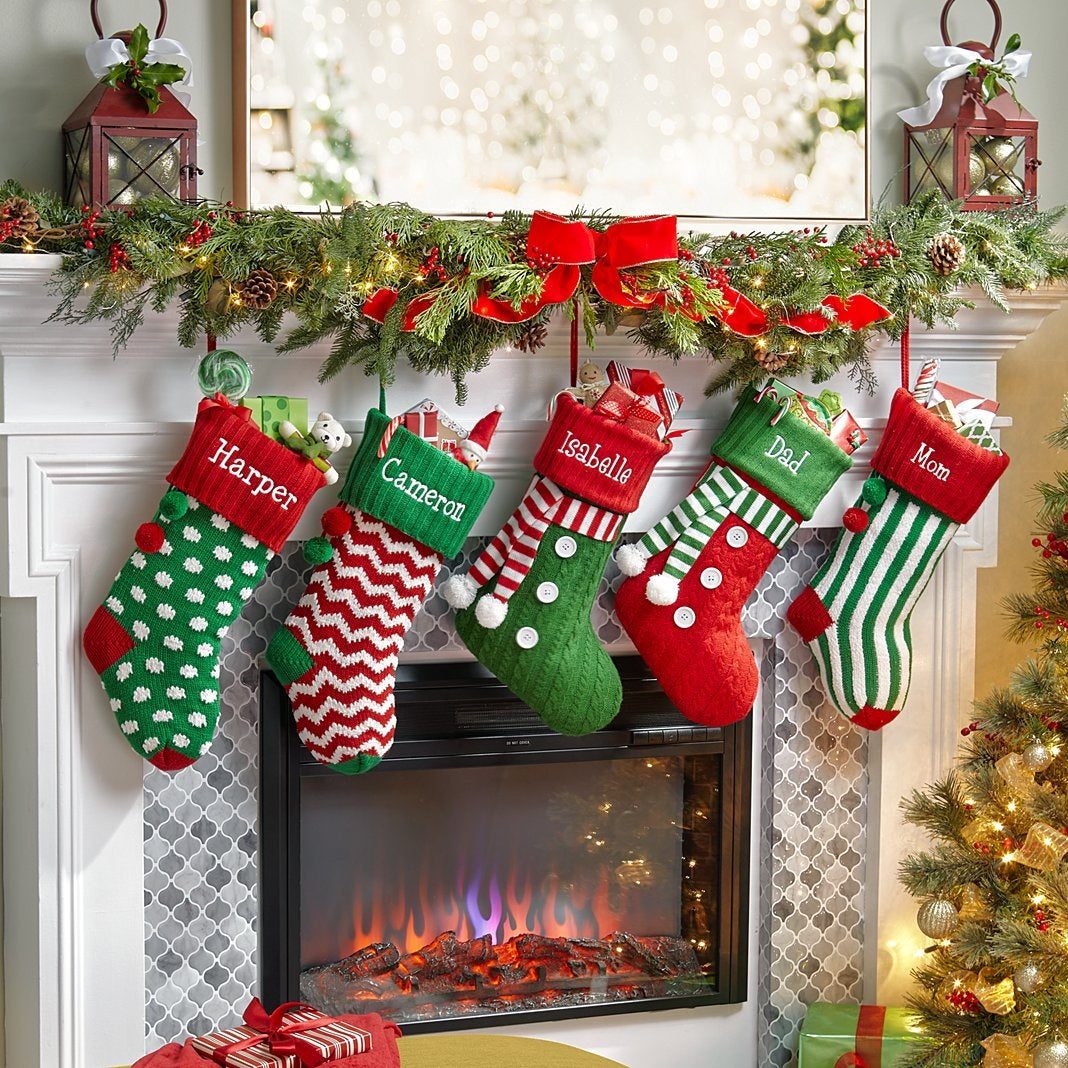
The stocking is my favorite part of Christmas morning, and also the part most likely to go off the rails. It is so easy to fill one with candy and tiny novelties that by New Year's Day the whole thing has become drawer clutter. A few years ago I started treating stockings like tiny gift lists instead of candy tubes: small, useful, a little bit fun, and chosen for the actual child. The stockings got better and, honestly, cheaper.
Here are the ideas that work in our house, organized by age, with the simple rules I follow so a stocking stays a delight instead of a junk drawer starter kit.
Ages 0–2 and 3–5: Small Hands, Simple Joys
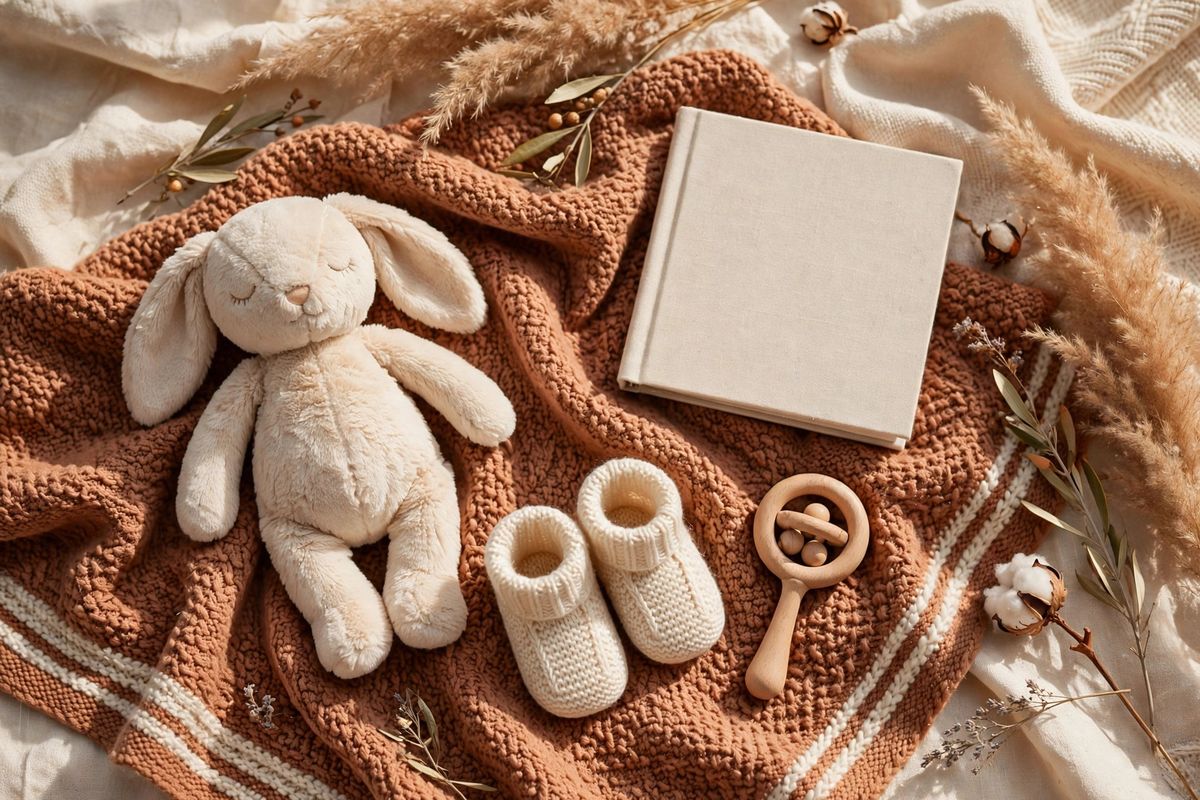
- Ages 0–2: A board book, a soft ball or stacking cup, a new sippy cup, bath crayons or a bath book, a pair of mittens in a fun color, and a fruit pouch or a few yogurt melts instead of candy. A baby's stocking is mostly for the photo and the parents, so keep it light and safe, with nothing small enough to be a choking hazard.
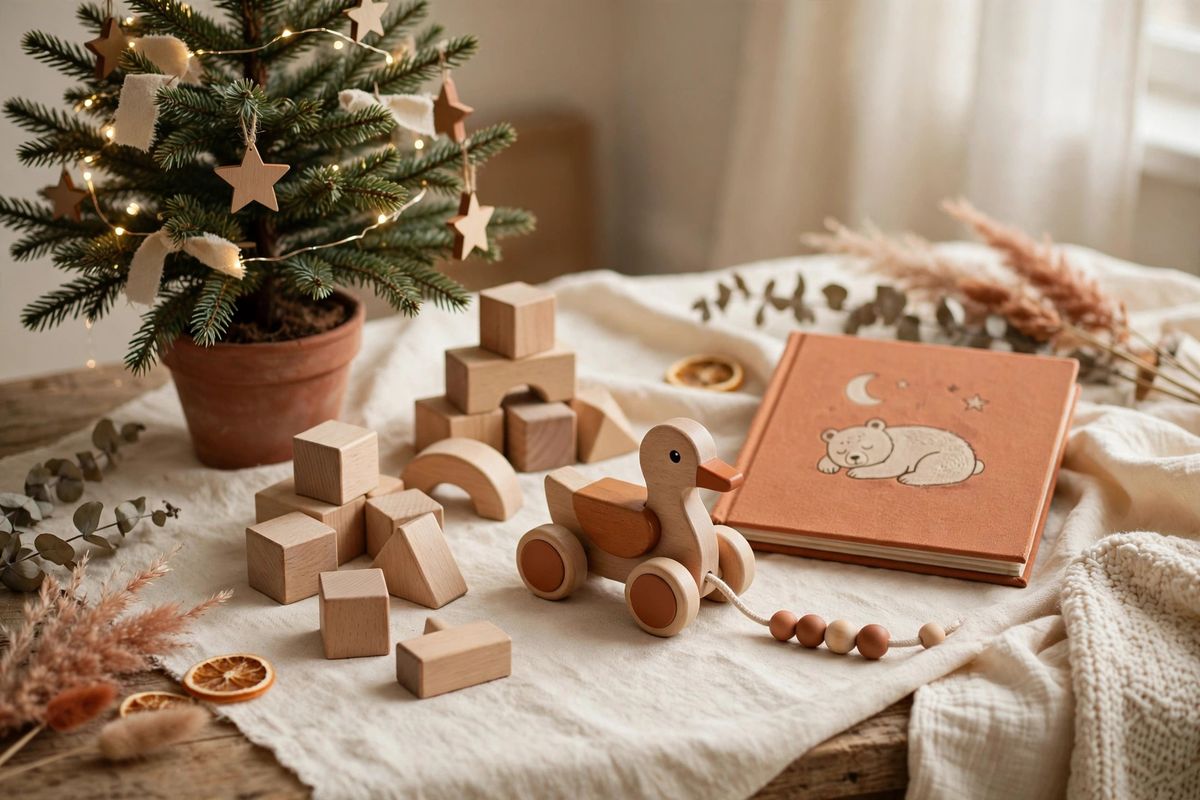
- Ages 3–5: Stickers, a small pack of crayons or a water-wow pad, a character toothbrush, hair clips or fun socks, a small flashlight, and one modest treat like a small chocolate or a candy cane. Preschoolers are thrilled by anything that is theirs alone, so ordinary items in fun versions land like treasures.
For both of these ages, one trick helps: wrap each little item. Unwrapping five small things takes longer and feels like more than one bigger gift, and preschoolers are professional unwrappers who consider it the main event. It also slows down Christmas morning in the best way, which any parent of an excited five-year-old will tell you is a gift in itself.
Ages 6–9 and 10–12: Small but Grown-Up
- Ages 6–9: A card game or a mini puzzle, a fun pen or pencil set, a bookmark, lip balm, a small notebook, a yo-yo or other pocket skill toy, a pack of gum or mints if your family allows, and one small treat. School-age kids love supplies that feel like theirs and things they can trade, show, and use at recess.
- Ages 10–12: Earbuds in a fun color, a phone or tablet accessory if they have a device, a quality lip balm or hand lotion, a gift card for a small amount ($5 to $10) to a favorite store or coffee shop, a deck of cards, a journal or sketch pen, and a favorite candy in a normal size. Tweens read a stocking as a respect signal: items that acknowledge they are growing up mean more than a pile of novelties.
Across all ages, one orange or clementine in the toe is our family's non-negotiable tradition, a nod to the stockings of our own childhoods. It takes up space, it smells like Christmas, and it guarantees at least one thing in the stocking is fresh.
A word about where these things come from: almost none of it is bought in December. The fun toothbrush appears in a back-to-school sale, the card game in a spring clearance bin, the socks in an ordinary grocery run. Stocking stuffers reward the parent who grabs the right small thing when she sees it, which is also why the per-stocking cost stays low: sale prices spread across months instead of full prices in one panicked trip. If you are reading this in mid-December, do not despair. The drugstore-and-bookstore route in the questions below covers a whole stocking in a single afternoon.
A good stocking has one thing to eat, one thing to use, one thing to play with, and one thing they needed anyway, made fun.
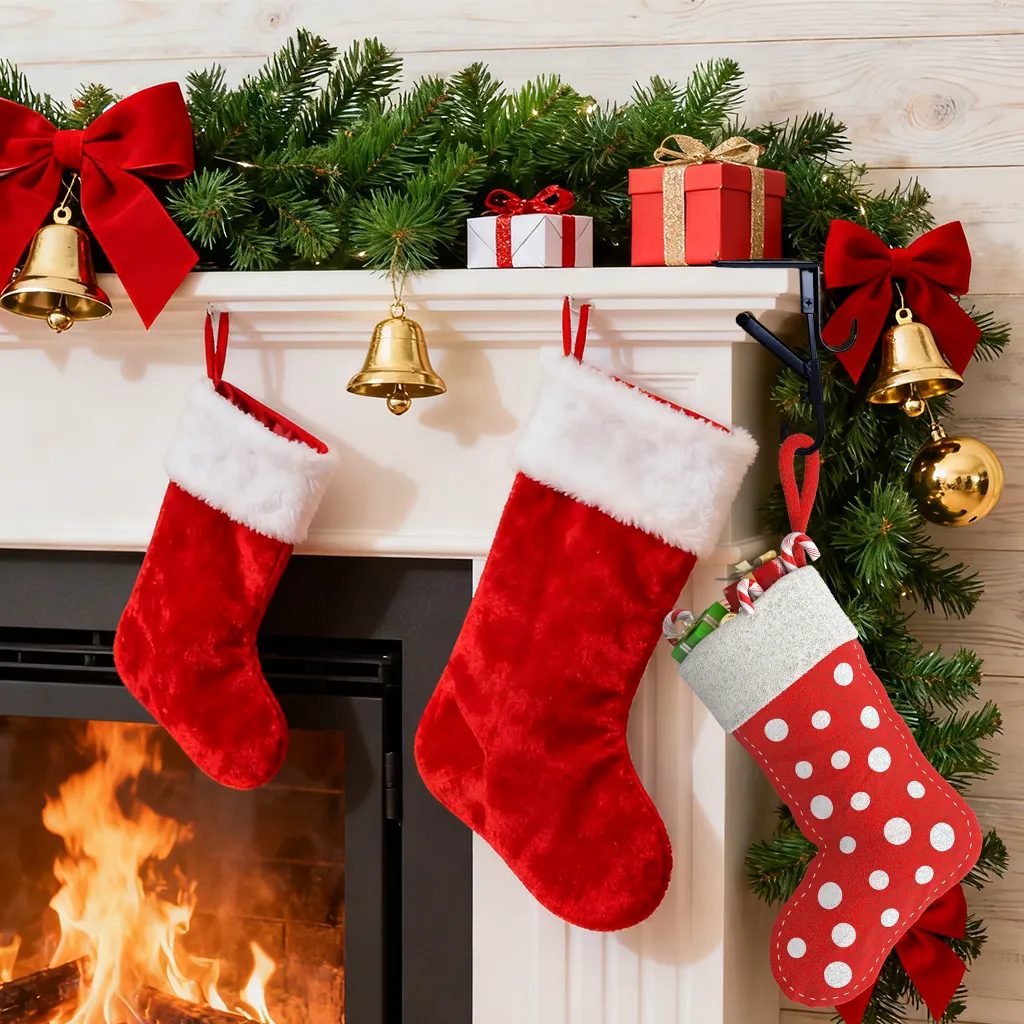
Stocking Rules That Keep It Sane
Stockings quietly become expensive if you fill them in one trip. A stuffed stocking from a store display can run $30 to $50 per child without a single memorable item in it. Our household target is $10 to $20 per stocking, reached by collecting across the fall: the fun toothbrush from a sale, the card game found in October, the socks bought with groceries.
- Shop the useful aisles first: Toothbrushes, hair ties, lip balm, socks, and gloves are stocking gold because they are needed anyway. The fun version costs barely more than the plain one.
- Limit the candy on purpose: One or two treats, chosen well, beat a stocking that is half sugar. Kids savor the favorites; the filler candy is still around in February.
- Skip the novelty trap: If it would break, leak, or be forgotten by lunch, it does not go in. Tiny plastic toys are the confetti of stockings: everywhere, briefly festive, and a pain to clean up.
- Match siblings by count: Same number of items, roughly the same total. Kids count items, not prices, so equal counts keep Christmas morning peaceful.
- Keep a stocking box: A small bin in a closet where stocking finds collect all year. Come December, you are mostly done, and you bought everything on sale without thinking about it.
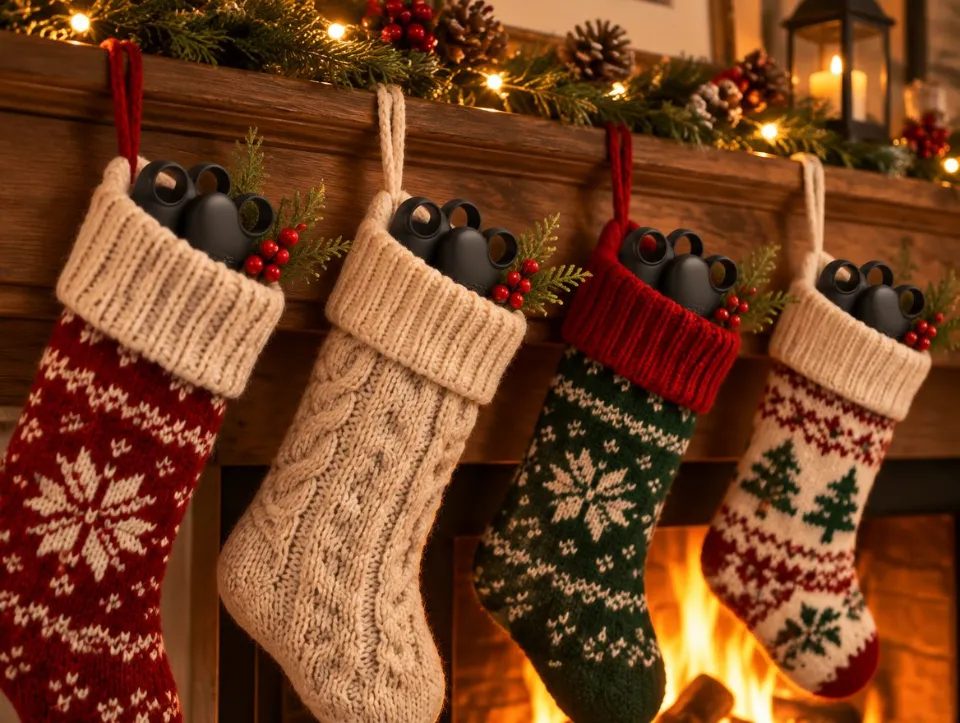
Frequently Asked Questions
How many items should go in a child's stocking?
Five to eight small items fill a standard stocking nicely without overflow or excess. Wrapped individually, that is plenty of unwrapping. If the stocking still looks flat, the traditional orange in the toe and a candy cane hooked over the top finish it.
What is a good stocking stuffer for a child who has everything?
Consumables and upgrades: their favorite snack in a special edition, fresh art supplies, a replacement for something worn out in a fun design, or a small gift card with a planned outing. Things that get used up never add to the clutter problem.
When should I start buying stocking stuffers?
Whenever you see the right small thing at a good price, which is why the stocking box works. If you are starting in December, one trip through a drugstore and a bookstore will cover most ages: toiletries and treats in the first, bookmarks, pens, and card games in the second.