Holiday Gift Guide for Preschoolers (Ages 3–5)
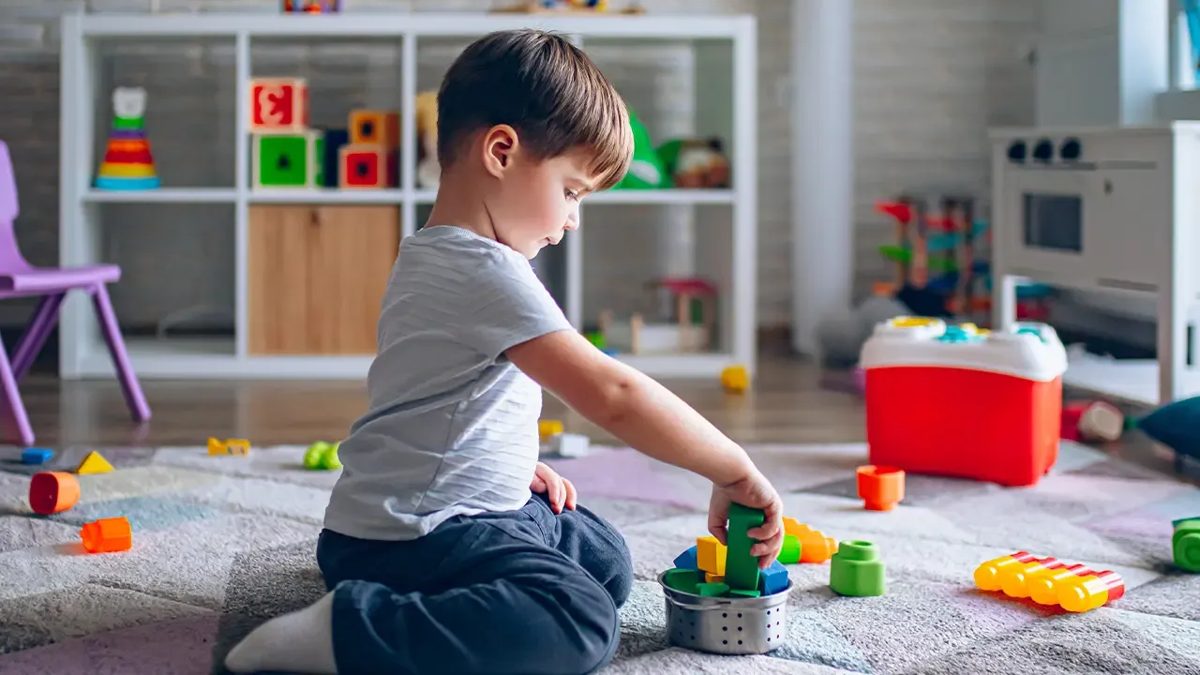
Preschoolers are the most honest gift critics on earth. My son, at four, once opened a carefully chosen present, said a polite thank-you, and then played with the ribbon for forty minutes. My daughter at the same age would have traded every toy she owned for one cardboard box and a roll of tape. Ages three to five are a glorious, unpredictable stage, and the gifts that win are the ones that match how preschoolers actually play: big movements, big imaginations, and everything repeated tomorrow.
This guide groups ideas by the kind of play, with the budget ranges our family actually uses. It also includes the trap I now check first: whether a version of the same toy is already living in your house.
Active Gifts for Winter Energy
A Minnesota preschooler in December has been indoors a lot, and an active gift is a gift to the whole household. Look for things that burn energy in a hallway or basement and store small.
- Balance and ride-on toys: A balance board, a small indoor trampoline with a handle, or a ride-on they can scoot down the hall. About $25 to $50.
- Throwing and catching: Soft foam balls, a Velcro toss-and-catch set, or a lightweight bowling set with pins they can knock down fifty times a day. About $10 to $20.
- Movement games: Simple games that involve hopping, freezing, and following silly instructions get the whole family moving. About $12 to $20.
- Snow play: A sturdy sled, a snowball maker, or their own small shovel for helping. In Minnesota these are not seasonal novelties; they are six months of childhood. About $10 to $25.
Imaginative Play and Dress-Up
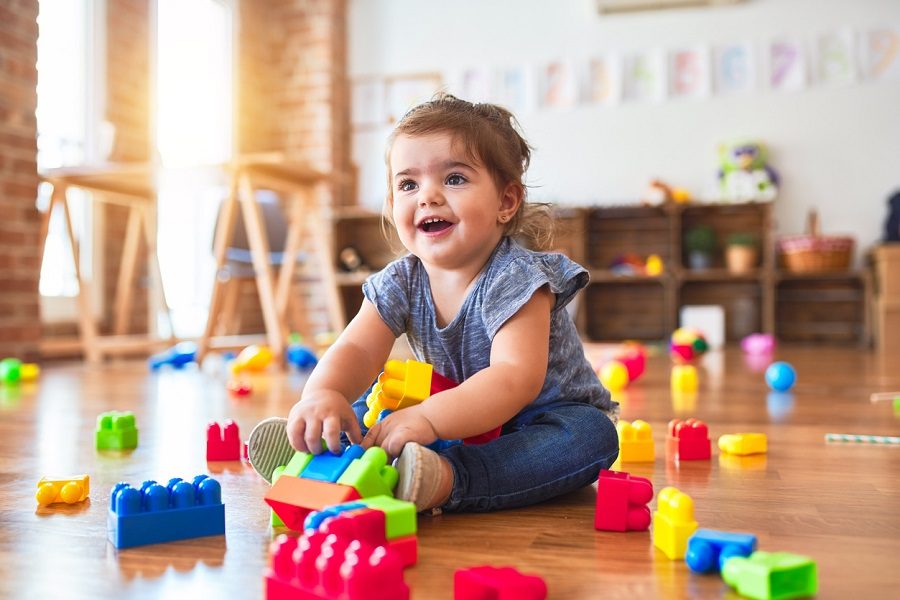
This is the golden age of pretend. A preschooler's job is turning a blanket into a castle and a spoon into a microphone, and gifts that feed that world get used daily. Dress-up pieces top the list: a cape, a firefighter hat, a doctor kit, a set of animal ears. Choose open-ended pieces over a single character costume, because a cape can be a superhero on Monday and a magician on Friday. Most dress-up staples run $10 to $25.
Play food, a small tea set, and a toy cash register support the endless restaurant and store games of this age. Dolls and stuffed animals with simple accessories, like a blanket and bottle, invite nurturing play. And the quiet champion of this category is the play tent or a simple fort kit: a defined little space of their own is preschooler gold, usually $20 to $40.
Watch what your preschooler pretends to be this week. That character, that job, that animal: that is your gift guide, written by the expert.
Books and Creative Gifts
Books are the easiest preschooler gift to get right. A funny read-aloud picture book becomes a nightly request, and a book about their current obsession, dinosaurs, trucks, fairies, the moon, will be carried around like a treasure. One beautiful hardcover runs $10 to $18; a stack of paperbacks can be found for less. Pair a book with one small related item, like a flashlight for fort reading, and you have a complete gift for about $15 to $25.
For creative gifts, think consumable and washable. A fresh set of chunky crayons or washable markers, a watercolor pad, a sticker scene book, or a simple craft kit with everything included runs $8 to $20 and produces a month of projects. Play dough and a few new tools revive interest in dough you already own for under $10. Consumable gifts are also the answer for the child who has everything: they get used up, so they never become clutter.
Budgets and the Duplication Trap
Before you buy anything, do the two-minute check that has saved me the most money: the duplication check. Preschoolers attract multiples. Most homes with a four-year-old already have a tea set, three kinds of blocks, and a herd of toy vehicles. A new version of an owned toy lands flat, no matter how nice it is.
Instead, buy the missing piece: the train track expansion for the set they have, the second cape so a friend can play too, the storage bin that makes the blocks usable again. The add-on gifts that have worked best for us:
- Expansion pieces: Extra tracks, blocks, or figures for a set they already love and use.
- The partner piece: A second cape, a matching doll blanket, the friend-sized version of a favorite toy.
- Refills: Fresh play dough, new watercolor pans, or replacement pieces for a beloved game.
- The organizer: A bin, shelf, or caddy that makes an existing toy easy to reach and easy to put away.
Our family's rough budget for a preschooler's main gift is $20 to $40, with $10 to $20 for a smaller second gift, and that comfortably covers everything in this guide. Grandparents asking for ideas can be pointed at the bigger active gifts or at experiences, like a children's museum pass, which in our area runs about $100 to $150 for a family and gives a full year of winter Saturdays.
Frequently Asked Questions
What is the best all-around gift for a preschooler I do not know well?
A picture book plus a small consumable, like a sticker book or a set of bath crayons, is the safest combination. It suits almost every three- to five-year-old, costs $12 to $20, and never duplicates the big toy another relative already bought.
How do I avoid buying a duplicate of a toy they already own?
Ask the parents one direct question: what do they play with most, and what are they missing? Parents always know. If asking is not possible, choose consumables, books, or add-ons rather than headline toys, since headline toys are the ones most likely already in the house.
Are learning toys worth it at this age?
Preschoolers learn through play, so the best learning gifts do not look like lessons. Puzzles build problem-solving, dress-up builds language and empathy, and blocks build early math. Choose the toy that is genuinely fun, and the learning rides along for free.