Couponing 101: Getting Started Without the Extreme Hauls

The first time I watched one of those extreme couponing shows, a woman bought a cart of mustard big enough to fill a garage and paid eleven cents. I looked at my own grocery receipt from a Rochester Cub Foods, sighed, and figured couponing was a sport for other people. Three kids later, here is what I know: the television version is mostly theater, but the everyday version is real, and much calmer. Regular moms using digital coupons and cashback apps routinely save twenty to forty percent on the household basics their families use every week. No garage of mustard required.
This is the honest starter version. You will begin with one store, one phone, and about fifteen minutes a week. If a deal ever asks you to buy something your family will not use, clear a shelf for it, or feel stressed at the register, it is not a deal for you. Let it go. Another one comes around in a few weeks, because sales run in cycles.
Forget the Stockpile Room: What Modern Couponing Actually Looks Like
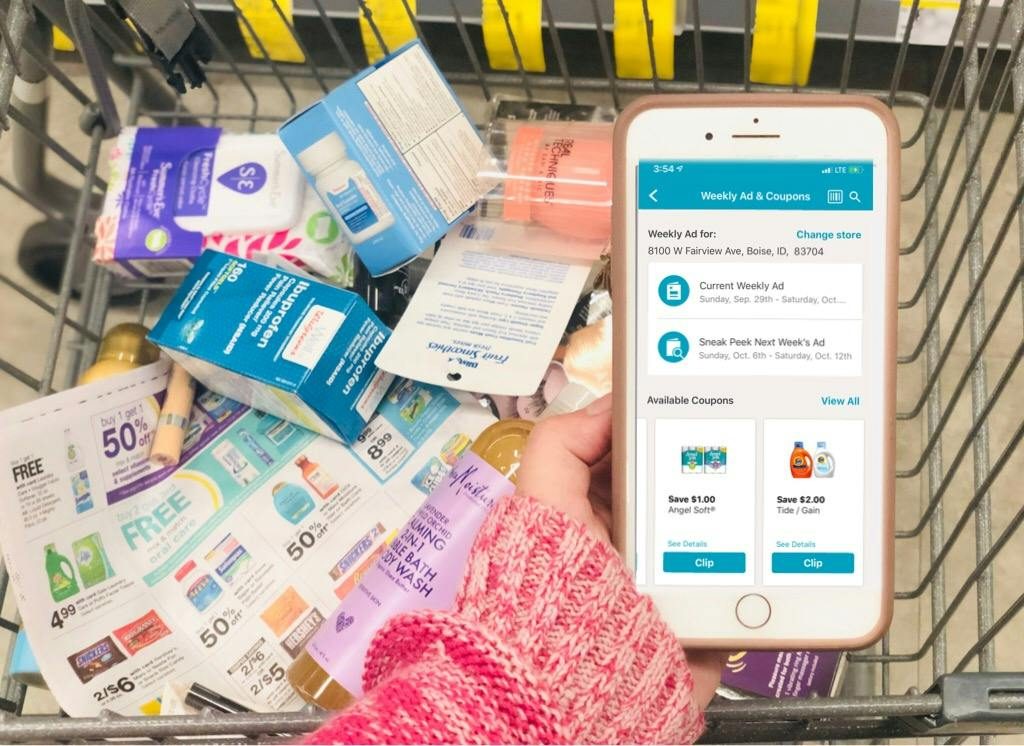
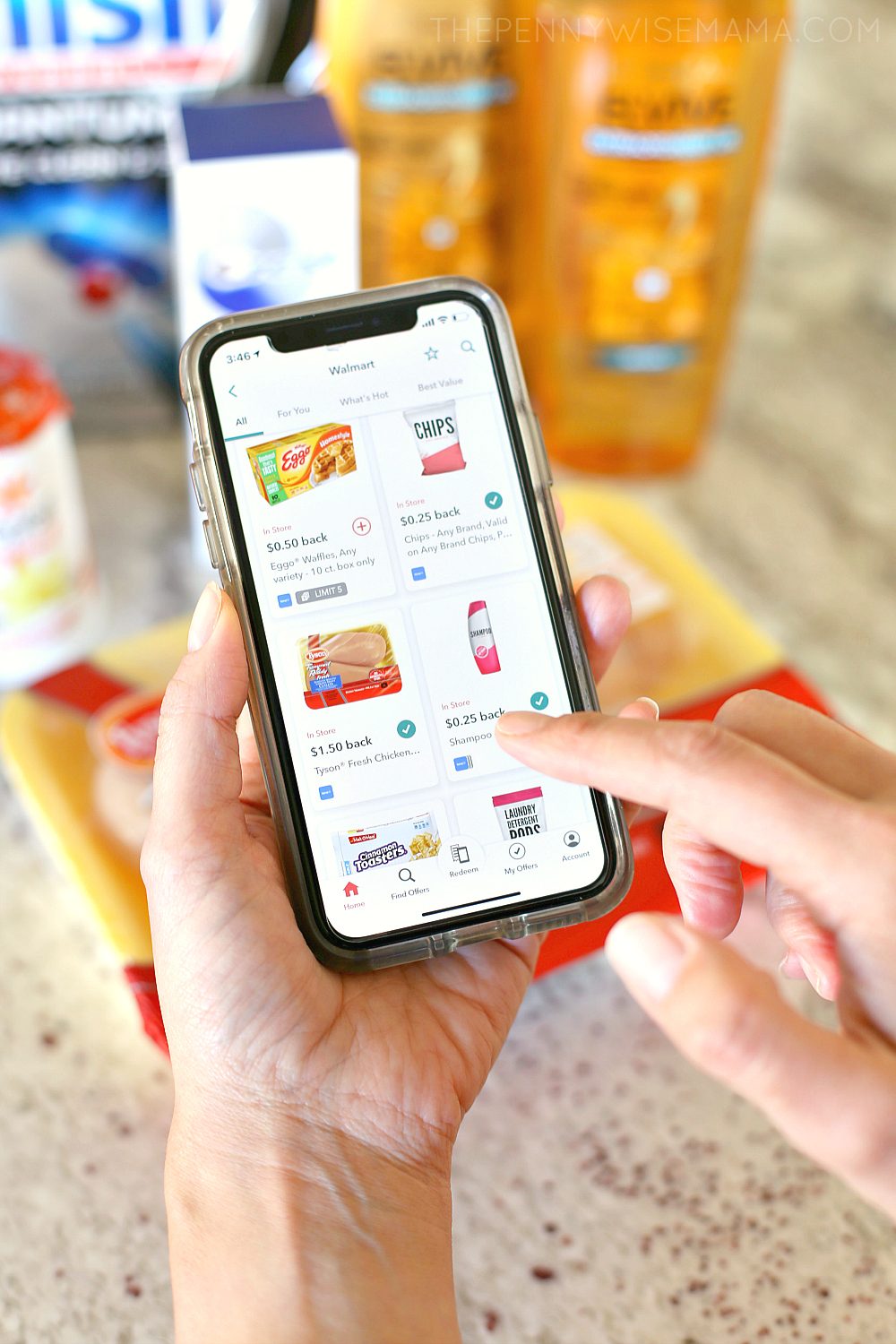
The binder-and-newspaper era is mostly gone. Today the savings live inside store apps, where digital coupons clip with one tap, and inside cashback apps, where you photograph a receipt after shopping and get a few dollars back on things you already bought. The goal is not a stockpile room. The goal is a modest pantry shelf where toothpaste, detergent, shampoo, and diapers wait because you bought them on a good week instead of a desperate one.
Beginners often save around ten to twenty percent in the first month just by clipping digital coupons and shopping the front page of the weekly ad. As stacking becomes a habit, drugstore and household basics can get much cheaper, sometimes half price or better, while regular groceries usually land in that twenty to forty percent range. Anyone promising ninety percent off every cart is selling entertainment, not a system.
Your Starter Toolkit: One Phone, a Few Apps
You need less than you think. Everything below is free, and you can set it up during one naptime.
- Your main store's app. Pick the store you already shop most and download its app first; digital coupons and loyalty pricing live there.
- One or two cashback apps. Apps like Ibotta and Fetch Rewards pay small rebates on everyday brands. Start with one so you are not scanning receipts into five places.
- A loyalty account at your drugstore. Walgreens and CVS run the most generous beginner-friendly rewards, and their deals repeat like clockwork.
- A notes app or small notebook. Keep a running list of your family's "buy prices," the prices that make you say yes without thinking.
- A junk email address. Brand newsletters send good coupons, and a separate inbox keeps your real email sane.
That is the whole toolkit. Notice what is missing: a printer, a binder, a subscription to anything, and a second freezer. You can add tools later, but none are required to start.
Pick One Store and Learn Its Rhythm
Beginners who try to work every store burn out by week three. Choose one, and since we are in Minnesota, I will gently campaign for Target. Target is headquartered in Minneapolis, the stores are everywhere here, and its Target Circle program in the app is a genuinely gentle place to learn: digital offers clip in the app, apply automatically at checkout, with no complicated rewards currency to track. Grocery shoppers might pick their supermarket instead; either is fine. Loyalty to one store for your first month beats a scattered tour of five.
Every store runs on a rhythm. Weekly ads start on a set day, promotions rotate every few weeks, and the same household staples go on sale again and again. After a month of watching one store, you will start predicting its sales the way we predict the first frost. That familiarity, not any single coupon, is the real skill.
Couponing works when it shrinks your effort over time. If your system takes more time than the money it saves is worth to you, shrink the system, not your standards.

A Simple First Month, Week by Week
- Week one: Download your store's app, create the free loyalty account, and just clip every digital coupon for brands you already buy. Shop your normal list and watch what comes off at the register.
- Week two: Before shopping, spend ten minutes in the app looking for one featured deal on something your household uses weekly. Build nothing around it; just add that one deal to your normal trip.
- Week three: Try your first small stack: a sale price plus a digital coupon on the same item. Then submit the receipt to your cashback app and see if a rebate matches.
- Week four: Start your buy-price list. Write down what you paid for your ten most-used items and the cheapest price you have seen. From now on, that list makes your decisions for you.
Notice how small each step is. That is deliberate. A routine you can keep during a week of sick kids and a snow day is worth ten perfect systems abandoned by February.
The Guardrails That Keep It Fun
- Only buy what your family already uses. A coupon is a discount on spending, not a reason to spend. Cheap things you throw away are the most expensive things in the cart.
- Set a small stock-up limit. For most families, two to four extra of a staple is plenty. When in doubt, remember the sale returns in six to eight weeks.
- Watch expiration dates. Digital coupons and earned rewards expire. Glance at your app before each trip and use the oldest rewards first.
- Be lovely to cashiers. If a coupon does not apply, smile, set the item aside if you do not want it at full price, and move on. Kindness keeps the hobby pleasant.
Your savings do not need to impress anyone. Twenty dollars a week is over a thousand dollars a year: a car repair, a weekend at the lake, or a much calmer December. Small, steady, boring wins are the whole point.
Frequently Asked Questions
Do I need paper coupons at all anymore?
No. Paper coupons still exist in Sunday inserts and printable form, and they stack nicely when you have them. But digital coupons, store loyalty programs, and cashback apps now carry the large majority of the savings, and plenty of Minnesota moms coupon entirely from their phones.
How much can a beginner realistically save?
Most beginners save ten to twenty percent in the first month with almost no effort beyond clipping digital coupons. On drugstore household basics, stacking can push individual items to half price or better. Treat anyone's biggest haul as entertainment and your own steady discount as the real result.
How much time does this take each week?
About fifteen minutes once your apps are set up: a quick scan of the weekly ad, clipping the coupons you will actually use, and checking which rewards are about to expire. If it starts taking longer, cut stores, not corners. One store, done consistently, beats five stores done resentfully.