Nursery Must-Haves vs Nice-to-Haves: Where to Spend and Save
Planning a nursery is one of the sweetest parts of waiting for a baby, and also one of the easiest places to overspend. The photos online show rooms that look like magazine spreads, complete with items your baby will outgrow before the paint smell fades. I have decorated nurseries on a real-life budget in a Minnesota winter, moving furniture while very pregnant, and the lesson every time is the same: a nursery needs to work hard at 2 a.m., not just photograph well at noon.
Here is how I sort the list now: true must-haves that earn real money, and nice-to-haves that can wait until you know your baby, your space, and your actual routines.
Worth the Money: The Sleep Setup
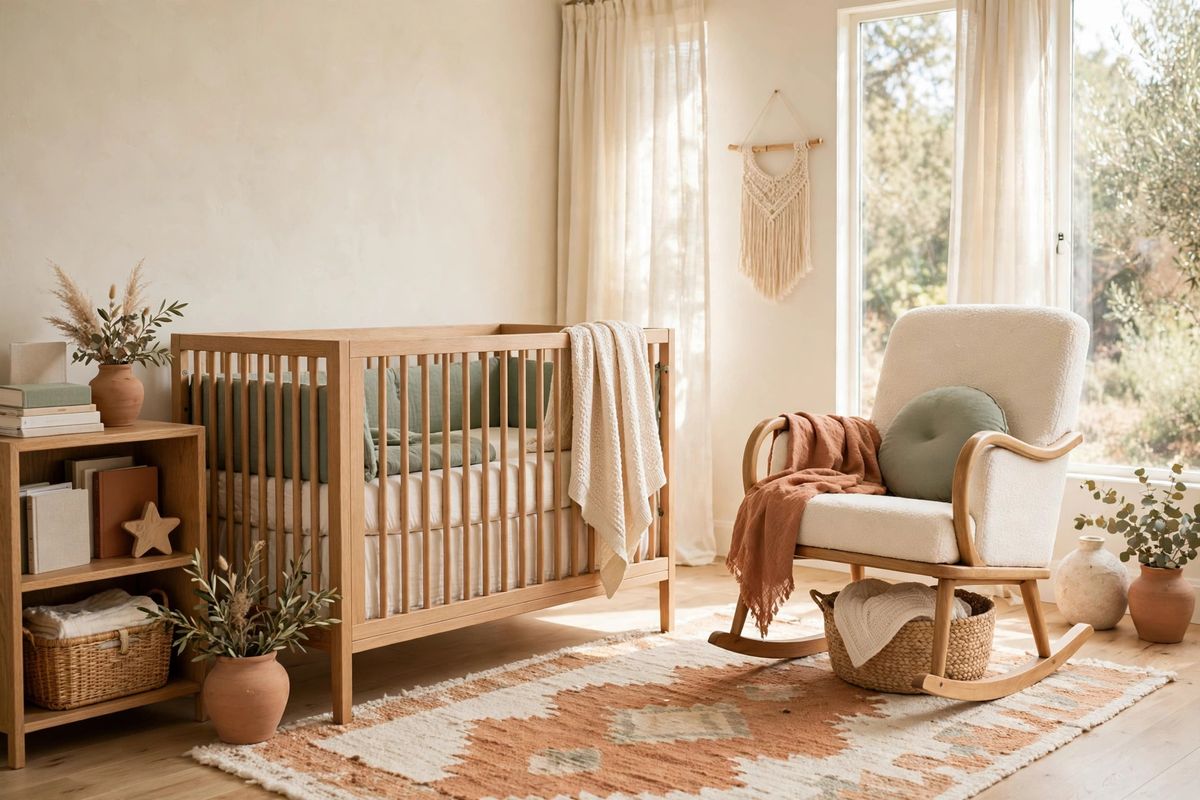
Your baby will spend most of the day asleep, at least in theory, so the sleep setup is where your budget does its best work. A sturdy crib that meets current safety standards, with a firm, well-fitting mattress, is the single most important purchase in the room. If you plan for the crib to convert to a toddler bed later, that is real value over years, not a gimmick.
Blackout curtains are my second spend-worthy item, and nobody believes me until their first summer with a baby who thinks 5 a.m. sunshine means party time. In northern states especially, where summer evenings stay bright for hours, good blackout shades protect naps and bedtimes alike. Add two or three fitted sheets in a breathable fabric, because laundry waits for no one, and a simple waterproof mattress protector underneath for the inevitable middle-of-the-night incidents.
- A sturdy crib meeting current safety standards, ideally convertible
- A firm mattress that fits the crib snugly with no gaps
- Blackout curtains or shades that truly block light
- Two or three fitted sheets plus a waterproof mattress protector
- A dim, warm nightlight for nighttime feeding and changes
Worth the Money: Feeding and Changing Comfort
You will feed your baby in this room hundreds of times, often half asleep, so a comfortable chair with supportive arms and a small side table is a must-have in disguise. It does not need to be a nursery-specific glider bought at a premium; it needs to be comfortable for you at your tiredest, with room for a water bottle and your phone within reach.
For changing, skip the dedicated changing table furniture and put a changing pad on top of a sturdy dresser. You get storage now and a regular dresser forever. Stock the top drawer with diapers, wipes, and cream so everything is one-handed reachable, and keep a small laundry basket within tossing distance.
Nice-to-Haves That Can Honestly Wait
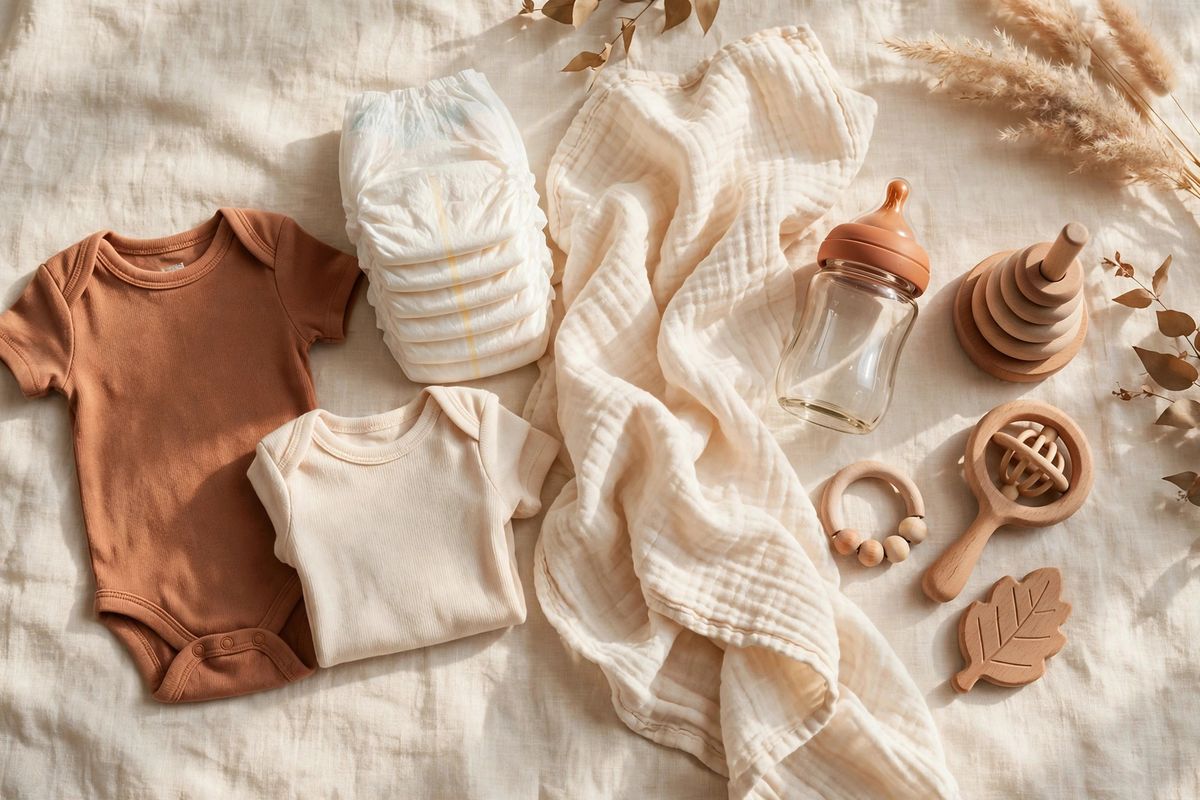
Plenty of beloved nursery items are genuinely lovely, just not urgent, and some babies never take to them at all. A baby swing or bouncer is wonderful for some babies and ignored by others, so borrowing one first is the smart money move. Decorative items like elaborate mobiles, themed wall art, and matching everything can come later, chosen slowly, and often received happily as gifts.
- A swing or bouncer: borrow first, buy only if your baby loves it
- A video monitor: an audio monitor covers many homes perfectly well
- A dedicated changing table: a dresser top does the same job longer
- Heaps of newborn-sized decor and bedding extras: babies use far less than catalogs suggest
- A diaper disposal system with specialty refills: a lidded trash can often serves just as well
- Toy storage systems: essential eventually, pointless before the toys arrive
A Realistic Order for Buying
Spread the spending in the order your baby will actually use things. Before the birth: the crib and mattress, blackout curtains, a basic changing setup, and the chair. In the first month: adjust lighting, storage, and sound (a simple white noise machine earns its place here for many families) based on real life, not guesses. After that, add the nice-to-haves one at a time, as your baby's personality files its requests.
The nurseries that work best were not finished before the baby came. They were finished by the baby, one real need at a time.
A word about secondhand shopping, because it stretches a nursery budget beautifully when you aim it at the right things. Decor, storage bins, a sturdy dresser, curtains, and even the feeding chair are all excellent secondhand finds. The sleep setup is the exception: buy the crib and mattress new, or accept them only from someone you trust who can confirm the crib meets current standards and has all its hardware. Saving money matters, and so does knowing exactly where your baby sleeps.
One last encouragement: your baby will not remember the nursery. Your baby will remember being fed, held, and sung to in a room that felt calm to you. Spend where your comfort and the baby's sleep are concerned, save where the catalog is just being charming, and let the room grow with your family.
Frequently Asked Questions
What is the single most important nursery purchase?
The sleep setup: a safe crib and a firm, well-fitting mattress. Everything else in the room is flexible, but your baby spends the most time sleeping, so that foundation deserves the biggest share of the budget.
Do I need a separate changing table?
No. A changing pad secured on a sturdy dresser gives you the same safe changing height, adds storage, and remains useful furniture long after diapers are done. Most families find it the better value.
When should the nursery be ready?
Aim to have the basics in place a few weeks before your due date: crib assembled, curtains hung, changing supplies stocked. Decor and extras can safely wait until after the baby arrives and you know what you actually need.