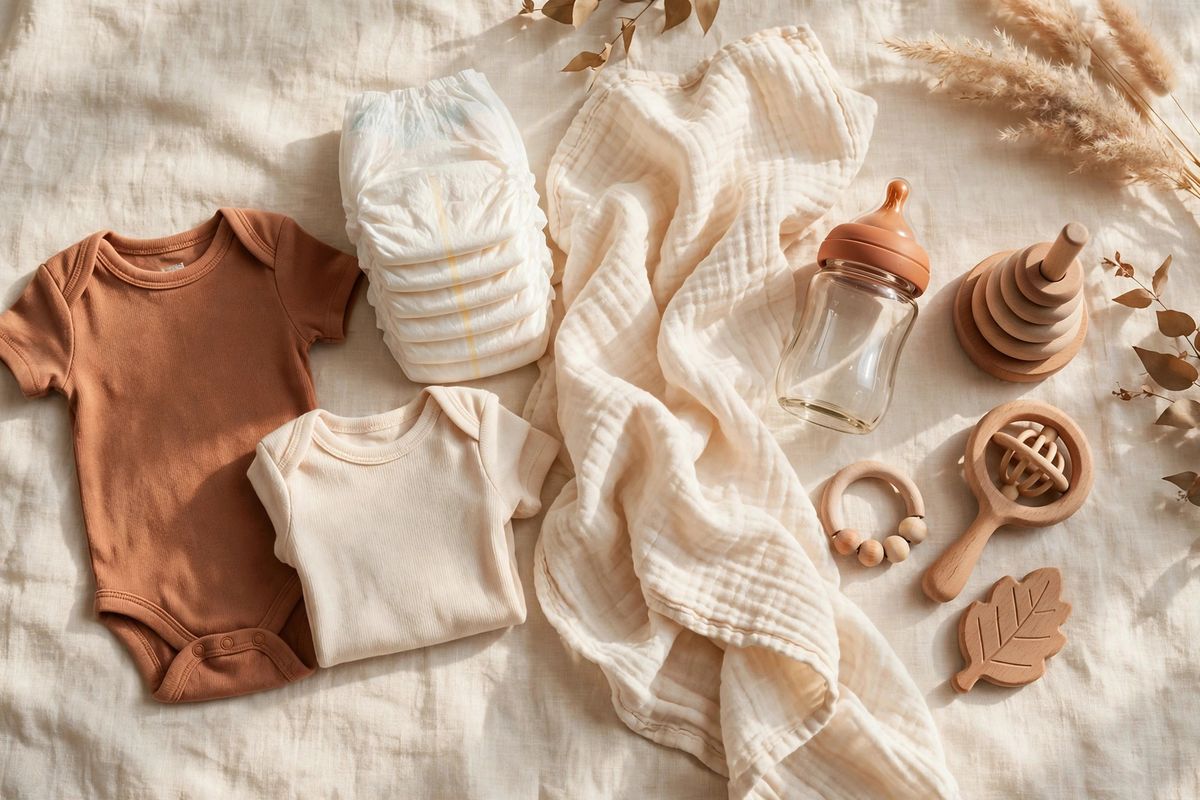
The Complete Diapering Guide: Cloth, Disposable, and Everything Between
Few parenting topics sound simpler than diapers, and few generate more questions once a real baby arrives. Cloth or disposable? How many do you actually need? What about overnight, daycare, and the diaper bag? The truth is that there is no single right answer, only the system that fits your baby, your laundry setup, and your tolerance for extra chores. This guide walks through every option honestly, with the real-life details most product pages leave out, so you can build a diapering routine that works on your busiest week, not just your best one.
Disposable Diapers: The Convenience Standard
Disposables are popular for good reasons. They are fast, widely available, and accepted everywhere from daycare centers to grandparents' houses. Modern disposables are absorbent enough to handle long stretches, and most have helpful touches like a wetness indicator line on smaller sizes. The trade-offs are ongoing cost, a steady stream of trash, and the occasional brand that simply does not fit your baby's shape, which you will discover through leaks rather than labels.
A few practical tips make disposables easier:
- Buy small packs when trying a new brand; fit matters more than features.
- Size up when you see frequent blowouts up the back or red marks at the legs.
- Keep one full spare outfit in the diaper bag for the leak that eventually happens.
- Store a small stash in the car so a forgotten bag never ruins an outing.
- Watch store-brand options; many families find they perform as well as name brands.
Cloth Diapers: The Modern Version
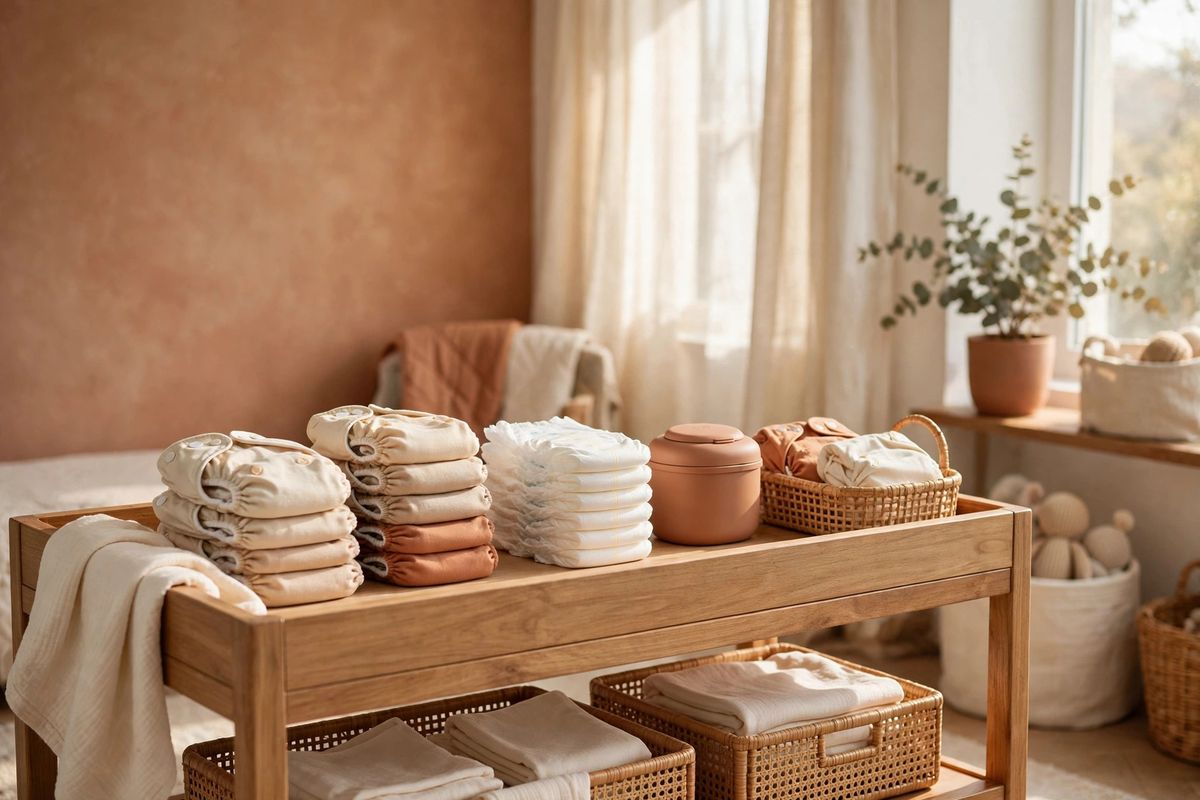
Today's cloth diapers are not the pins-and-plastic-pants setup many grandparents remember. Most use snaps or hook-and-loop closures, waterproof covers, and absorbent inserts, and they come in styles ranging from simple prefolds with covers to all-in-ones that go on almost like a disposable. Families choose cloth for different reasons: lower long-term cost, less trash, early interest in potty learning, or a baby whose skin seems happier in natural fibers.
The honest trade-off is laundry. Cloth means an extra two or three loads a week and a simple wash routine. A typical rhythm looks like this:
- Knock solids into the toilet and store used diapers in a dry pail or wet bag.
- Every two to three days, run a quick rinse or prewash cycle.
- Follow with a hot, heavy-duty main wash and an extra rinse.
- Dry covers on a line when you can, and tumble dry inserts to keep them soft.
Most families find the routine becomes automatic within a few weeks, much like running the dishwasher. What trips people up is starting with too small a stash, which forces constant washing. A comfortable rotation is roughly two dozen diapers for a newborn washed every other day.
Two situations deserve a plan of their own. Overnight, most babies do best in the most absorbent setup you own: a sized-up disposable, a cloth diaper with an extra insert, or a dedicated overnight style, because nobody wants a 2 a.m. sheet change. For travel, think in terms of the worst case rather than the schedule. Pack twice the diapers you expect to use, a full change of clothes for the baby, and a spare shirt for yourself, because the one blowout of the month will choose the airplane. A small wet bag keeps the mess contained until you reach a trash can or a washing machine, and it weighs almost nothing in the diaper bag.
Hybrids and Everything Between
Between the two main camps sits a flexible middle ground. Hybrid diapers pair a reusable waterproof cover with a disposable insert, cutting laundry while reducing trash. Some families use cloth at home and disposables for daycare, travel, and overnight, when maximum absorbency matters most. Others begin with a newborn rental or a small trial set before committing to a full stash. Swim diapers, training pants for toddlers, and overnight boosters round out the picture. Mixing systems is not indecision; it is often the most practical answer for real schedules.
Building Your System by Lifestyle
Start with your constraints, not your ideals. Ask yourself a few honest questions:
- Do you have in-home laundry, or does every load mean a trip and coins?
- Will your daycare use cloth, disposables, or either?
- How much storage space can you give to a stash or to bulk boxes?
- Is your main goal saving money, reducing waste, simplicity, or some blend?
- Who else will change this baby, and what will they realistically use?
If laundry is easy and budget matters most, cloth rewards you quickly. If you are heading back to work with a packed schedule, disposables or a hybrid mix may protect your sanity, which is worth a great deal in the baby year. Either way, keep a small pack of the other type on hand. Stomach bugs, travel days, and laundry emergencies do not check your philosophy first.
Frequently Asked Questions
How many diapers does a newborn use each day?
Expect roughly ten to twelve changes a day in the first weeks, settling toward eight as babies grow. That pace is why newborn stashes and bulk boxes disappear faster than most parents expect.
Is cloth really cheaper than disposables?
For most families, yes over the full diapering period, especially when the same stash is used for a second child. The savings shrink if you choose premium all-in-one styles or pay for a diaper service, so run your own numbers with your laundry costs included.
What do I do about diaper rash?
Frequent changes, gentle cleaning, and some bare-bottom air time help most everyday redness. A plain barrier cream at changes is a common routine. If a rash looks angry, spreads, or does not improve in a few days, check in with your pediatrician rather than experimenting.