How to Choose a Convertible Car Seat: A Mom's No-Nonsense Guide
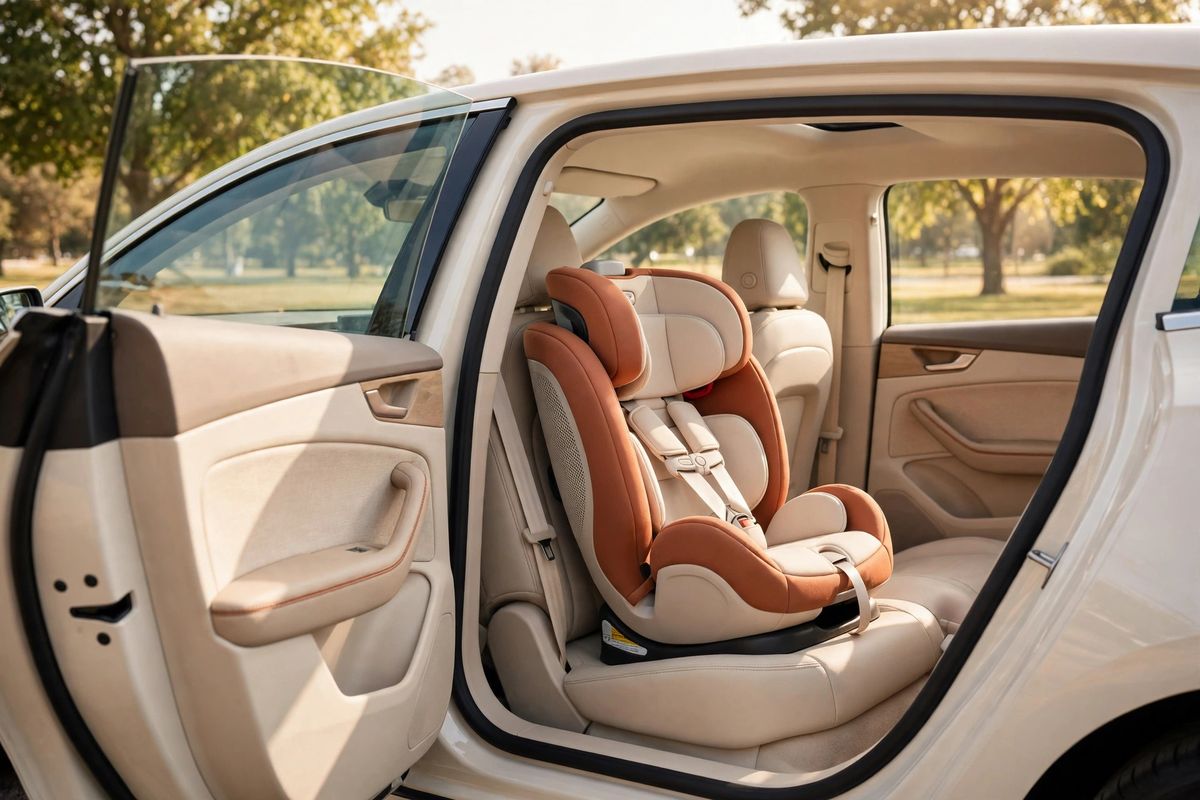
Few purchases make a new parent sweat like the car seat. It is expensive, it comes with a manual thick enough to prop open a door, and every option online seems to be both the safest ever made and somehow also wrong for your car. I have installed car seats in Minnesota winters with numb fingers, moved them between vehicles, and cleaned things out of them that I will not describe here. So let me cut through the noise the way I wish someone had for me.
A convertible car seat is the one that starts rear-facing for babies and later turns forward-facing for toddlers and preschoolers. Choosing well is less about finding a perfect seat and more about finding the right match for your child, your vehicle, and your patience.
Understand the Limits Before You Fall in Love With a Seat
Every convertible seat has height and weight limits for each direction, and those numbers matter more than the color or the cup holders. Look first at the rear-facing limits, because children ride rear-facing for years, and a seat with generous rear-facing height and weight room will last longer before your child outgrows it. Tall parents, take note: kids often take after you.
Check two sets of numbers, the rear-facing maximums and the forward-facing maximums, and remember that a child can outgrow a seat by height before weight. The tallest setting of the harness and the top of your child's head relative to the shell are what count, and the manual spells out exactly how to judge that for your seat.
- Rear-facing weight and height limits, the higher the longer it lasts
- Forward-facing limits that realistically fit your child until booster age
- The overall seat height, especially if your car is small
- An expiration date printed on the seat, usually many years out
- A harness you can adjust without rethreading straps
Fit Your Car, Not Just the Showroom
A car seat lives in your vehicle, so measure your back seat life honestly. Two adults up front with long legs need a seat that does not demand a huge footprint when rear-facing. If grandparents or a second car will regularly carry your child, consider how heavy the seat is and how miserable it is to move, because a seat that takes forty minutes to reinstall will eventually be installed in a hurry, and that helps no one.
Before you buy, check whether the retailer allows a test fit in your car, and think about other passengers. Three children across, a tall driver, a small sedan: these details change which seat is "best" more than any award badge on the box.
Installation Is Where Safety Actually Happens
The best seat in the world only protects your child when it is installed and used correctly every single ride. So favor a seat whose installation makes sense to you. Features like built-in lock-offs for the seat belt, clear bubble or line indicators for the recline angle, and smooth belt paths exist to remove guesswork, and they are worth real money in my book.
You will typically choose between installing with the vehicle seat belt or the lower anchors, and most families end up using the seat belt at some point because anchors have their own weight limits. Read both manuals, the seat's and your car's, and know that many communities offer free car seat checks with certified technicians. Having an expert watch you install it once is confidence you carry for years.
Before the first ride, run through this quick installation check:
- The seat moves less than about an inch side to side when tugged at the belt path
- The recline indicator sits in the correct range for rear-facing
- The seat belt is locked, or the built-in lock-off is properly engaged
- Nothing bulky is wedged under or behind the seat unless the manual allows it
- The manual itself lives in the seat's storage spot or your glove box
When I finally had a technician check my install, she tightened two things, moved one strap, and handed me back a completely different level of peace of mind.
Everyday Features You Will Thank Yourself For
Some features sound like marketing until you live with the seat daily. A cover that comes off and goes in the wash will matter the first time a stomach bug meets a road trip. Harness straps that stay open or have little pockets to hold them aside make buckling a squirming toddler noticeably less of a wrestling match. A smooth harness adjuster you can pull with one hand gets used twice a day, every day.
Also think about climate and comfort. Breathable fabrics help in summer, an infant insert that removes easily helps in the early months, and a seat your child finds comfortable is a seat your child tolerates on long drives to grandma's house.
Common Mistakes Worth Avoiding
The most common errors are small and fixable. Chest clips belong at armpit level, harness straps should pass the pinch test at the shoulder (if you can pinch a fold of strap, tighten more), and bulky winter coats do not belong between your child and the harness, because the straps cannot get snug over all that padding. Dress your child in thinner layers and put the coat or a blanket over the buckled harness instead.
Finally, register your seat with the manufacturer using the card or website provided, so you can be contacted about recalls, and never buy a used seat whose history you cannot verify. You cannot see crash damage, and expired plastic is not a bargain, it is a risk.
Frequently Asked Questions
When should my child turn forward-facing?
Keep your child rear-facing until they reach the seat's rear-facing height or weight limit, whichever comes first. Current guidance from pediatric and safety organizations encourages riding rear-facing as long as possible within those limits, and your state law sets a minimum you must follow.
Is a more expensive seat a safer seat?
Not necessarily. All seats sold in the United States must pass the same federal safety standards. Higher prices usually buy easier installation, better fabrics, and longer-lasting limits, which are real benefits, but a correctly installed modest seat beats a fancy one installed loosely.
Can I use a convertible seat for my newborn?
Many families do, since most convertibles fit small babies with their infant inserts. Just confirm the seat's minimum weight and fit for a newborn in the manual, and be aware you give up the convenience of a carrier that clicks in and out of the car.